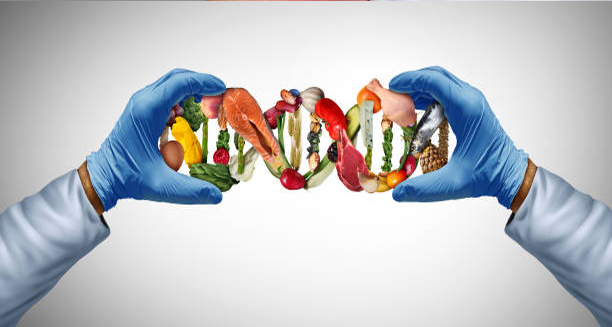
Treatment of Food Intolerance
Treatment of Food Intolerance The treatment of food intolerance focuses on symptom management through dietary changes. Unlike food allergic reactions, which require complete avoidance of the allergen, food intolerance may allow for small or occasional consumption of the trigger food, depending on individual sensitivity. Avoiding or Reducing Trigger Foods Identify the problematic food, then take appropriate steps: Avoid or limit intake based on tolerance threshold Choose low-lactose, low-fructose, or additive-free alternatives Prepare more meals at home to control ingredients and reduce exposure Use food apps or online databases to identify safe products For example, those with lactose intolerance may tolerate hard cheeses or lactose-free milk, while individuals with sulphite sensitivity should avoid processed meats and wine. Dietary Planning and Substitutions A registered dietitian can help: Identify safe food substitutes to maintain a balanced diet Ensure you don’t miss out on essential nutrients (e.g., calcium, fibre, B-vitamins) Introduce elimination diets safely without excessive restriction Plan FODMAP-friendly meals if following a low-FODMAP approach for IBS-like symptoms The goal is to support digestive health without unnecessary food anxiety or nutritional compromise. Enzyme Supplements Manage some intolerances with Lactase tablets to help digest lactose Alpha-galactosidase enzymes for legumes and cruciferous vegetables Take these supplements with meals to reduce symptoms when avoiding the food entirely isn’t practical You can buy them over the counter, but use them only under medical advice. Symptom Relief To manage discomfort: Use antispasmodics for cramps or bloating (under a doctor’s guidance) Peppermint oil capsules may relieve digestive discomfort in some individuals Probiotics might improve gut health over time, although results vary These remedies are supportive but do not replace dietary changes. Gradual Reintroduction Some people can reintroduce small portions of the trigger food after a period of avoidance: This should be done slowly and methodically Tolerance levels differ—while one person may tolerate a slice of bread, another may react to a few crumbs Monitor symptoms carefully and keep your healthcare provider informed Treatment of Food Intolerance The treatment of food intolerance is personalised and adaptable. With professional guidance and a clear understanding of trigger foods, most people can manage symptoms and maintain a full, satisfying diet. [Next: Complications of Food Intolerance →]