Symptoms of Fetal Alcohol Spectrum Disorder
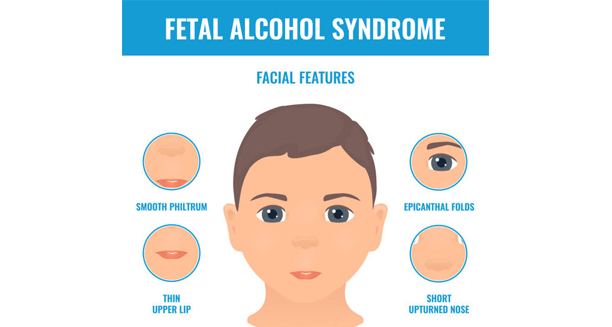
Symptoms of Fetal Alcohol Spectrum Disorder The symptoms of fetal alcohol spectrum disorder vary widely depending on the timing, amount, and duration of alcohol exposure during pregnancy. Fetal alcohol spectrum disorder may affect a child’s physical appearance, cognitive ability, behaviour, and emotional development. Some symptoms are evident at birth, while others emerge as the child grows. Physical Symptoms Some individuals with FASD may show: Distinct facial features, such as: Smooth philtrum (the groove between nose and upper lip) Thin upper lip Small eye openings Low birth weight and poor growth after birth Smaller-than-average head size (microcephaly) Organ abnormalities, such as heart defects Hearing or vision problems Poor motor coordination These signs are more common in cases of Fetal Alcohol Syndrome (FAS), the most recognisable and severe form within the FASD spectrum. Cognitive and Learning Difficulties Delayed speech and language development Poor memory, even for tasks just completed Difficulty understanding time and abstract concepts Problems with planning, organisation, and completing tasks Learning disabilities, including dyslexia and dyscalculia Children with FASD may perform well in some areas but struggle with consistency, attention, and applying knowledge across different settings. Behavioural and Emotional Issues Impulsiveness and poor judgement Hyperactivity and trouble sitting still Difficulty understanding consequences Poor social skills, including misreading social cues Emotional dysregulation, such as sudden anger or anxiety Sleep disturbances These behaviours can be mistaken for ADHD, autism, or oppositional defiant disorder, often leading to misdiagnosis or delayed support. Symptoms Over Time | Symptoms of Fetal Alcohol Spectrum Disorder In adolescence and adulthood, symptoms may include: Mental health challenges, such as anxiety, depression, or substance use Trouble with employment or independent living Legal issues, often due to poor impulse control or misunderstandings Vulnerabilities to abuse, exploitation, or homelessness With early diagnosis and lifelong support, many people with FASD can thrive. However, without understanding or appropriate care, they are at higher risk of school failure, social exclusion, and emotional distress. Recognising the symptoms of fetal alcohol spectrum disorder is key to early intervention and improved outcomes. Every child deserves a support system that understands the unique challenges they face. [Next: Diagnosis of Fetal Alcohol Spectrum Disorder→]