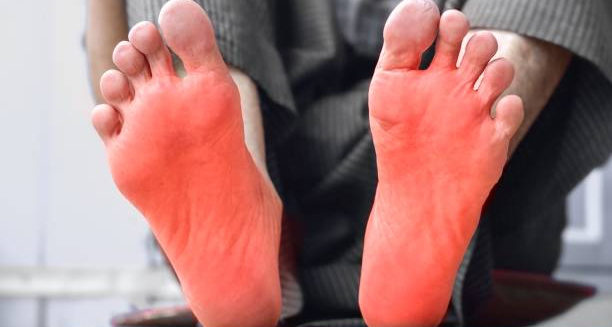
Treatment of Erythromelalgia
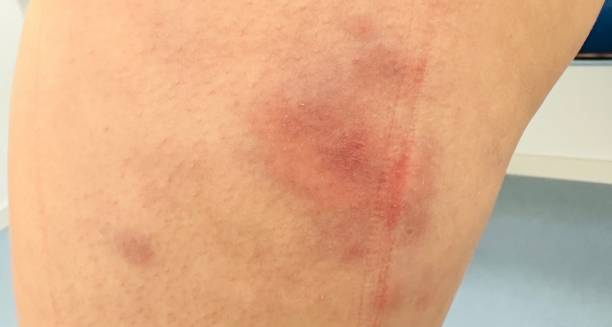
Treatment of Erythromelalgia The treatment of erythromelalgia focuses on relieving symptoms, avoiding triggers, and addressing any underlying conditions. Because erythromelalgia is a chronic and often unpredictable condition, treatment must be personalised. No single therapy works for everyone, and a trial-and-error approach is often necessary. General Strategies Avoid heat exposure – Stay in cool environments, avoid hot showers, and reduce time in the sun Use cooling methods safely – Fans, cold water foot soaks (short periods only), cool packs, or air conditioning Wear loose, breathable clothing and open footwear Rest during flare-ups – Elevating the limbs can help improve symptoms Topical Treatments Some patients benefit from: Lidocaine creams or patches – Numbs the skin and may reduce burning Capsaicin cream – May desensitise overactive nerves (use cautiously, as it can cause irritation) Cooling gels or menthol-based creams – Provide short-term relief Oral Medications Treatment may include: Aspirin – Especially if symptoms are linked to high platelet counts or polycythaemia vera Anticonvulsants, such as gabapentin or pregabalin – For nerve-related pain Tricyclic antidepressants, like amitriptyline – Used for chronic neuropathic pain Selective serotonin-norepinephrine reuptake inhibitors (SNRIs) – May help in some patients Beta-blockers or calcium channel blockers – Occasionally used to regulate blood vessel dilation Medications must be started at low doses and increased slowly to monitor for side effects. Treatment of Underlying Conditions In secondary erythromelalgia, the best outcomes come from treating the root cause: Polycythaemia vera – Managed with phlebotomy or hydroxyurea Autoimmune diseases – May require steroids or immunosuppressants Neuropathy – Needs glucose control or treatment of the nerve condition Advanced Therapies For severe, treatment-resistant cases: Intravenous lidocaine infusions – Offered at specialist pain clinics Spinal cord stimulators – Rarely used, but may help in extreme cases Nerve blocks – Occasionally provide temporary relief Treatment of Erythromelalgia In South Africa Many patients in South Africa struggle to access pain specialists, especially within the public healthcare system. Increased training for primary care providers and access to neurologists can improve outcomes. The treatment of erythromelalgia requires a multidisciplinary, patient-focused approach. With the right combination of medication, cooling, and support, most patients can achieve meaningful symptom relief. [Next: Complications of Erythromelalgia →]