Mental Matters

Health & Wellness

Illustration of Clostridium difficile bacteria causing abdominal pain in a patient

Diagnosis of Clostridium difficile

Diagnosis of Clostridium difficile Diagnosis of Clostridium difficile involves clinical evaluation combined with laboratory testing of stool samples. Because the symptoms overlap with other gastrointestinal conditions, a prompt and accurate diagnosis is essential to ensure correct treatment and infection control. 1. Clinical Assessment Doctors start by reviewing symptoms—particularly recent diarrhoea—and medical history, with a focus on recent antibiotic use or hospitalisation. The timing and frequency of stools, presence of fever, and abdominal pain all provide important clues. 2. Stool Testing | Diagnosis of Clostridium difficile Several laboratory tests are used to confirm CDI: A combination of these tests is typically used to improve accuracy. 3. Colonoscopy or Sigmoidoscopy In cases where stool testing is inconclusive or severe disease is suspected, a colonoscopy may be performed. This can reveal characteristic yellow-white plaques (pseudomembranes) on the colon lining, confirming pseudomembranous colitis. 4. Imaging Doctors act quickly if they suspect toxic megacolon or bowel perforation. CT scans and X-rays help doctors evaluate colon dilation and inflammation. 5. Blood Tests | Diagnosis of Clostridium difficile Routine blood work may show: 6. Recurrence Confirmation In recurrent cases, doctors may order additional tests to distinguish between reinfection and treatment failure. Stool PCR and toxin testing can help guide follow-up care. A timely and accurate diagnosis of Clostridium difficile not only guides treatment but also triggers infection control measures, helping to prevent transmission to other patients or caregivers. [Next: Treatment of Clostridium difficile →]


Diagnosis of Clostridium difficile Read More »

Probiotic treatment targeting Clostridium difficile and supporting good gut bacteria

Treatment of Clostridium difficile

Treatment of Clostridium difficile Treatment of Clostridium difficile depends on the severity of the infection, whether it’s a first occurrence or a recurrence, and the overall health of the patient. Timely and appropriatetreatment can significantly reduce symptoms, prevent complications, and limit the spread of infection. 1. Discontinuing the Inciting Antibiotic If the infection follows recent antibiotic use, the first step is to stop the offending antibiotic. This often allows the gut microbiota to begin restoring itself naturally. 2. First-Line Antibiotics | Treatment of Clostridium difficile Targeted antibiotics treat C. difficile infections: 3. Hydration and Electrolyte Replacement Patients must stay hydrated, especially those with ongoing diarrhoea. Oral rehydration or IV fluids treat fluid loss and electrolyte imbalances. 4. Treatment of Severe or Recurrent Cases 5. Avoiding Anti-Diarrhoeal Agents Avoid medications like loperamide—they slow bowel movements and trap toxins, which can worsen the condition. 6. Infection Control | Treatment of Clostridium difficile Healthcare providers isolate patients during treatment to stop spore transmission. Rigorous hand hygiene and environmental cleaning with sporicidal agents are mandatory. Effective treatment of Clostridium difficile requires a combination of antimicrobial therapy, supportive care, and strict infection prevention. Early intervention helps limit damage, especially in vulnerable or elderly patients. [Next: Complications and Recovery from Clostridium difficile →]

Treatment of Clostridium difficile Read More »

Man clutching stomach in pain from Clostridium difficile infection

Complications and Recovery from Clostridium difficile

Complications and Recovery from Clostridium difficile Complications and recovery from Clostridium difficile vary from patient to patient, depending on the severity of infection, response to treatment, and underlying health. While many cases resolve with antibiotics, Clostridium difficile can cause long-term health issues or life-threatening complications, especially if untreated or mismanaged. 1. Complications | Complications and Recovery from Clostridium difficile 2. Emotional and Psychological Impact Chronic illness, prolonged hospitalisation, and fear of recurrence can cause anxiety and depression. Patients often worry about reinfection or spreading the disease to others. 3. Recovery Timeline 4. Preventing Recurrence Patients are encouraged to: 5. Infection Control After Recovery C. difficile spores can linger on surfaces even after symptoms have resolved. Regular cleaning and careful hygiene remain important, especially in shared living environments. In conclusion, complications and recovery from Clostridium difficile demand ongoing care, especially in vulnerable populations. With proper treatment, lifestyle adjustments, and medical follow-up, most individuals can recover fully and avoid future infections. [Next: Back to Overview →]

Complications and Recovery from Clostridium difficile Read More »

Woman feeling trapped in a crowd, showing signs of claustrophobia

Claustrophobia

Claustrophobia – Overview Claustrophobia is an intense and irrational fear of confined or enclosed spaces. People with this condition may panic or experience severe anxiety when placed in situations such as elevators, small rooms without windows, crowded public transport, or even when wearing tight clothing or undergoing an MRI scan. The condition can be deeply distressing and may interfere with daily life, relationships, and work. Claustrophobia is classified as a specific phobia, a type of anxiety disorder focused on a particular trigger. The severity of the condition varies from person to person. While some individuals may feel only mild discomfort, others may avoid certain places or situations entirely due to the overwhelming sense of dread. The fear is not necessarily about the space itself, but rather the perceived inability to escape or the feeling of being trapped. Claustrophobia Symptoms typically develop during childhood or adolescence, but they can emerge at any age. This condition can arise after a traumatic experience in a confined space, such as getting stuck in a lift or being held down during a medical procedure. Genetics and personality traits may also play a role. Left untreated, claustrophobia can lead to significant avoidance behaviours, social withdrawal, and limitations on mobility. Thankfully, it is a treatable condition. With the right therapeutic approach, many people experience long-lasting relief. In summary, claustrophobia is a debilitating yet manageable anxiety disorder marked by extreme fear of confined spaces. Increased awareness and access to mental health support have helped many people reduce their symptoms and regain confidence in navigating the world. [Next: Causes of Claustrophobia →]

Claustrophobia Read More »

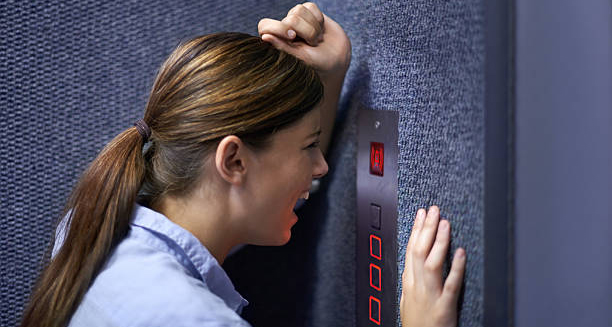
Woman panicking inside lift highlighting causes of claustrophobia

Causes of Claustrophobia

Causes of Claustrophobia Causes of claustrophobia can be complex and multifactorial, involving a combination of past experiences, psychological tendencies, and genetic influences. While not every person with claustrophobia has a clear origin story, many can trace their fear back to a specific incident or pattern of events. Understanding the causes of claustrophobia can assist in developing effective treatment strategies and provide reassurance to those struggling with the condition. 1. Traumatic Experiences One of the most common causes is a distressing experience in a confined space. For instance, a child who was accidentally locked in a cupboard or who got stuck in an elevator may later associate enclosed environments with panic. These events may not have seemed significant at the time, but their emotional impact can persist. 2. Learned Behaviour | Causes of Claustrophobia Phobias can also be learned from close family members. If a parent or caregiver exhibited anxious behaviour in tight spaces, a child may unconsciously adopt this fear through observation and repetition. This is especially true if the child did not receive reassurance or help interpreting the event differently. 3. Genetic and Biological Factors Some individuals may have a genetic predisposition to anxiety disorders, including specific phobias like claustrophobia. Studies suggest that people with a family history of anxiety or panic disorders may be more vulnerable. Certain brain structures, such as the amygdala, may also react more strongly to perceived threats in enclosed spaces. 4. Personality Traits People who are more sensitive, introverted, or prone to high levels of control may be more susceptible to developing claustrophobia. The feeling of being unable to escape or control the situation can trigger panic in those with a heightened sensitivity to stress. 5. Evolutionary Theories | Causes of Claustrophobia Some experts believe that claustrophobia may have evolutionary roots. Being trapped in tight spaces historically posed real threats, such as cave-ins or animal attacks. The fear response may have evolved as a survival mechanism, although it can become maladaptive in modern settings. While the causes of claustrophobia are varied, the common thread is a sense of entrapment or lack of control. Recognising the underlying source of fear can provide insight during therapy and empower individuals to work through the anxiety effectively. [Next: Symptoms of Claustrophobia →]

Causes of Claustrophobia Read More »

Anxious man crouching in lift showing symptoms of claustrophobia

Symptoms of Claustrophobia

Symptoms of Claustrophobia Symptoms of claustrophobia can vary widely, both in intensity and in how they manifest. However, most people with claustrophobia experience overwhelming anxiety when confronted with enclosed or confined spaces. These symptoms may be physical, emotional, or behavioural, and they can arise suddenly or build gradually as the person approaches a triggering environment. 1. Physical Symptoms Claustrophobia often triggers a strong physiological response, commonly associated with panic attacks. These include: These symptoms arise from the body’s “fight or flight” response and can be intensely distressing, even if the person intellectually knows they are not in danger. 2. Psychological Symptoms | Symptoms of Claustrophobia Emotionally, individuals may experience: Even the anticipation of being in a confined space can cause significant anxiety or dread, known as anticipatory anxiety. 3. Behavioural Symptoms People with claustrophobia often alter their routines or lifestyles to avoid triggering environments. This avoidance can include: These behaviours may initially offer relief but often reinforce the phobia over time, making it worse. 4. Impact on Daily Life | Symptoms of Claustrophobia In severe cases, claustrophobia interferes with employment, relationships, and medical care. Some individuals may refuse necessary health tests or procedures out of fear, posing additional health risks. The symptoms of claustrophobia can be debilitating but are also highly treatable. Recognising them early and seeking support can prevent the fear from escalating and improve overall quality of life. [Next: Diagnosis of Claustrophobia →]

Symptoms of Claustrophobia Read More »

Anxious man inside MRI scanner holding emergency button, showing signs of claustrophobia.

Diagnosis of Claustrophobia

Diagnosis of Claustrophobia Diagnosis of claustrophobia typically involves a thorough psychological evaluation by a mental health professional. Since claustrophobia is a specific phobia, diagnosis is based on criteria outlined in the Diagnostic and Statistical Manual of Mental Disorders (DSM-5), which helps distinguish it from general anxiety or panic disorders. 1. Initial Assessment The diagnostic process usually starts with a comprehensive interview covering: Patients may be asked to describe their experiences in confined spaces and how the fear impacts daily functioning. 2. Diagnostic Criteria | Diagnosis of Claustrophobia To be diagnosed with claustrophobia, the following criteria must generally be met: These criteria ensure that the diagnosis reflects a long-standing condition rather than a short-term reaction. 3. Differential Diagnosis It is important to rule out other conditions that may cause similar symptoms: A detailed evaluation helps clarify the diagnosis and inform treatment planning. 4. Questionnaires and Tools | Diagnosis of Claustrophobia Some professionals use structured questionnaires, such as the Claustrophobia Questionnaire (CLQ), to assess symptom severity and track progress during therapy. A correct diagnosis of claustrophobia is essential for tailoring effective treatment. It allows healthcare providers to choose appropriate therapies, provide reassurance, and help patients understand their condition. [Next: Treatment of Claustrophobia →]

Diagnosis of Claustrophobia Read More »

Woman receiving virtual reality therapy for claustrophobia with psychologist present.

Treatment of Claustrophobia

Treatment of Claustrophobia Treatment of claustrophobia is highly effective, with many individuals experiencing significant relief through therapy, self-help strategies, and sometimes medication. Although claustrophobia can be distressing, modern approaches to mental health care offer practical and evidence-based solutions. 1. Cognitive Behavioural Therapy (CBT) CBT is the most widely recommended treatment for claustrophobia. It involves identifying negative thought patterns and replacing them with more realistic beliefs. Key CBT techniques include: CBT helps patients reduce avoidance and manage anxiety more effectively. 2. Exposure Therapy | Treatment of Claustrophobia This technique involves confronting the fear in a safe, structured way. Starting with mildly uncomfortable situations (e.g. looking at pictures of elevators), the individual gradually progresses to more anxiety-inducing ones (e.g. riding in an elevator). Over time, this reduces the fear response. 3. Virtual Reality Therapy Emerging technology allows individuals to simulate confined spaces in a controlled setting using VR. This provides a safe, realistic way to practise exposure without physical risk. 4. Medication | Treatment of Claustrophobia In some cases, medication may be prescribed alongside therapy: Medication is generally not a standalone treatment but may be useful in managing symptoms. 5. Relaxation Techniques Deep breathing, progressive muscle relaxation, and mindfulness can help manage anxiety. These tools are often used during therapy and practised at home. 6. Support Groups and Education Connecting with others who experience claustrophobia can be reassuring. Learning about the condition also helps demystify the fear and builds confidence in the recovery process. The goal of treatment of claustrophobia is to empower individuals to face previously avoided situations without overwhelming anxiety. With consistent effort and the right support, most people can overcome their fear and lead unrestricted lives. [Next: Complications and Recovery from Claustrophobia →]

Treatment of Claustrophobia Read More »

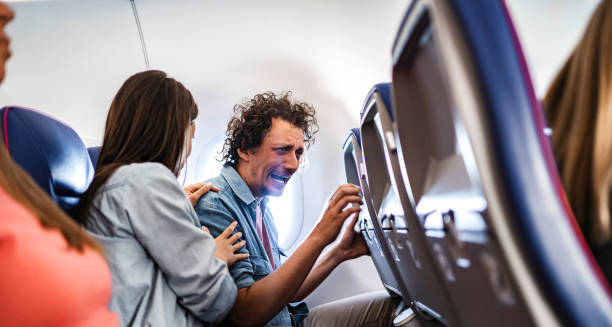
Man experiencing severe claustrophobia during a flight with supportive companion.

Complications and Recovery from Claustrophobia

Complications and Recovery from Claustrophobia Complications and recovery from claustrophobia depend on the severity of the condition and how early it is addressed. While claustrophobia does not directly threaten physical health, its psychological and social consequences can be profound if left untreated. Fortunately, recovery is achievable for most people with the right therapeutic support. 1. Avoidance Behaviour One of the primary complications is excessive avoidance. Individuals may go to great lengths to avoid lifts, planes, crowded shops, or enclosed toilets. This can limit career options, affect relationships, and reduce quality of life. 2. Physical Health Risks Fear of confined medical environments may lead to avoiding essential tests such as MRIs, CT scans, or surgeries. In turn, this can delay diagnoses and treatment of physical illnesses. 3. Social Isolation | Complications and Recovery from Claustrophobia As avoidance behaviours increase, people may withdraw from social situations. They may refuse invitations, miss important events, or avoid commuting, contributing to loneliness or depression. 4. Impact on Career Jobs that require travel, teamwork in small offices, or attending crowded meetings may be declined or abandoned. This can hinder professional growth and financial stability. 5. Emotional Toll The constant fear and stress associated with claustrophobia can erode self-confidence and increase the risk of secondary mental health issues like generalised anxiety, depression, or substance use. Recovery Outlook | Complications and Recovery from Claustrophobia Recovery from claustrophobia is highly likely with treatment. Exposure-based therapies, CBT, and relaxation strategies have high success rates. Many patients are able to resume normal activities within weeks or months of starting therapy. Key factors that support recovery include: In severe cases, recovery may take longer, but significant improvement is still achievable. In conclusion, complications and recovery from claustrophobia highlight the importance of early treatment and ongoing support. With evidence-based therapy and self-help strategies, most individuals can overcome their fear and reclaim their freedom. [Next: Back to Overview →]

Complications and Recovery from Claustrophobia Read More »

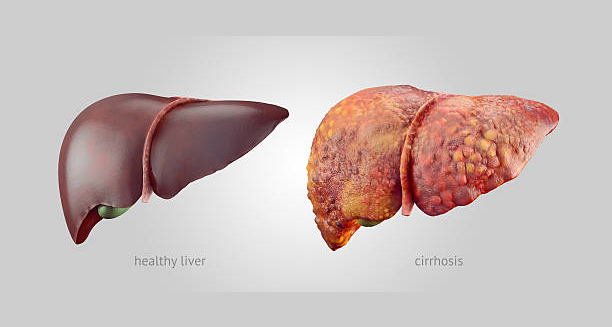
Medical comparison of a healthy liver and a liver with cirrhosis.

Cirrhosis

Cirrhosis – Overview Cirrhosis is a chronic liver disease characterised by long-term damage that leads to the replacement of healthy liver tissue with scar tissue. This process impairs the liver’s ability to function effectively. Over time, this disrupts blood flow through the liver, reduces detoxification capacity, and interferes with nutrient processing and hormone regulation. It is the final stage of various forms of chronic liver disease and can result in liver failure or liver cancer if not properly managed. The liver plays a crucial role in digestion, metabolism, immunity, and the storage of nutrients. When it becomes scarred, its efficiency declines, affecting the entire body. Cirrhosis often develops silently over several years, with many patients unaware of any problem until the damage is severe. This condition is generally classified into two stages: compensated and decompensated. In compensated cirrhosis, the liver still performs its essential functions despite the scarring. Once the disease progresses to decompensated cirrhosis, complications such as ascites, jaundice, bleeding, or encephalopathy occur, indicating a more serious condition that demands urgent medical attention. Cirrhosis Common causes include chronic alcohol abuse, viral hepatitis (particularly hepatitis B and C), non-alcoholic fatty liver disease (NAFLD), autoimmune liver disease, and certain genetic conditions. Risk factors such as obesity, type 2 diabetes, high cholesterol, and exposure to toxins also contribute. Although liver damage cannot be reversed, the progression can be slowed or stopped with early diagnosis, lifestyle changes, and treatment of the underlying cause. In advanced stages, a liver transplant may be necessary. In summary, this is a potentially life-threatening but manageable condition. With proper medical care and lifestyle intervention, many individuals live full lives even after diagnosis. [Next: Causes of Cirrhosis →]

Cirrhosis Read More »

Scroll to Top