Treatment of Hiatus Hernia
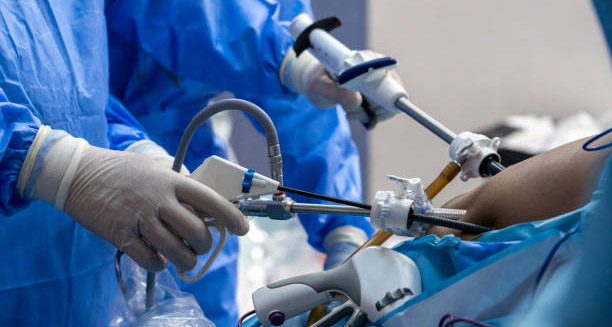
The treatment of hiatus hernia depends on the type of hernia, the severity of symptoms, and whether any complications are present. In many cases, especially when the hernia is small and sliding, no treatment is needed right away. But if symptoms like heartburn, chest pain, or swallowing trouble begin to affect daily life, then treatment becomes important. The main goal in the treatment of hiatus hernia is to ease symptoms, prevent problems like reflux damage or stomach twisting, and keep the stomach in its normal position. First Steps in Treating Sliding Hiatus Hernias For most people with a sliding hiatus hernia—the most common type—doctors begin with simple methods. These include changing daily habits, improving the diet, and using medicine. These steps lower stomach acid, reduce reflux, and stop the stomach from moving further up into the chest. These non-surgical options work very well for mild to moderate symptoms. Lifestyle changes that can help include: Medication Options in the Treatment of Hiatus Hernia When symptoms still continue, doctors often suggest medication. This helps control acid and soothe the oesophagus. The most common drug types include: If these steps don’t bring relief—or if problems get worse—doctors may suggest surgery. When Surgery Becomes Necessary Surgery is considered in certain situations, including: The most common surgery in the treatment of hiatus hernia is laparoscopic Nissen fundoplication. It involves: This surgery uses small tools and causes less pain than older methods. Most people go home quickly, feel better fast, and heal within 4 to 6 weeks. Most report big improvements in symptoms and life quality after surgery. Other Surgical Approaches and Long-Term Planning Besides Nissen fundoplication, doctors may also consider: People who can’t have surgery due to age, illness, or personal reasons can stay on long-term medication. They must visit their doctor regularly to check for issues like scarring, bleeding, or worsening Barrett’s. Sometimes, doctors may use a camera to check the oesophagus every year or two. Supporting Long-Term Success Supportive care plays a big role too. Many people with a hiatus hernia feel anxious or frustrated by constant heartburn or chest discomfort. Talking to a counsellor, joining support groups, and learning more about the condition can make a big difference. Dietitians can help too by showing what foods to eat or avoid. It’s also key to follow all advice after surgery. Although uncommon, the hernia can come back. This may happen if people lift heavy things too soon, eat the wrong foods, or gain back weight. To lower this risk, patients must stick to recovery tips and attend all follow-up visits. Final Thoughts on the Treatment of Hiatus Hernia In summary, the treatment of hiatus hernia depends on each person. Some people feel better just by changing their habits and taking medicine. Others need surgery for lasting relief. No matter the plan, getting help early, watching for new symptoms, and following doctor advice help people stay well and avoid problems. With the right care, most people live full, healthy lives. [Next: Complications of Hiatus Hernia →]