Treatment of Marfan Syndrome
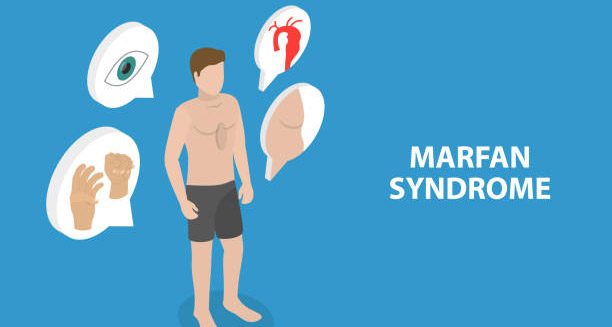
Treatment of Marfan Syndrome The treatment of Marfan syndrome is comprehensive and ongoing, focusing on preventing complications, improving quality of life, and preserving normal function across multiple systems in the body. Since Marfan syndrome is a genetic connective tissue disorder, it cannot be cured. However, with modern treatments, individuals can live full and relatively normal lives. The goal of treatment is to reduce the risk of life-threatening issues, like aortic dissection, while addressing musculoskeletal, ocular, and cardiovascular symptoms. Cardiovascular Management: The Cornerstone of Treatment The most important part of the treatment of Marfan syndrome is managing cardiovascular risks, especially aortic root dilation and dissection. Since the aorta is structurally weak in Marfan patients, it is more prone to enlarging and rupturing under pressure. Ophthalmic Treatment: Preserving Vision Marfan syndrome often affects the eyes, particularly causing lens dislocation (ectopia lentis), early-onset myopia, or retinal detachment. Eye care is an essential part of the treatment of Marfan syndrome. Musculoskeletal and Orthopaedic Management The skeletal issues in Marfan syndrome can cause pain, deformity, and functional limitations, such as scoliosis, pectus deformities, joint hypermobility, flat feet, and disproportionate limb length. Pulmonary and Neurological Care Other systems affected by Marfan syndrome also require care: Reproductive and Prenatal Considerations Women with Marfan syndrome who become pregnant face higher risks due to the added strain on the cardiovascular system. The treatment of Marfan syndrome includes: Genetic counselling is also advised due to the 50% chance of passing the condition on to children. Psychological Support and Quality of Life Living with Marfan syndrome can be emotionally challenging, especially for young individuals who may struggle with physical differences or lifestyle limitations. Treatment should therefore include: Multidisciplinary Care Team A comprehensive, lifelong treatment plan requires a team of specialists, including: Specialist Role Cardiologist Manages aortic monitoring, medications, and surgery planning Ophthalmologist Manages lens dislocation, myopia, and other eye issues Orthopaedic Surgeon Treats scoliosis, chest deformities, and joint issues Geneticist Provides diagnosis, family planning advice, and genetic counselling Physiotherapist Improves joint stability, posture, and mobility Psychologist Supports emotional well-being and coping mechanisms Gynaecologist Assists with reproductive health and high-risk pregnancy management Each specialist plays a key role in maintaining long-term health and stability. Lifestyle Modifications and Self-Care Patients are encouraged to: Advances in Treatment and Research Current research is exploring: Summary The treatment of Marfan syndrome is a lifelong, multi-layered approach that focuses on preventing complications, especially cardiovascular risks, while supporting overall health. Key elements of treatment include medications like beta-blockers and ARBs, regular monitoring, and surgery when necessary. With added support for the eyes, skeleton, lungs, and mental health, patients can lead fulfilling lives. Education, empowerment, and coordinated care are essential for improving outcomes and enhancing quality of life. [Next: Complications of Marfan Syndrome →]