Mental Matters

Health & Wellness

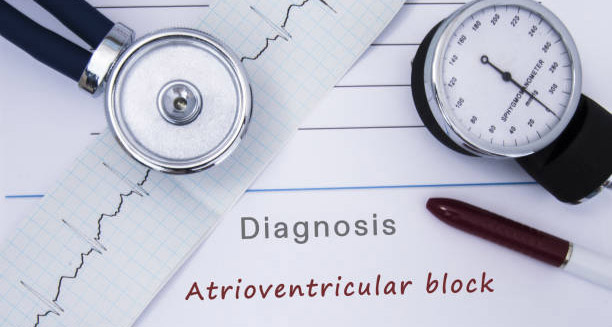
Stethoscope, ECG strip, and blood pressure cuff with the words “Diagnosis Atrioventricular block”

Diagnosis of Heart Block

Diagnosis of Heart Block Accurate diagnosis of heart block is crucial for determining the degree of conduction delay and guiding appropriate treatment. The diagnosis of heart block is typically made using electrocardiographic testing and a thorough clinical evaluation. Since heart block can range from benign to potentially fatal. Early identification is essential to prevent complications such as syncope, heart failure, or sudden cardiac arrest. The diagnostic process begins with a detailed medical history and physical examination. Healthcare providers assess symptoms like dizziness, fatigue, fainting, or palpitations. FUrthermore, consider risk factors such as existing heart disease, medication use, or prior cardiac surgery. The primary tool for diagnosing heart block is the electrocardiogram (ECG or EKG). This non-invasive test records the electrical activity of the heart and can reveal delays or interruptions in signal conduction. Different patterns on the ECG help classify the heart block into first-, second-, or third-degree: Diagnosis of Heart Block First-degree AV block shows a consistently prolonged PR interval (greater than 200 milliseconds) with all atrial impulses still reaching the ventricles. Doctors classify second-degree AV block into two types. In Mobitz Type I (Wenckebach), the PR interval gradually lengthens until a beat drops. In Mobitz Type II, the heart drops beats without the PR interval lengthening beforehand. Third-degree (complete) AV block appears as complete dissociation between atrial and ventricular activity, with the atria and ventricles beating independently. If doctors can’t clearly diagnose the problem or if symptoms come and go, they may use ambulatory ECG monitoring (like Holter monitoring or event recorders) to track abnormal rhythms over time. For patients with rare but severe symptoms, such as fainting, doctors may recommend implantable loop recorders. Diagnosis of Heart Block Additional testing may include blood work to check for electrolyte imbalances or markers of infection or inflammation, and imaging studies such as echocardiography to assess structural heart abnormalities. In cases where coronary artery disease is suspected, stress testing or coronary angiography may be performed. In some patients, an electrophysiological study (EPS) is required. This invasive test maps the electrical pathways within the heart to pinpoint the location and severity of the conduction block, especially when considering a pacemaker or other intervention. Timely and accurate diagnosis of heart block allows for tailored treatment, whether it involves monitoring, adjusting medications, or implanting a pacemaker to restore effective heart rhythm. [Next: Symptoms of Heart Block →]

Diagnosis of Heart Block Read More »

Woman holding her head and chest with eyes closed, showing dizziness and discomfort from heart block

Symptoms of Heart Block

Symptoms of Heart Block The symptoms of heart block depend on the severity of the conduction abnormality and whether the disruption is intermittent or persistent. Recognising the symptoms of heart block is crucial for early diagnosis and timely intervention. Particularly in higher-degree blocks which may be life-threatening if left untreated. First-degree heart block In first-degree heart block, the symptoms are often absent. This form is usually discovered incidentally during routine ECGs or evaluations for unrelated issues. Because the electrical signals are only slowed (not blocked), most individuals with first-degree heart block lead normal lives without requiring treatment. Second-degree heart block Second-degree heart block presents more variability. In Mobitz Type I (Wenckebach), patients may remain asymptomatic or experience mild symptoms like light-headedness or fatigue due to occasional missed beats. In Mobitz Type II, the symptoms tend to be more pronounced and unpredictable. As the ventricles may fail to respond to some or many atrial impulses. Common symptoms include: Dizziness or light-headedness Palpitations or skipped heartbeats Fatigue Shortness of breath, especially during exertion Mild chest discomfort Third-degree (complete) heart block Third-degree (complete) heart block is the most serious and typically causes significant symptoms due to the complete dissociation between atrial and ventricular contractions. The heart’s pumping efficiency is dramatically reduced. Leading to bradycardia (abnormally slow heart rate) and insufficient blood flow to vital organs. Symptoms often include: Severe fatigue and weakness Episodes of syncope (fainting) Confusion or memory disturbances (especially in older adults) Chest pain or discomfort Sudden cardiac arrest (in extreme cases) In some individuals, the symptoms can be subtle or come on gradually, making diagnosis more challenging. Symptoms may worsen over time if the underlying cause progresses or if other cardiac issues develop. Conditions such as atrial fibrillation or heart failure, develop concurrently. For infants and young children with congenital heart block, signs may include poor feeding, lethargy, failure to thrive, or visible pauses in heart rhythm detected on examination. In utero, congenital block may lead to hydrops fetalis, a potentially fatal condition requiring urgent management. Symptoms of Heart Block Overall, the symptoms of heart block reflect the degree of electrical disruption and the heart’s compensatory ability. Recognising these symptoms—especially in the context of known risk factors or existing heart disease—is essential for initiating the right diagnostic workup and life-saving treatment. [Next: Treatment of Heart Block →]

Symptoms of Heart Block Read More »

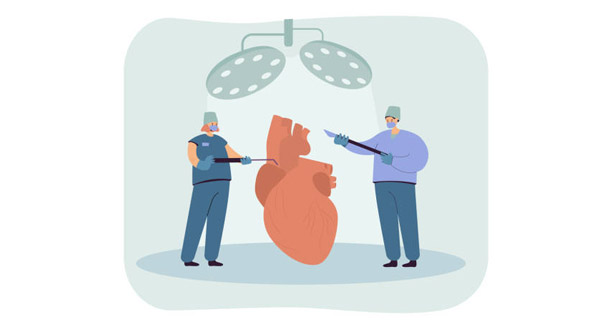
Cartoon illustration of doctors performing heart surgery under operating lights to treat heart block

Treatment of Heart Block

Treatment of Heart Block The treatment of heart block depends on the degree of conduction impairment, the presence of symptoms, and the underlying cause. The main goals of treating heart block are clear. First, doctors want to get the heart beating properly again. Next, they work to ease symptoms like dizziness or weakness. Finally, they try to stop serious problems, such as fainting, heart failure, or sudden cardiac arrest. In first-degree heart block, the electrical impulse delays but doesn’t get interrupted. Doctors usually don’t need to treat it unless the person shows symptoms. In many cases, doctors regularly monitor first-degree block, especially if medication or other reversible factors cause it. Adjusting or discontinuing medications such as beta-blockers, calcium channel blockers, or digoxin can resolve the issue when appropriate. Second-degree heart block Second-degree heart block is more serious and may need treatment, especially in Mobitz Type II. This type has a higher risk of turning into complete heart block. However, if something temporary, like an infection or medication, causes the block, treating the problem or stopping the drug can fix it. However, symptomatic patients or those with evidence of progressive conduction disease usually require a permanent pacemaker. Third-degree (complete) heart block is a medical emergency when symptomatic and nearly always requires a permanent pacemaker. In the acute setting, temporary pacing may be initiated via an external or transvenous pacemaker until a permanent device can be implanted. Permanent pacemakers regulate the heartbeat by providing electrical impulses that restore proper timing between atrial and ventricular contractions. For individuals with congenital heart block, treatment decisions depend on the severity of the block, presence of symptoms, and associated structural abnormalities. Asymptomatic children with stable heart rates may be monitored, while those with slow heart rates, signs of heart failure, or poor growth typically need a pacemaker. Treatment of Heart Block In cases where heart block is due to infection (such as Lyme disease or rheumatic fever), appropriate antibiotic or anti-inflammatory treatment may resolve the conduction issue. Similarly, correcting electrolyte imbalances or managing infiltrative diseases like sarcoidosis may reverse the conduction abnormality if addressed early. Pacemaker implantation is generally safe and significantly improves quality of life and prognosis for individuals with symptomatic or high-risk heart block. The device is placed under the skin, usually in the chest, and connected to leads that deliver electrical impulses to maintain a coordinated heart rhythm. In addition to pacemakers, some patients may benefit from adjunct therapies such as: Cardiac resynchronisation therapy (CRT): Especially for patients with heart failure and wide QRS complexes. Implantable cardioverter-defibrillators (ICDs): For those at risk of life-threatening arrhythmias in addition to conduction abnormalities. Lifestyle modifications, including managing cardiovascular risk factors (blood pressure, cholesterol, diabetes), quitting smoking, and maintaining regular follow-up care, are also essential to support long-term heart health. Treatment of Heart Block In summary, the treatment of heart block ranges from observation to pacemaker implantation depending on the degree and cause. Timely intervention, particularly for second- and third-degree blocks, can be lifesaving and significantly improve outcomes. [Next: Complications of Heart Block →]

Treatment of Heart Block Read More »

Older woman holding chest in discomfort while sitting on sofa, showing possible heart block complications

Complications of Heart Block

Complications of Heart Block The complications of heart block depend on its severity, underlying cause, and whether the condition is left untreated. While some individuals may experience no adverse effects—particularly in mild or first-degree blocks—others may suffer from significant health risks if proper care is not initiated. Understanding the complications of heart block highlights the importance of timely diagnosis and treatment. One of the most serious complications is syncope (fainting), which results from a sudden drop in blood pressure due to an abrupt pause or slowdown in the heart’s rhythm. In higher-degree heart blocks, especially third-degree (complete) AV block, the ventricles may fail to receive signals from the atria, causing dangerously slow heart rates that reduce blood flow to the brain. Sudden cardiac arrest is another life-threatening complication. This can occur if the heart’s electrical system fails entirely or if a secondary arrhythmia, such as ventricular fibrillation, develops. Without immediate intervention, such as cardiopulmonary resuscitation (CPR) or defibrillation, sudden cardiac arrest can be fatal. Complications of Heart Block Heart failure may also develop, particularly in individuals with long-standing or untreated second- or third-degree blocks. Incomplete or uncoordinated contraction of the heart chambers reduces cardiac output, which over time leads to volume overload, congestion, and impaired oxygen delivery to tissues. Symptoms include fatigue, shortness of breath, fluid retention, and reduced exercise capacity. Cognitive impairment and reduced quality of life can be long-term consequences of untreated or inadequately managed heart block. In elderly patients, repeated episodes of low cerebral perfusion due to bradycardia may lead to memory problems, confusion, and difficulty performing daily tasks. These effects are often reversible once a pacemaker is implanted and normal heart rhythm is restored. Patients with heart block may also be at risk of injury from falls, particularly if syncope or light-headedness occurs without warning. This is of special concern for older adults or those with existing mobility issues. Additional complications include psychological effects such as anxiety or depression, especially in patients who require permanent pacing devices or experience fear of cardiac episodes. Support from mental health professionals and cardiac rehabilitation programmes can help mitigate these concerns. Complications of Heart Block Delays in diagnosis or treatment may lead to irreversible heart muscle damage or permanent conduction system dysfunction. In congenital cases, complications can also include poor growth. Developmental delays, and hydrops fetalis if the block is present during fetal life and goes undetected. In summary, the complications of heart block range from mild to severe, with potentially life-threatening consequences in advanced cases. Prompt recognition and appropriate treatment. Often involving pacemaker therapy, are essential to prevent these outcomes and ensure a stable and productive quality of life. [Next: Prevention of Heart Block →]

Complications of Heart Block Read More »

Man running on treadmill during ECG test with heart rate monitor, promoting heart block prevention

Prevention of Heart Block

Prevention of Heart Block The prevention of heart block focuses on addressing the underlying causes, maintaining overall heart health, and identifying individuals at risk. Although you can’t prevent some types of heart block, like those you’re born with, many others that develop later can be avoided or managed. First, making healthy lifestyle changes helps. Next, regular medical check-ups allow doctors to watch for problems. Finally, acting early when issues appear can keep heart block under control. Proactive prevention of heart block is especially important in ageing populations and individuals with cardiovascular risk factors. One of the key strategies is the management of cardiovascular disease, including coronary artery disease, hypertension, and cardiomyopathy. Controlling blood pressure, lowering cholesterol, and managing blood glucose levels reduces the risk of structural and electrical damage to the heart. This also lowers the likelihood of conditions like myocardial infarction, which can directly injure the AV node and surrounding conduction pathways. Medication awareness is also vital. Certain drugs—such as beta-blockers, calcium channel blockers, digoxin, and some antiarrhythmics—can slow AV conduction. These medications should be carefully dosed and monitored, particularly in older adults or those with pre-existing conduction delays. Routine ECGs can help identify early signs of conduction problems before symptoms appear. Preventing electrolyte imbalances is another important consideration. Ensuring adequate hydration and balanced levels of potassium, calcium, and magnesium supports normal cardiac function. In hospitalised patients or those on diuretics, regular blood tests are often required to monitor and correct these levels promptly. Prevention of Heart Block Infection control plays a role in preventing inflammatory causes of heart block. Lyme disease, rheumatic fever, and viral myocarditis are known contributors to acquired conduction disorders. Early diagnosis and treatment of these infections reduce the risk of long-term complications. Vaccinations and preventive measures, such as tick bite precautions in Lyme-endemic areas, also help mitigate risk. For individuals with autoimmune conditions such as lupus or Sjögren’s syndrome, especially pregnant women, regular monitoring can detect fetal heart rhythm abnormalities early. High-risk pregnancies may require maternal treatment with corticosteroids or other immunomodulators to reduce the risk of congenital heart block. Post-surgical heart block prevention includes careful planning and monitoring during cardiac surgeries involving valve replacement or septal repair. Surgeons take precautions to avoid damage to the conduction system, and post-operative monitoring helps detect block development early. Regular cardiac screening for those at risk—such as older adults, patients with known heart disease, or individuals on specific medications—allows for early detection of conduction delays. Timely action can prevent progression to more severe forms requiring emergency treatment. Maintaining a heart-healthy lifestyle—including a balanced diet, regular exercise, smoking cessation, weight management, and stress reduction—supports optimal cardiovascular function and reduces inflammation, which benefits both the structural and electrical components of the heart. Prevention of Heart Block To sum up, although you can’t prevent every heart block, many types that develop later can be avoided. First, keeping your heart healthy helps a lot. Also, taking medicines safely is important. Finally, finding problems early through regular check-ups can stop heart block before it starts. These preventive efforts contribute to better outcomes and reduce the need for emergency interventions. [Next: Outlook for Heart Block →]

Prevention of Heart Block Read More »

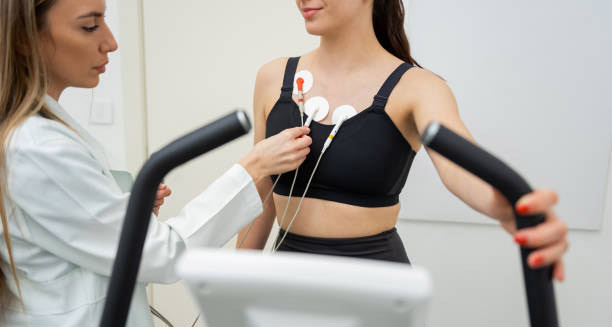
Doctor attaching ECG electrodes to a woman during treadmill test for heart block monitoring

Outlook for Heart Block

Outlook for Heart Block The long-term outlook for heart block depends on the type and degree of the block, the underlying cause, and the effectiveness of treatment. With timely diagnosis and appropriate intervention, many individuals—especially those with first- or second-degree blocks—can lead normal, active lives. For those with more advanced forms, including third-degree block. The outlook for heart block is significantly improved by modern pacemaker technology and cardiac care. For individuals with first-degree heart block, the prognosis is typically excellent. This form is often benign and does not progress or require treatment. Particularly when there are no symptoms or associated structural heart issues. Regular follow-up may be recommended to monitor for any changes. Second-degree heart block has a more variable outlook. Mobitz Type I often remains stable and asymptomatic, while Mobitz Type II is more likely to progress to complete heart block and may warrant earlier intervention. Patients who receive a pacemaker for symptomatic or high-risk second-degree block. Usually experience a substantial improvement in symptoms and a reduction in the risk of complications. Outlook for Heart Block In cases of third-degree (complete) heart block, the outlook without treatment is poor due to the risk of bradycardia-induced complications like syncope, heart failure, or sudden cardiac death. However, with prompt pacemaker implantation, patients generally see a dramatic improvement in survival, exercise tolerance, and quality of life. Modern pacemakers are highly reliable and allow most patients to resume normal activities. Patients with congenital heart block may have a good prognosis if the block is stable and heart function remains adequate. Those requiring pacemakers in early childhood generally adapt well, although they require long-term monitoring, periodic device replacements, and management of any growth-related adjustments to leads or settings. The presence of comorbid conditions such as coronary artery disease, cardiomyopathy, or diabetes may affect the long-term outlook. In these cases, coordinated care that addresses the broader cardiovascular risk profile is essential for improving outcomes. Outlook for Heart Block In summary, the outlook for heart block has improved considerably due to advancements in diagnostic tools, pacing technologies, and overall cardiac care. With proper management, most individuals with heart block can expect a stable, fulfilling life and a reduced risk of serious complications. [Next: Back to Overview →]

Outlook for Heart Block Read More »

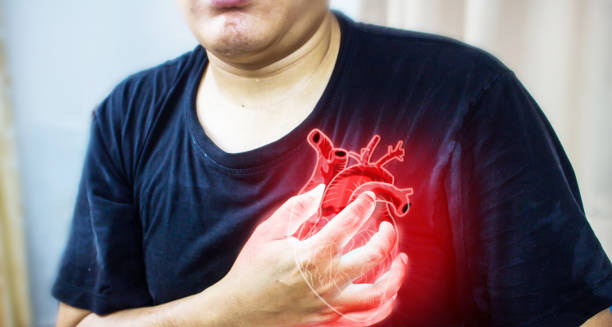
Man clutching chest in severe pain with digital heart illustration glowing red

Heart Attack

Heart Attack A heart attack, medically known as a myocardial infarction, occurs when blood flow to a section of the heart muscle becomes severely reduced or completely blocked. This blockage deprives the heart tissue of oxygen, causing damage or death to that part of the muscle. A heart attack is a medical emergency that requires immediate treatment to restore blood flow and minimise permanent heart damage. Most heart attacks result from atherosclerosis, a condition where fatty deposits called plaques build up on the walls of the coronary arteries. When a plaque ruptures, it can form a blood clot that suddenly obstructs the flow of blood to the heart. Without rapid intervention—typically through medications or procedures like angioplasty or stenting—the affected heart tissue begins to die within minutes to hours. The severity and outcomes of a heart attack depend on several factors, including the location of the blockage, how much heart muscle is affected, and how quickly treatment is received. Some heart attacks are immediately fatal, while others may result in long-term complications like heart failure, arrhythmias, or reduced cardiac output. Early recognition of symptoms and prompt action significantly improve survival and recovery rates. Heart Attack Symptoms of a heart attack can vary widely between individuals and may not always be sudden or severe. The most commonly reported symptom is chest pain or discomfort, often described as pressure, tightness, squeezing, or a heavy weight. This pain may radiate to the left arm, neck, jaw, back, or even the abdomen. Additional symptoms may include shortness of breath, sweating, nausea, dizziness, or a sense of impending doom. Notably, women, older adults, and individuals with diabetes may experience atypical symptoms or “silent” heart attacks. Where the signs are subtle or mistaken for indigestion, fatigue, or anxiety. This can delay diagnosis and treatment. Furthermore, underscores the importance of public awareness and timely medical evaluation when any concerning symptoms arise. Rapid treatment often involves aspirin to reduce clotting, nitroglycerin to ease chest pain, oxygen therapy, and immediate transport to a hospital equipped to perform diagnostic testing and emergency interventions. Once at the hospital, patients may undergo an electrocardiogram (ECG), blood tests to detect heart enzymes, and imaging studies. If necessary, procedures like coronary angiography and percutaneous coronary intervention (PCI) are performed to reopen the blocked artery. Heart Attack In summary, a heart attack is a critical health event caused by a sudden interruption of blood flow to the heart muscle. Early recognition, immediate action, and advanced medical care are essential to saving lives and improving long-term outcomes. [Next: Causes of Heart Attack →]

Heart Attack Read More »

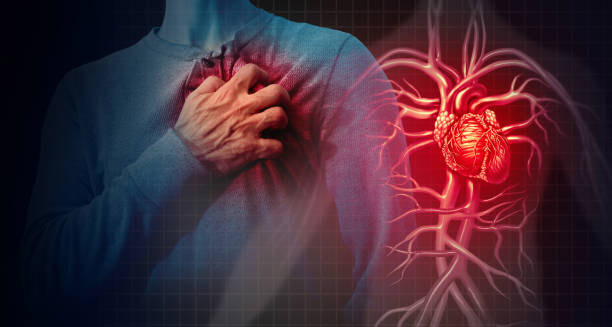
Man clutching chest in pain with digital arteries and heart glowing red, indicating heart attack causes

Causes of Heart Attack

Causes of Heart Attack The causes of heart attack are predominantly related to cardiovascular disease, particularly atherosclerosis. This is a process where fatty deposits, cholesterol, and other substances accumulate in the walls of the coronary arteries. Furthermore, forming plaques that narrow and harden the arteries. Understanding the causes of heart attack helps guide prevention, early detection, and treatment strategies. One of the primary causes is the rupture of an atherosclerotic plaque. When a plaque breaks open, it triggers the body’s clotting system to form a thrombus (blood clot) at the site of rupture. This clot can significantly reduce or completely obstruct blood flow through the coronary artery. This deprives the downstream heart muscle of oxygen and nutrients. The longer the blockage remains, the more damage is done to the heart tissue. Causes of Heart Attack Several risk factors contribute to the development of atherosclerosis and the likelihood of plaque rupture. These include: High blood pressure (hypertension): Increases the strain on arterial walls, accelerating plaque formation and rupture. High cholesterol levels: Particularly elevated LDL (“bad”) cholesterol contributes to plaque buildup, while low HDL (“good”) cholesterol reduces the body’s ability to clear fat from the blood. Smoking: Damages the lining of the arteries, promotes clot formation, and reduces oxygen in the blood. Diabetes: Leads to damage of the blood vessels and increases the risk of atherosclerosis. Obesity and physical inactivity: Contribute to other risk factors like high blood pressure, high cholesterol, and insulin resistance. Unhealthy diet: High in saturated fats, trans fats, salt, and sugar promotes plaque buildup. Family history of heart disease: Genetic predisposition plays a significant role. Stress and excessive alcohol use: Can negatively affect blood pressure, cholesterol levels, and overall heart health. In addition to atherosclerosis, other less common causes of heart attack include coronary artery spasm (a sudden tightening of the muscles within the artery walls), coronary artery dissection (a tear in the artery wall), and severe physical or emotional stress that causes a surge of hormones such as adrenaline, which may reduce blood flow to the heart. Certain infections, autoimmune diseases, and clotting disorders can also contribute to vascular inflammation or increase the risk of thrombus formation. Rarely, a heart attack may occur after drug use, particularly stimulants like cocaine, which can cause vasospasm and increase heart rate and blood pressure. Causes of Heart Attack In conclusion, the causes of heart attack are largely preventable with lifestyle changes, medical management of risk factors, and regular cardiovascular screening. Reducing modifiable risks and being aware of one’s health status are critical steps in preventing heart attacks and ensuring long-term heart health. [Next: Diagnosis of Heart Attack →]

Causes of Heart Attack Read More »

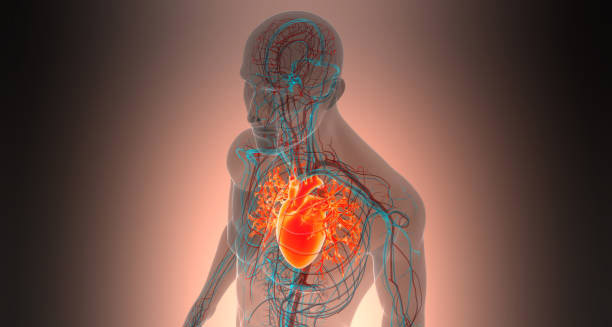
3D medical illustration of human anatomy with glowing heart, highlighting heart attack diagnosis

Diagnosis of Heart Attack

Diagnosis of Heart Attack Accurate diagnosis of heart attack is critical for initiating timely treatment, preventing complications, and improving survival. The diagnosis of heart attack involves a combination of clinical evaluation, electrocardiography, blood testing, and imaging. Early identification allows healthcare providers to quickly restore blood flow to the affected heart muscle, minimising permanent damage. The process begins with a detailed clinical assessment. Doctors evaluate the patient’s symptoms, medical history, and risk factors such as high blood pressure, smoking, or diabetes. Typical signs of a heart attack include chest discomfort, radiating pain, shortness of breath, and sweating. However, symptoms can be atypical—especially in women, the elderly, or those with diabetes—highlighting the importance of clinical experience and suspicion. The electrocardiogram (ECG or EKG) is the first and most essential diagnostic tool. It measures the electrical activity of the heart and helps identify patterns indicative of myocardial infarction. ST-segment elevation on the ECG often points to a more severe type of heart attack known as STEMI (ST-Elevation Myocardial Infarction). Non-ST elevation changes, or NSTEMI, may also suggest a heart attack but require additional confirmation. Diagnosis of Heart Attack Blood tests play an important role in heart attack care. When heart muscle cells get damaged, they release certain proteins into the blood. The most common proteins doctors check are cardiac troponins (troponin I and T). These proteins show up only when the heart muscle is hurt. High levels help doctors confirm a heart attack and see how bad it is or if it’s getting better. Sometimes, doctors use extra imaging tests. For example, an echocardiogram shows the heart pumping in real time. It helps find parts of the heart that don’t move well because of damage. Another test, called coronary angiography, uses a thin tube (catheter) to look at blocked arteries and guide treatments like stents or angioplasty. Doctors also use chest X-rays to rule out other problems like pneumonia or heart failure. Stress tests or CT coronary angiograms usually happen later during follow-up, not during the emergency. Doctors must also quickly rule out other serious conditions that look like a heart attack. These include blood clots in the lungs (pulmonary embolism), tears in the aorta (aortic dissection), or inflammation around the heart (pericarditis). Emergency staff train to tell these apart fast, so patients get the right treatment. Diagnosing a Heart Attack To sum up, doctors diagnose heart attacks by spotting symptoms early, checking with ECG and blood tests, and using images to see how much damage happened. Acting fast and accurately helps lower risks and saves lives. [Next: Symptoms of Heart Attack →]

Diagnosis of Heart Attack Read More »

Elderly man clutching chest in pain showing symptoms of a heart attack

Symptoms of Heart Attack

Symptoms of Heart Attack Recognising the symptoms of heart attack is crucial for initiating lifesaving treatment. The symptoms of heart attack can present in a variety of ways depending on the individual’s age, sex, medical history, and even emotional state. While chest pain is the hallmark symptom, many other warning signs may occur, including those that are more subtle, especially in women, older adults, and people with diabetes. The most classic and widely recognised symptom is chest discomfort. This is often described as pressure, tightness, squeezing, heaviness, or pain in the centre or left side of the chest. The pain may feel like a belt being tightened or an elephant sitting on the chest. It usually lasts more than a few minutes and may come and go. Importantly, not all chest pain is severe—some heart attacks cause only mild or even atypical discomfort. Pain may radiate to other areas of the upper body. Commonly affected regions include the left arm, shoulders, neck, jaw, upper back, and occasionally the right arm. This radiating discomfort can be constant or intermittent and may be mistaken for muscle strain, indigestion, or anxiety. Symptoms of Heart Attack Shortness of breath is another common symptom, and it can occur with or without chest pain. It may feel like the person can’t take a deep breath or is suffocating. This symptom is especially common in women and older adults and may occur while resting or with exertion. Other physical symptoms can include: Cold sweats or excessive perspiration unrelated to heat or exertion Nausea or vomiting Light-headedness, dizziness, or fainting Palpitations or a racing heart Extreme fatigue or a sense of weakness, particularly with exertion A sense of impending doom or anxiety without a clear cause Women are more likely to experience atypical symptoms. Instead of the classic crushing chest pain, they may feel unusual fatigue, discomfort in the upper abdomen, indigestion, or back pain. Because these symptoms can be vague or attributed to non-cardiac conditions, they often delay treatment. Some people, particularly those with diabetes, may experience a “silent” heart attack with no noticeable symptoms. In these cases, the heart attack may only be discovered incidentally during routine tests or evaluations for other complaints. This highlights the importance of regular screening and understanding personal risk factors. It’s important to understand that the presence of these symptoms—especially in combination—should never be ignored. When in doubt, it is safer to seek medical attention than to wait. Emergency services should be contacted immediately if a heart attack is suspected, as early treatment greatly reduces the risk of long-term damage and death. Symptoms of Heart Attack In conclusion, the symptoms of heart attack go beyond just chest pain. Being aware of the broad spectrum of signs and acting quickly can make a critical difference in survival and recovery. [Next: Treatment of Heart Attack →]

Symptoms of Heart Attack Read More »

Scroll to Top