Mental Matters

Health & Wellness

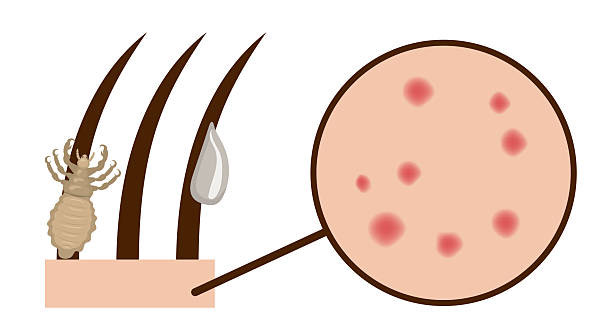
Diagram showing head lice, eggs on hair shafts, and red scalp irritation under magnification

Head Lice

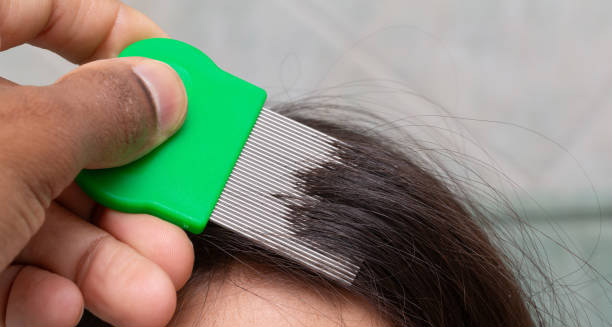
Head Lice Head lice are tiny, wingless parasitic insects that live on the human scalp and feed on blood. Infestations are common, particularly among school-aged children, and are not a sign of poor hygiene or socioeconomic status. The condition caused by these parasites is known as pediculosis capitis. Head lice are highly contagious, spreading primarily through direct head-to-head contact, although sharing personal items such as combs, hats, or bedding can occasionally contribute. Each adult louse is about the size of a sesame seed and can lay multiple eggs, known as nits, per day. These nits are attached firmly to the hair shaft near the scalp and hatch within 7 to 10 days. Newly hatched lice (nymphs) mature into adults over the next 9–12 days, continuing the cycle unless properly treated. Head lice survive for approximately 30 days on the scalp but usually die within one to two days without a host. Although not dangerous or known to transmit disease, head lice can cause significant discomfort. The most common symptom is intense itching, triggered by an allergic reaction to louse saliva. Scratching can lead to secondary bacterial infections, scalp irritation, and disturbed sleep. The social stigma associated with lice infestation can also cause emotional distress, particularly in children. Head Lice Contrary to popular belief, head lice cannot jump or fly—they crawl. This means that transmission requires close contact, making environments like schools, nurseries, and sleepovers ideal for spread. While pets do not play a role in transmission, siblings or household members can easily become infested through shared living spaces and activities. Head lice infestations are not restricted to any one demographic group and affect children and adults of all hair types. Girls tend to have higher rates of infestation, possibly due to more frequent close contact and longer hair. Regular screening and prompt treatment help minimise outbreaks and reduce the cycle of reinfestation common in group settings. In most cases, head lice infestations are diagnosed visually by identifying live lice or nits close to the scalp. Comb-based methods using a fine-toothed louse comb are particularly effective for detection and should be used under good lighting. Nits located more than a centimetre from the scalp are often empty shells and not necessarily indicative of active infestation. Head Lice While head lice may cause alarm, they do not carry disease and are considered more of a nuisance than a health threat. Public health recommendations increasingly emphasise education and non-exclusion policies in schools to prevent unnecessary absenteeism and stigma. [Next: Causes of Head Lice →]
Head Lice Read More »

Causes of Head Lice

Causes of Head Lice

Causes of Head Lice The primary causes of head lice infestations are related to direct human contact, particularly prolonged head-to-head interaction. The causes of head lice do not involve poor hygiene or dirty environments, as lice can infest clean hair just as easily as unwashed hair. Understanding the transmission and life cycle of lice is key to preventing spread and managing outbreaks effectively. The main mode of transmission is direct head-to-head contact. This occurs frequently in schools, daycare centres, and camps where children often play or sit closely together. Lice crawl from one scalp to another when hair strands touch. Although they cannot jump or fly, their strong claws allow them to grip tightly to hair shafts and transfer during close encounters. Shared personal items may also contribute to spread, although this is far less common. Items such as hairbrushes, hats, scarves, pillowcases, headphones, and helmets can carry lice or nits for a short period. Because lice cannot survive long without a human host, indirect transmission through objects is not as efficient or frequent as direct contact. Causes of Head Lice Certain environments and behaviours increase the risk of infestation. Group activities like sleepovers, sports practices, or shared seating on buses or in classrooms provide opportunities for lice to spread. Children are more susceptible due to their increased physical contact and lack of awareness about personal space. Family members of an infested individual are at higher risk due to shared living quarters and close proximity. Transmission often occurs during cuddling, co-sleeping, or sharing grooming tools. Schools and childcare settings may see rapid spread if infestations go undetected or untreated. Hair length and style can also influence risk. Long or loose hair is more likely to come into contact with others, especially during play or physical interaction. However, lice infestation is not limited to any specific hair type, colour, or texture. There is no association between head lice and socioeconomic status. Infestations occur globally, across diverse populations and living conditions. The misconception that lice are a result of poor hygiene can lead to unnecessary stigma and emotional distress for affected individuals. Causes of Head Lice Close-knit communities, such as boarding schools or group housing environments, are particularly vulnerable to outbreaks due to frequent close interactions and limited awareness of early symptoms. Regular screening and public education play an important role in reducing these risks. Understanding the causes of head lice equips caregivers, teachers, and healthcare providers to take timely preventive action. Encouraging routine checks, teaching children not to share personal items, and fostering open communication about symptoms are all crucial in managing and preventing infestations.[Next: Diagnosis of Head Lice →]

Causes of Head Lice Read More »

Diagnosis of Head Lice

Diagnosis of Head Lice

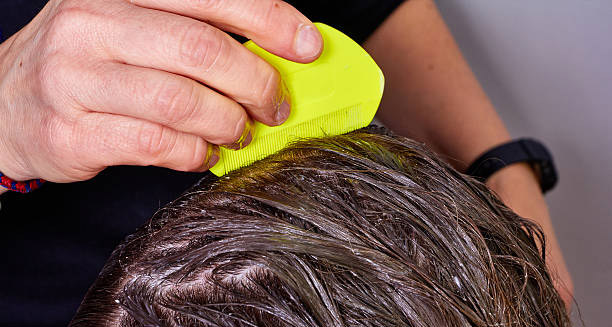
Diagnosis of Head Lice Accurate diagnosis of head lice is essential for confirming active infestations and distinguishing lice from other scalp conditions. A timely diagnosis of head lice allows for appropriate treatment and helps prevent further spread within families, schools, and communities. The most effective diagnostic method is a thorough visual examination of the scalp and hair, particularly behind the ears and at the nape of the neck—areas where lice are most commonly found. While adult lice are small and move quickly, making them difficult to detect, nits (lice eggs) are easier to identify. Nits appear as tiny white or yellowish oval-shaped specks firmly attached to hair shafts, typically within 6 millimetres of the scalp. They are often mistaken for dandruff or hair product residue, but unlike dandruff, nits cannot be brushed away easily. A fine-toothed louse comb is a highly effective tool for diagnosis. Using the comb on wet, conditioned hair slows down lice movement and makes them easier to remove and identify. Combing should be done in good lighting, and the comb should be wiped on a white tissue or cloth after each stroke to check for lice or nits. This method not only helps detect live lice but also provides an opportunity to monitor treatment progress. Diagnosis of Head Lice Sometimes, false positives occur when old, empty nits or hair debris are misidentified as signs of active infestation. Nits located more than a centimetre from the scalp are typically non-viable, as lice eggs need warmth from the scalp to hatch. Hence, the presence of such nits alone should not be used to determine the need for treatment. In uncertain cases, a healthcare professional can assist with diagnosis. Microscopic examination of hair samples may be used in clinical settings to confirm the presence of lice or eggs. However, this is rarely necessary outside of special circumstances or research contexts. It is important to differentiate head lice from other scalp conditions such as dandruff, seborrhoeic dermatitis, or psoriasis, which can also cause itching and flaking. Misdiagnosis can lead to unnecessary treatment, cost, and distress. Diagnosis of Head Lice Routine head checks, especially in children who have been exposed to confirmed cases, can help with early detection. Parents, teachers, and healthcare providers should collaborate to ensure checks are carried out sensitively and respectfully to avoid embarrassment or stigma. In conclusion, the diagnosis of head lice is a straightforward but crucial step in managing infestations effectively. Early and accurate identification prevents transmission, reduces social stigma, and ensures that treatment is both timely and appropriate. [Next: Symptoms of Head Lice →]

Diagnosis of Head Lice Read More »

Person parting hair and scratching scalp to check for head lice symptoms

Symptoms of Head Lice

Symptoms of Head Lice The symptoms of head lice vary depending on the level of infestation, individual sensitivity, and duration of exposure. While some people experience intense discomfort, others may remain asymptomatic for days or even weeks, allowing lice to spread unknowingly. Recognising the symptoms of head lice early is key to initiating treatment and preventing further transmission. The most common symptom is persistent itching of the scalp. This itchiness results from an allergic reaction to the saliva lice release when feeding on blood. In individuals who are highly sensitive, even a few lice can cause intense irritation. For others, itching may be minimal or delayed, making infestations more difficult to detect without visual inspection. Scratching due to itchiness can lead to additional complications. Broken skin may become red, sore, or crusty, creating entry points for secondary bacterial infections. In some cases, swollen lymph nodes in the neck or behind the ears may occur as a result of infection. Children may complain of a tickling sensation or feeling of movement in the hair. Symptoms of Head Lice Small red bumps or bite marks on the scalp, neck, or shoulders can also signal an active infestation. These lesions are usually the result of repeated feeding and scratching. In more advanced cases, especially those left untreated, the scalp may become inflamed or exhibit signs of dermatitis. Another noticeable sign is the presence of nits. These tiny, oval eggs are glued to individual strands of hair and are most often found close to the scalp, particularly behind the ears and near the neckline. Unlike dandruff, which can be easily dislodged, nits are firmly attached and require manual removal. Finding viable nits indicates that lice are active and reproducing. Behavioural symptoms in children may also indicate an infestation. Increased irritability, difficulty sleeping, and restlessness are common, especially as lice are more active at night. Some children may show avoidance of hair brushing or display signs of distress during grooming routines. Symptoms of Head Lice Social and emotional impacts are frequently reported, particularly in school settings where stigma and embarrassment can lead to isolation or bullying. Addressing these concerns with sensitivity and education is essential to ensuring children receive the care and support they need. In summary, the symptoms of head lice are primarily dermatological and behavioural. Awareness of these symptoms, combined with regular head checks and open communication, is vital for timely intervention and effective management of infestations. [Next: Treatment of Head Lice →]

Symptoms of Head Lice Read More »

Person applying natural oil treatment to scalp for head lice removal

Treatment of Head Lice

Treatment of Head Lice Effective treatment of head lice aims to eradicate live lice and their eggs while minimising reinfestation. The process involves both chemical and mechanical methods, and a comprehensive treatment of head lice plan includes education, environmental control, and follow-up screening. The key to success lies in using safe, evidence-based treatments while maintaining good hygiene practices. Topical insecticides are the most common first-line treatment. Permethrin 1% lotion is widely used and available over-the-counter in many countries. It is applied to damp hair and left on for ten minutes before rinsing. Pyrethrin-based products, often combined with piperonyl butoxide, are another option. Both types work by paralysing and killing live lice, though resistance is increasingly common in some areas. Re-treatment is usually necessary 7–10 days after the initial application to kill newly hatched lice. Prescription treatments may be required when over-the-counter options fail. These include malathion lotion, benzyl alcohol lotion, spinosad topical suspension, and ivermectin lotion. Malathion is highly effective but flammable and should be used with caution. Ivermectin and spinosad not only kill live lice but also reduce the need for nit removal due to their ovicidal effects. Treatment of Head Lice Manual removal is an essential part of treatment. Wet combing with a fine-toothed lice comb helps physically remove lice and nits from the hair. Conditioner applied to wet hair immobilises the lice, making them easier to capture. Combing should be done in sections under bright light and repeated every few days for two weeks to ensure all lice are removed. Home remedies such as tea tree oil, coconut oil, vinegar, and mayonnaise are popular but lack consistent scientific support. These substances may suffocate lice but are not reliably ovicidal and often require repeated use. They should not be considered primary treatment and may cause allergic reactions in sensitive individuals. Environmental cleaning supports the eradication of lice. Although lice survive only 1–2 days off the scalp, items in close contact with the hair should be cleaned. Wash bedding, hats, scarves, and clothing in hot water and dry on a high heat cycle. Items that cannot be washed can be sealed in plastic bags for 48–72 hours. Vacuuming furniture, carpets, and car seats can remove shed hairs with attached nits, though extensive cleaning is not necessary. Treatment of Head Lice Schools and childcare centres should follow local public health guidelines. Exclusion from school is no longer routinely recommended in many countries, as lice are not considered a public health hazard. However, discretion and communication with caregivers remain vital in managing outbreaks and reducing transmission. Family members should be screened, and only those with active infestations should be treated. Prophylactic treatment of uninfested individuals is discouraged due to potential resistance and unnecessary exposure to chemicals. Re-treatment and follow-up are essential. A second application of treatment and continued combing are often necessary to break the lice life cycle. If live lice persist after two treatments, resistance should be suspected, and alternative therapies or professional advice sought. Treatment of Head Lice The psychological burden of treatment—especially for children—can be significant. Reassurance, education, and consistent routines help reduce stress and stigma. Supporting families through the process improves compliance and outcomes. In conclusion, the treatment of head lice requires an integrated approach using effective topical products, manual removal, environmental hygiene, and education. When applied consistently and correctly, these strategies lead to complete resolution and help prevent recurrence. [Next: Complications of Head Lice →]

Treatment of Head Lice Read More »

Close-up of lice comb being used to remove head lice from a child’s hair

Complications of Head Lice

Complications of Head Lice While typically not serious, the complications of head lice can still impact physical health, emotional wellbeing, and social interactions if infestations are not promptly addressed. Recognising and managing the complications of head lice early is important to prevent secondary issues and minimise disruption, particularly among school-aged children. One of the most common complications is skin irritation due to persistent scratching. Repeated trauma to the scalp can cause excoriations—small breaks in the skin—that may become red, swollen, or scabbed. These open areas serve as entry points for bacteria, increasing the risk of secondary infections such as impetigo, a contagious skin infection caused by Staphylococcus or Streptococcus species. Infections from scratching may lead to swollen lymph nodes in the neck or behind the ears. If left untreated, these infections can worsen and may require antibiotics. In rare cases, cellulitis, a deeper skin infection, may occur. Complications of Head Lice Sleep disturbances are another common consequence, especially in children. As lice are more active in the dark, nighttime itching can lead to disrupted sleep patterns, fatigue, and irritability. This sleep deprivation may affect concentration, behaviour, and school performance. Psychological and social complications are significant. Children and adolescents with head lice often face embarrassment, teasing, or bullying from peers. This can lead to anxiety, low self-esteem, and social withdrawal. The stigma surrounding lice often leads families to conceal infestations, delaying treatment and facilitating further spread. Parental stress and frustration can also become a complication, especially when infestations are persistent or affect multiple family members. Misconceptions about hygiene and cleanliness may lead to feelings of guilt, shame, or conflict within households. Complications of Head Lice Improper treatment can result in additional problems. Overuse of insecticidal products or application of unapproved home remedies can irritate the scalp, cause chemical burns, or lead to allergic reactions. In rare cases, misuse of highly flammable products like malathion has led to safety incidents. Over-cleaning of the home in response to lice can result in unnecessary stress, time consumption, and financial cost. Parents may spend hours washing items and purchasing multiple treatments or cleaning products, often far beyond what is needed to eliminate lice effectively. Reinfestation is another frustrating outcome. It can occur if live lice or viable nits are missed during treatment, or if close contacts are not examined and treated. Without proper follow-up, the lice cycle resumes, prolonging the issue. Complications of Head Lice In conclusion, the complications of head lice are largely preventable with proper identification, treatment, and education. Addressing both the physical and emotional consequences ensures better outcomes and reduces the burden on affected individuals and families. [Next: Prevention of Head Lice →]

Complications of Head Lice Read More »

Person using a yellow fine-tooth comb to check wet hair for lice prevention

Prevention of Head Lice

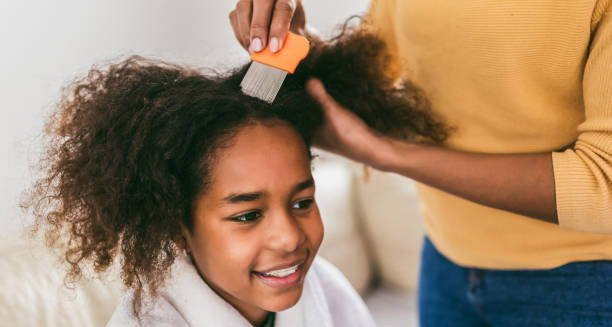
Prevention of Head Lice The most effective prevention of head lice involves a combination of education, vigilance, and hygiene practices that minimise opportunities for transmission. Since lice are spread mainly through direct head-to-head contact, preventing infestation requires awareness, especially in group settings such as schools and childcare centres. The prevention of head lice is not about eliminating risk entirely but about reducing exposure and promoting early detection. One of the most important strategies is routine screening. Parents and caregivers should check children’s hair regularly, particularly if there has been an outbreak in the community or school. Using a fine-toothed lice comb on wet, conditioned hair is an effective way to detect lice early before a full-blown infestation occurs. Avoiding head-to-head contact is key in stopping transmission. Children should be encouraged to keep their heads apart during play, reading time, or naps. Although this can be difficult to enforce, especially with younger children, teaching awareness and maintaining personal space is a helpful step. Prevention of Head Lice Discouraging the sharing of personal items is another fundamental measure. Items such as hairbrushes, combs, hats, scarves, hair accessories, headphones, and bedding should not be shared, particularly during active outbreaks. In households, siblings should have their own grooming tools and storage for personal items. Education is vital for both adults and children. Providing accurate information about how lice spread—and more importantly, how they do not—helps reduce unnecessary fear and social stigma. Educators, school nurses, and childcare workers should be trained to recognise symptoms and respond with discretion and compassion. Environmental hygiene plays a secondary but supportive role. Lice cannot survive long without a host, so excessive cleaning is generally not necessary. However, it’s still advisable to wash clothing and linens used by an infested person and to vacuum shared furniture and car seats. Prevention of Head Lice Hair management can contribute to prevention. Keeping long hair tied back in braids, buns, or ponytails may reduce the chances of lice spreading between individuals. Hair products such as tea tree oil-based sprays are sometimes used as a deterrent, although their efficacy is not consistently supported by research. In institutions such as schools and daycares, clear policies on lice prevention and management are essential. These should promote early identification and treatment without punitive measures or unnecessary exclusion, which can contribute to stigma. Open communication with families fosters trust and cooperation, making prevention efforts more effective. Preventing reinfestation is part of the broader prevention strategy. Once a person has been treated, rechecking and re-combing should be done over the following weeks. Household members should be screened, and any additional cases managed promptly. Prevention of Head Lice Ultimately, the prevention of head lice is a shared responsibility between families, schools, and healthcare providers. When everyone is informed and proactive, infestations can be minimised and managed with minimal disruption. [Next: Outlook for Head Lice →]

Prevention of Head Lice Read More »

Smiling child having hair combed with a lice comb during head lice treatment

Outlook for Head Lice

Outlook for Head Lice The long-term outlook for head lice is generally favourable. While infestations can be disruptive and frustrating, they do not pose a serious health risk when properly managed. The outlook for head lice depends on timely treatment, accurate diagnosis, and the prevention of reinfestation. With the right approach, most cases are resolved within a couple of weeks. Treatment advancements and public awareness have contributed to quicker resolution times. Over-the-counter and prescription products are highly effective when used as directed. Complementing chemical treatments with mechanical removal via wet combing further enhances outcomes. Reinforcement of follow-up and environmental hygiene reduces the likelihood of recurrence. Although head lice can be persistent, particularly in group living environments, repeat infestations are not a sign of treatment failure. Instead, they often result from missed eggs or contact with untreated individuals. With consistent follow-up, including second applications of treatment and combing protocols, infestations can be fully eradicated. Outlook for Head Lice The psychological and social impact of head lice may take longer to resolve. Embarrassment, bullying, and stigma continue to affect many children and families. Therefore, addressing the emotional effects and promoting open, non-judgmental dialogue about lice is essential for improving the overall outlook. Schools and communities that adopt inclusive, science-based policies see better health outcomes and reduced absenteeism. By moving away from exclusion and toward early intervention and education, institutions can protect student wellbeing while avoiding disruption to learning. For families, it helps to make a clear lice plan early on. First, they can check for lice often. Next, they can learn about the different ways to treat it. Then, they can keep the needed supplies at home. Because of this, they can stay calm and act fast if lice show up. Also, talking often with a doctor or nurse makes it easier to fix any problems with treatment right away. Outlook for Head Lice To sum up, getting rid of head lice usually goes well when people treat the problem with care and act kindly. As a result, most cases can be handled without too much trouble. Though inconvenient, head lice are easily treatable and preventable. With a well-informed, proactive approach, families and schools can effectively manage outbreaks and support affected individuals without undue anxiety or disruption. [Next: Back to Overview →]

Outlook for Head Lice Read More »

Woman sneezing into a tissue in a field of yellow flowers during hay fever season

Hay Fever

Hay Fever Hay fever, also known as allergic rhinitis, is a common allergic condition that affects millions of people globally, particularly during seasonal peaks. Characterised by inflammation of the nasal passages in response to allergens such as pollen, dust mites, pet dander, and mould, hay fever can significantly impair quality of life. Even though it’s called “hay fever,” the condition isn’t caused by hay and doesn’t cause a fever. Rather, it is a misnomer dating back to early observations of pollen-induced symptoms in agricultural environments. The immune system of individuals with this condition overreacts to harmless substances, treating them as threats. Upon exposure, the immune system releases histamine and other inflammatory chemicals, leading to the hallmark symptoms: sneezing, nasal congestion, itchy eyes, runny nose, and sinus pressure. These symptoms can be episodic or persistent depending on the type of allergen and the individual’s level of sensitivity. There are generally two types of hay fever: seasonal allergic rhinitis and perennial allergic rhinitis. Airborne pollens from trees, grasses, and weeds are usually the main triggers for seasonal allergic rhinitis. Furthermore, it tends to flare up during spring, summer, and early autumn. Perennial allergic rhinitis, on the other hand, can occur year-round and is often linked to indoor allergens like pet fur, dust mites, or mould spores. Hay Fever The severity of this condition varies widely among individuals. Some may experience mild, occasional symptoms, while others endure severe, persistent issues that disrupt sleep, concentration, and daily functioning. In children, hay fever may impact school performance and contribute to behavioural difficulties. In adults, it causes fatigue, reduced productivity, and decreased social participation. Hay fever often coexists with other allergic conditions such as asthma, eczema, and sinusitis. Experts refer to this clustering of allergic diseases as part of a broader immune pattern known as the “atopic triad.” . People with one allergic condition are more likely to develop others due to shared genetic and environmental risk factors. In some cases, unmanaged hay fever can exacerbate asthma symptoms or lead to recurrent sinus infections. The impact of hay fever extends beyond physical discomfort. Psychological distress, including irritability, mood swings, and anxiety, is commonly reported, particularly in those with chronic or poorly managed symptoms. As a result, comprehensive management strategies that address both physical and emotional wellbeing are essential. Hay Fever While this condition is not life-threatening, its high prevalence and chronic nature make it a substantial public health issue. In many countries, it ranks among the top reasons for missed workdays, school absenteeism, and over-the-counter medication use. Its burden on healthcare systems and the economy is often underestimated due to its non-serious reputation. Fortunately, a range of treatments and preventive measures can help control symptoms and improve quality of life. These include antihistamines, nasal corticosteroids, decongestants, allergen avoidance, and in some cases, immunotherapy. A personalised, proactive approach is the cornerstone of effective hay fever management. [Next: Causes of Hay Fever →]

Hay Fever Read More »

3D render of airborne pollen particles floating in a blue sky, causing hay fever

Causes of Hay Fever

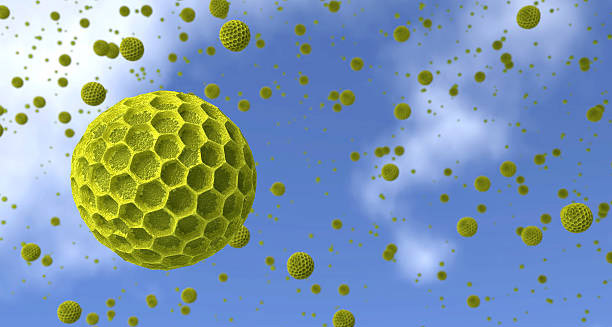
Causes of Hay Fever The underlying causes of hay fever stem from an overactive immune response to normally harmless environmental substances. These substances, known as allergens, trigger the body’s immune system to release inflammatory mediators—primarily histamine—that cause the characteristic symptoms. Understanding the causes of hay fever is crucial for identifying triggers, selecting appropriate treatments, and implementing effective prevention strategies. The most common allergens that cause hay fever include pollen, dust mites, pet dander, mould spores, and cockroach debris. Seasonal hay fever is predominantly caused by pollen from grasses, trees, and weeds. Tree pollen tends to be most problematic in early spring, grass pollen in late spring and summer, and weed pollen in late summer to early autumn. Individuals may react to one or multiple pollen types, depending on their geographic location and genetic predisposition. Perennial hay fever happens all year and usually starts because of indoor allergens. Dust mites grow well in bedding, soft furniture, and carpets. Mould often appears in damp places like bathrooms and kitchens. Pet dander—tiny skin flakes from cats, dogs, and other animals—can stay in our homes long after the pets are gone. These allergens can lead to chronic nasal inflammation and other respiratory symptoms. Causes of Hay Fever Genetics play a significant role in the development of hay fever. Individuals with a family history of allergies, asthma, or eczema are at higher risk of developing allergic rhinitis. This inherited predisposition to allergic conditions is referred to as atopy. Environmental factors during early life, such as exposure to tobacco smoke, air pollution, and microbial diversity, may also influence the development of allergic sensitivities. People who live in cities and follow modern lifestyles often have higher rates of hay fever. This may happen because they breathe in more air pollution and spend less time in natural environments. The “hygiene hypothesis” suggests that reduced microbial exposure in early childhood may impair immune system development and increase susceptibility to allergic diseases. Researchers are still studying this theory to see if it helps explain why allergic disorders are increasing around the world. Climate change has also impacted the causes of hay fever. Rising temperatures and increased carbon dioxide levels could possibly contribute to longer pollen seasons and higher pollen production. This intensification of airborne allergens contributes to earlier onset and more prolonged hay fever symptoms for affected individuals. Causes of Hay Fever In some cases, occupational exposure can cause or worsen hay fever. People who work in farming, floristry, veterinary care, cleaning, or baking often come into contact with high levels of certain allergens. As a result, their risk of developing symptoms may be higher. Continued exposure without protective measures can lead to sensitisation and persistent allergic symptoms. Understanding the causes of hay fever empowers individuals and healthcare providers to take preventive action. Identifying specific triggers through allergy testing, environmental assessment, and symptom tracking is essential for creating an effective management plan tailored to each individual’s needs. [Next: Diagnosis of Hay Fever →]

Causes of Hay Fever Read More »

Scroll to Top