Mental Matters

Health & Wellness

Man looking into pants with question marks symbolising genital herpes complications

Complications of Genital Herpes

Complications of Genital Herpes The complications of genital herpes are rare but can be serious when they do occur. Genital herpes, when properly managed, is a relatively mild condition for most people. However, if left untreated or if the immune system is compromised, the virus can lead to additional health issues — both physical and emotional. Understanding potential complications reinforces the importance of early diagnosis, appropriate treatment, and ongoing self-care. Secondary Infections Open sores from herpes are vulnerable to bacterial infections, particularly in individuals with poor hygiene or a weakened immune system. These secondary infections may cause: Increased pain and swelling Delayed healing Pus or discharge from sores Fever or red streaks near the affected area Mild bacterial infections can usually be treated with topical or oral antibiotics. In rare cases, they may require further medical attention. Urinary Retention In severe outbreaks — especially during the primary infection — some individuals may experience urinary retention due to swelling, pain, or lesions near the urethra. This is more common in women and can lead to: Incomplete emptying of the bladder Painful urination A need for catheterisation if the bladder becomes overly distended Prompt medical support is crucial to prevent further complications such as bladder infections. Proctitis and Rectal Inflammation Individuals who engage in receptive anal intercourse may experience inflammation of the rectum, known as herpetic proctitis. Symptoms include: Rectal pain or itching Mucus discharge Bleeding during bowel movements A sensation of fullness or pressure This complication is more commonly associated with HSV-2 and may occur without external genital sores. Antiviral medication helps resolve symptoms quickly. Neonatal Herpes One of the most serious complications is neonatal herpes, a rare but potentially life-threatening condition that occurs when a baby is exposed to HSV during childbirth. Risk factors include: A first-time genital herpes infection in the third trimester Active sores at the time of labour Prolonged rupture of membranes Neonatal herpes can affect the baby’s skin, eyes, brain, or other organs. To prevent this: Pregnant individuals with known herpes may take suppressive antivirals from 36 weeks onward If active lesions are present during labour, a C-section is often recommended With proper antenatal care, the risk of neonatal herpes is extremely low. Psychological and Social Impact The emotional toll of herpes can be long-lasting if not addressed. People may experience: Chronic anxiety about future outbreaks or disclosure Depression or feelings of worthlessness Avoidance of intimacy or dating Social withdrawal due to perceived stigma This emotional burden can affect mental health, work performance, and personal relationships. Access to counselling, education, and peer support groups can help individuals rebuild confidence and self-image. Increased Risk of HIV Research shows that people with genital herpes are at higher risk of contracting HIV if exposed. This is due to: Open sores or micro-tears, which make it easier for HIV to enter the bloodstream The presence of inflammatory cells that attract HIV Increased viral shedding during outbreaks This underscores the importance of consistent condom use, STI testing, and suppressive therapy in managing sexual health. Herpetic Whitlow and Eye Infections In rare cases, herpes can spread from the genitals to other parts of the body through direct contact. These complications include: Herpetic whitlow – a painful finger infection caused by autoinoculation (touching a sore and then touching a broken area on the finger) Herpes keratitis – an infection of the eye, potentially leading to vision problems if not treated early Good hygiene, especially handwashing after touching sores, reduces the risk of these secondary issues. Long-Term Outlook For most individuals, genital herpes becomes less disruptive over time. Outbreaks may decrease in frequency, and the emotional distress associated with the condition tends to improve as people gain knowledge and confidence in managing it. Suppressive therapy, lifestyle changes, and emotional support allow people with herpes to: Maintain healthy sexual relationships Have children safely Live full, empowered lives Complications of Genital Herpes Recognising and addressing the complications of genital herpes enables early intervention, prevents escalation, and encourages a compassionate, stigma-free approach to sexual health. [Next: Back to Overview →]
Complications of Genital Herpes Read More »

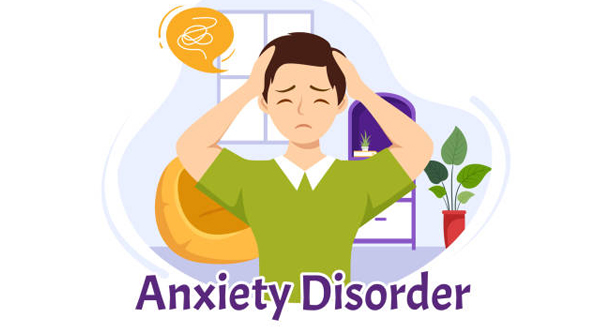
Illustration of a man with hands on head showing signs of generalised anxiety disorder

Generalised Anxiety Disorder

Generalised Anxiety Disorder Generalised anxiety disorder is a long-term mental health condition characterised by persistent, excessive, and often uncontrollable worry about various aspects of daily life. People with generalised anxiety disorder find themselves frequently overwhelmed by anxious thoughts, even in the absence of specific triggers. Unlike occasional worry that comes and goes with stressful situations, this condition creates a constant sense of dread, tension, and fear that interferes with work, relationships, and general wellbeing. Everyone experiences anxiety from time to time — it’s a normal human response to uncertainty or potential threat. However, when this anxiety becomes chronic and disproportionate. Affecting someone on most days for at least six months, it may be diagnosed as generalised anxiety disorder (GAD). This condition is one of the most common anxiety disorders globally and affects millions of people, including both adults and children. It often coexists with other mental health conditions, such as depression or panic disorder, making diagnosis and treatment more complex. People with GAD often describe their anxiety as free-floating. Rather than focusing on a single issue, they worry about a wide range of topics, including finances, family, work, health, relationships, and even global events. They may wake up feeling tense or find it difficult to relax throughout the day, even when everything around them appears calm. Living With Uncertainty A key feature of generalised anxiety disorder is intolerance of uncertainty. Many individuals struggle with “what if” scenarios, continually imagining worst-case outcomes for even minor issues. This need for reassurance and predictability can lead to avoidance behaviours, repetitive checking, and over-preparation — all in an effort to manage or eliminate perceived threats. Unfortunately, these behaviours tend to reinforce the anxiety rather than relieve it. How It Feels The emotional toll of generalised anxiety disorder can be profound. People often report feeling constantly “on edge,” as if something bad is about to happen. This state of heightened alertness makes it difficult to concentrate, engage socially, or sleep well. Over time, chronic anxiety can lead to fatigue, irritability, and physical symptoms such as muscle tension, gastrointestinal problems, and headaches. Family and friends may not always understand what someone with GAD is going through. Because the anxiety is often internalised and not based on obvious dangers, it can be mistaken for being overly sensitive, dramatic, or even irrational. This can cause individuals with GAD to withdraw or feel isolated, further compounding their distress. Prevalence and Impact Generalised anxiety disorder is one of the most prevalent mental health conditions in the world. In the UK alone, it is estimated that over 6% of people will experience GAD at some point in their lives, with women being more likely than men to be affected. It often begins in adolescence or early adulthood, but it can develop at any age. Without treatment, the condition may persist for years, fluctuating in intensity and occasionally being misdiagnosed as physical illness due to the wide range of symptoms. Generalised Anxiety Disorder While the exact cause of GAD is unknown, research suggests a combination of genetic, biological, environmental, and psychological factors. Understanding these causes is key to identifying those at risk and developing effective treatment strategies. [Next: Causes of Generalised Anxiety Disorder →]

Generalised Anxiety Disorder Read More »

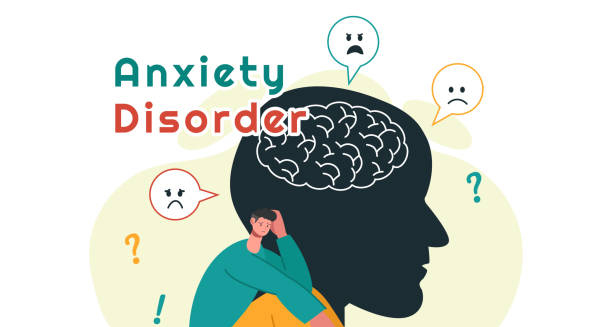
Illustration showing causes of generalised anxiety disorder with sad faces and a distressed figure

Causes of Generalised Anxiety Disorder

Causes of Generalised Anxiety Disorder The causes of generalised anxiety disorder are complex and not fully understood. Generalised anxiety disorder is believed to arise from a combination of genetic, environmental, psychological, and neurological factors. No single cause explains why some people develop GAD while others do not, but several contributing elements have been identified that may increase a person’s risk. Genetic Predisposition Genetics play a significant role in the development of generalised anxiety disorder. Studies have shown that anxiety disorders can run in families, suggesting a hereditary component. Individuals with a close relative (such as a parent or sibling) who has an anxiety disorder are more likely to develop one themselves. However, genetics alone do not determine someone’s fate — they simply increase vulnerability. It’s also important to note that inherited traits may influence personality characteristics, such as being more emotionally sensitive or having a tendency toward perfectionism. These personality traits, in turn, can make someone more susceptible to developing GAD in the face of life stressors. Brain Chemistry and Neurological Factors Neurotransmitters — chemical messengers in the brain — play a crucial role in regulating mood and anxiety. In people with GAD, the functioning of neurotransmitters such as serotonin, dopamine, and gamma-aminobutyric acid (GABA) may be disrupted. GABA, in particular, is responsible for calming brain activity and helping people feel relaxed. Low levels of GABA can result in increased nervous system activity and heightened feelings of worry or tension. Functional imaging studies have also revealed differences in certain brain regions associated with emotion processing, such as the amygdala and prefrontal cortex. These changes may affect how the brain responds to perceived threats or uncertain situations, leading to the constant state of worry seen in GAD. Environmental Stressors and Life Experiences Stressful life events are common triggers for the onset of generalised anxiety disorder. These can include: Childhood trauma or neglect Abusive relationships The death of a loved one Chronic illness Financial hardship or job insecurity Ongoing exposure to highly demanding environments People who grow up in households where safety or emotional stability was lacking may learn to interpret the world as unpredictable or threatening. This worldview can shape their coping mechanisms, leaving them more prone to chronic worry later in life. Long-term stress can also change the body’s physiological response to anxiety, keeping the nervous system in a state of heightened alertness. Over time, this contributes to the persistent symptoms of GAD. Personality and Cognitive Factors Certain personality types may be more likely to develop GAD. Individuals who are naturally more cautious, self-critical, or sensitive to stress tend to have a lower threshold for anxiety. Likewise, perfectionists or people with a strong need for control may struggle more with uncertainty — a hallmark trait of generalised anxiety disorder. Cognitive patterns such as catastrophising, overgeneralising, or ruminating on potential negative outcomes also play a role. These unhelpful thinking styles can reinforce anxious behaviours and make it harder to break the cycle of worry. Coexisting Conditions GAD often occurs alongside other mental health issues, such as: Depression Panic disorder Social anxiety Post-traumatic stress disorder (PTSD) Obsessive-compulsive disorder (OCD) It may also develop in response to long-term physical conditions such as chronic pain, irritable bowel syndrome (IBS), or cardiovascular disease. This connection between physical and emotional health highlights the importance of integrated care. Causes of Generalised Anxiety Disorder Understanding the causes of generalised anxiety disorder allows healthcare providers and individuals to recognise risk factors early and seek appropriate intervention, whether through therapy, lifestyle adjustments, or medical treatment. [Next: Symptoms of Generalised Anxiety Disorder →]

Causes of Generalised Anxiety Disorder Read More »

Anxious man surrounded by scribbled thoughts and words like “scared” and “failure”

Symptoms of Generalised Anxiety Disorder

Symptoms of Generalised Anxiety Disorder The symptoms of generalised anxiety disorder extend far beyond simple worry. Generalised anxiety disorder affects both the mind and body, creating a wide array of emotional, cognitive, and physical symptoms that often persist for months or even years. The hallmark symptom is excessive, uncontrollable worry that occurs more days than not for at least six months. Psychological and Emotional Symptoms Persistent worry about multiple aspects of life (e.g. health, work, relationships, finances) Feelings of dread or a constant sense that something bad is going to happen Difficulty concentrating or a sense that the mind is “going blank” Irritability, often stemming from inner restlessness or exhaustion Low mood or hopelessness, especially when anxiety feels unmanageable People with GAD often describe feeling mentally “wired” or stuck in a loop of “what if” thoughts. These thoughts are not fleeting — they dominate attention and prevent individuals from focusing on the present moment. Physical Symptoms The body responds to chronic anxiety as if it’s in a constant state of threat. As a result, people with GAD may experience: Muscle tension, especially in the neck, shoulders, and jaw Fatigue, even after adequate sleep Headaches or migraines Digestive issues, including nausea, bloating, or diarrhoea Rapid heartbeat or heart palpitations Sweating or cold hands Light-headedness or feeling faint Difficulty falling or staying asleep These physical symptoms can lead individuals to believe they have a medical condition, resulting in frequent GP visits or health anxiety. Behavioural Symptoms Avoidance of situations that may trigger anxiety Over-preparing or rehearsing conversations and events in detail Seeking constant reassurance from others Procrastination due to fear of failure or uncertainty Social withdrawal, especially when anxiety is overwhelming Children and teenagers may show symptoms differently. They might complain of stomach aches, become clingy, refuse to go to school, or have sudden outbursts of emotion. Fluctuation of Symptoms The intensity of symptoms can vary from day to day. Some people experience “good days” with manageable anxiety, followed by periods of intense worry. This inconsistency can be frustrating and confusing, especially when there’s no clear reason for the change. Functional Impact Living with GAD can interfere with daily life: Productivity at work or school may decline Relationships may suffer due to emotional withdrawal or irritability Enjoyment of hobbies or leisure activities often decreases Ongoing anxiety may lead to burnout, depression, or panic attacks Symptoms of Generalised Anxiety Disorder Recognising the symptoms of generalised anxiety disorder early is critical for diagnosis and intervention. Left untreated, the disorder can significantly diminish quality of life — but with proper support, individuals can learn to manage symptoms and regain a sense of control. [Next: Diagnosis of Generalised Anxiety Disorder→]

Symptoms of Generalised Anxiety Disorder Read More »

Female patient with head in hands during consultation with male doctor

Diagnosis of Generalised Anxiety Disorder

Diagnosis of Generalised Anxiety Disorder The diagnosis of generalised anxiety disorder is made through a comprehensive clinical assessment by a qualified mental health professional, GP, or psychiatrist. Generalised anxiety disorder is diagnosed when a person experiences persistent and excessive worry about various aspects of life on most days for at least six months, and this worry causes significant distress or functional impairment. Because anxiety is a natural and sometimes even helpful emotional response, distinguishing between normal worry and an anxiety disorder requires attention to duration, intensity, impact, and context. The key is whether the anxiety is disproportionate, chronic, and difficult to control. Diagnostic Criteria According to the Diagnostic and Statistical Manual of Mental Disorders, Fifth Edition (DSM-5), the diagnostic criteria for GAD include: Excessive anxiety and worry (apprehensive expectation), occurring more days than not for at least six months, about a number of events or activities (such as work performance, finances, or health) The person finds it difficult to control the worry The anxiety and worry are associated with three or more of the following six symptoms (with at least some symptoms present more days than not for the past six months): Restlessness or feeling on edge Being easily fatigued Difficulty concentrating or mind going blank Irritability Muscle tension Sleep disturbance (difficulty falling or staying asleep, or restless, unsatisfying sleep) For children and adolescents, only one of these six symptoms is required for a diagnosis. The anxiety must cause clinically significant distress or impairment in social, occupational, or other important areas of functioning, and must not be attributable to substance use, medical conditions, or another mental disorder (such as panic disorder or PTSD). Clinical Interview The diagnostic process begins with a detailed interview. The healthcare provider will ask about: The nature and focus of the worries How long the anxiety has been present Physical symptoms and how they affect daily life Family history of anxiety or other mental health issues Any coexisting conditions, such as depression, substance use, or trauma Patients may not always recognise that their level of worry is excessive, so input from family members or carers can sometimes be helpful, especially in paediatric cases. Screening Tools While diagnosis is primarily based on clinical judgement, validated screening tools can support the assessment. These may include: GAD-7 (Generalised Anxiety Disorder 7-item scale) – a self-reported questionnaire used to assess the severity of symptoms Hamilton Anxiety Rating Scale (HAM-A) – a clinician-administered measure of anxiety levels Beck Anxiety Inventory (BAI) – commonly used to measure physiological and cognitive aspects of anxiety These tools help monitor progress and response to treatment over time, though they are not a substitute for formal diagnosis. Ruling Out Medical Conditions Several physical conditions can mimic or worsen anxiety, so healthcare providers often perform: Physical examination Blood tests (to check thyroid function, vitamin B12, or anaemia) Cardiovascular assessments, if palpitations or chest pain are present Conditions like hyperthyroidism, perimenopause, irritable bowel syndrome (IBS), and cardiac arrhythmias may produce similar symptoms. Coexisting Disorders It’s also important to assess for other mental health disorders, such as: Depression Panic disorder OCD PTSD ADHD Social anxiety disorder These conditions often overlap with GAD, and treatment plans must be adapted accordingly. Diagnosis of Generalised Anxiety Disorder An accurate diagnosis of generalised anxiety disorder is essential to help individuals access appropriate support, understand their symptoms, and start a treatment journey that restores peace of mind and daily functioning. [Next: Treatment of Generalised Anxiety Disorder →]

Diagnosis of Generalised Anxiety Disorder Read More »

Woman covering face during medical consultation for anxiety treatment

Treatment of Generalised Anxiety Disorder

Treatment of Generalised Anxiety Disorder The treatment of generalised anxiety disorder is most effective when it combines psychological therapy, lifestyle changes, and—when appropriate—medication. Generalised anxiety disorder is a manageable condition, and most individuals who receive the right treatment experience a significant reduction in symptoms and an improved quality of life. Treatment must be tailored to the individual, considering their symptom severity, preferences, age, coexisting conditions, and previous treatment history. Psychological Therapies Psychotherapy, particularly cognitive behavioural therapy (CBT), is the most evidence-based treatment for GAD. Cognitive Behavioural Therapy (CBT) CBT helps individuals: Identify and challenge unhelpful thought patterns (e.g. catastrophising or overgeneralising) Reframe worries in a more realistic way Develop practical coping strategies Gradually face situations that trigger anxiety (exposure techniques) CBT is often delivered over 8–20 weekly sessions, either one-on-one or in a group setting. It empowers individuals to understand how thoughts, feelings, and behaviours are interconnected. Acceptance and Commitment Therapy (ACT) ACT helps people accept distressing thoughts rather than struggle against them. It encourages commitment to actions aligned with personal values, despite anxiety. Mindfulness-Based Therapies Mindfulness-based stress reduction (MBSR) and mindfulness-based cognitive therapy (MBCT) teach individuals to observe thoughts non-judgementally, helping to reduce emotional reactivity and improve present-moment awareness. Medication Medication may be recommended for moderate to severe GAD, particularly when therapy alone is not sufficient. SSRIs and SNRIs Selective serotonin reuptake inhibitors (SSRIs) such as sertraline, fluoxetine, and escitalopram are first-line medications Serotonin-norepinephrine reuptake inhibitors (SNRIs) like venlafaxine and duloxetine may also be used These antidepressants help regulate mood and reduce anxiety by increasing neurotransmitter availability It can take 2–6 weeks for medication to take effect. Side effects are usually mild and may include nausea, sleep changes, or increased anxiety at first, which typically improves with time. Other Medications Pregabalin, originally developed for epilepsy, has shown effectiveness in reducing GAD symptoms Benzodiazepines (e.g. diazepam, lorazepam) may be prescribed short-term for acute anxiety but carry a risk of dependence Buspirone and beta-blockers may also be considered in specific cases All medication should be prescribed and monitored by a qualified practitioner. Lifestyle Changes Certain lifestyle habits can significantly impact anxiety levels: Regular physical activity reduces cortisol and increases endorphins Sleep hygiene helps restore emotional balance Limiting caffeine, alcohol, and processed sugars can improve regulation of energy and mood Practising deep breathing, yoga, or progressive muscle relaxation may reduce physical symptoms of anxiety Digital and Self-Help Resources In the UK, the NHS offers access to: Online CBT programmes (e.g. SilverCloud or Living Life to the Full) IAPT (Improving Access to Psychological Therapies) services for guided self-help Apps and tools that promote mindfulness, journalling, or relaxation Treatment of Generalised Anxiety Disorder Combining therapy, lifestyle changes, and medication often yields the best outcome. The treatment of generalised anxiety disorder is not about erasing all anxiety but about helping individuals manage it in a way that no longer dominates their lives. [Next: Complications of Generalised Anxiety Disorder →]

Treatment of Generalised Anxiety Disorder Read More »

Man overwhelmed by thoughts, symbolising complications of generalised anxiety disorder

Complications of Generalised Anxiety Disorder

Complications of Generalised Anxiety Disorder The complications of generalised anxiety disorder can be wide-ranging, affecting emotional wellbeing, physical health, relationships, and long-term functioning. Generalised anxiety disorder is not just a mental challenge—it can have ripple effects across all areas of life if left untreated. Understanding these complications highlights the importance of early diagnosis and consistent treatment. Mental Health Consequences Without support, chronic anxiety can contribute to: Depression – persistent worry and fatigue can lead to hopelessness, sadness, or loss of interest in life Panic disorder – some individuals with GAD may go on to develop panic attacks Obsessive-compulsive behaviours, especially around checking, reassurance-seeking, or perfectionism Social anxiety, making it difficult to engage with others or attend events Low self-esteem, driven by constant self-doubt and fear of failure These overlapping conditions can increase the severity and complexity of symptoms, making recovery more difficult if not addressed holistically. Physical Health Effects Prolonged anxiety affects the body in several ways: Cardiovascular strain – raised blood pressure and increased heart rate can elevate risk of heart problems Digestive issues – chronic stress can worsen IBS, indigestion, or ulcers Muscle tension and headaches, often leading to chronic pain Weakened immune system, making the body more prone to infections Fatigue, even when the person appears rested The connection between emotional and physical health is strong. People with untreated GAD often visit GPs with physical symptoms but may not receive appropriate mental health care. Impact on Daily Functioning Work or academic performance may decline due to poor concentration, procrastination, or absenteeism Relationships can suffer when anxiety leads to irritability, neediness, or emotional withdrawal Financial consequences may occur if anxiety interferes with employment or leads to excessive spending on reassurance or health investigations Parenting challenges may arise, as anxious parents often struggle with uncertainty or overcontrol, affecting children’s development The cycle of anxiety and avoidance can slowly erode confidence, independence, and joy in life. Social Isolation When anxiety causes someone to avoid situations, it often results in: Reduced social networks Loneliness and withdrawal Missed life opportunities, such as travel, dating, or career advancement This isolation increases the risk of depression and lowers resilience. Substance Misuse and Risk Behaviours Some individuals turn to: Alcohol, cannabis, or sedatives to “take the edge off” Overeating or undereating to self-soothe Excessive internet use, gambling, or shopping as a distraction These coping mechanisms may provide temporary relief but often worsen anxiety over time. Suicide Risk Although suicide is less commonly linked to GAD than with depression, the combination of anxiety and hopelessness can increase suicidal thoughts, particularly in people with coexisting depression or trauma histories. Any suicidal thoughts should be taken seriously, and professional help sought immediately. Long-Term Prognosis | Complications of Generalised Anxiety Disorder With treatment, the long-term outlook for GAD is positive. Many people recover fully or manage symptoms effectively. However, relapse can occur, especially during times of high stress. Continued self-awareness and support are key to maintaining progress. Preventing the complications of generalised anxiety disorder involves early intervention, comprehensive care, and public education to reduce stigma and encourage help-seeking. [Next: Back to Overview →]

Complications of Generalised Anxiety Disorder Read More »

Gender identity symbols surrounding a silhouette with a red question mark inside

Gender Dysphoria

Gender Dysphoria This condition,gender dysphoria is a condition in which a person experiences significant distress. As well as discomfort because their gender identity does not align with the sex they were assigned at birth. This condition can affect people of any age. However, it often becomes more apparent during adolescence or early adulthood, when gender roles and expectations become more socially defined. This experience goes beyond simply wanting to dress or act in a way associated with another gender. It involves deep, persistent feelings that one’s internal sense of gender does not match their physical body or societal expectations. The distress caused by this mismatch can lead to anxiety, depression, social withdrawal, and difficulty functioning in daily life. Gender Dysphoria This dysphoria is not a mental illness. However, the psychological distress it causes can impact mental health significantly. Recognition and support from healthcare providers. Family, and community play a critical role in improving outcomes for individuals with this condition. Healthcare providers personalise treatment based on the person’s needs and goals, which may include psychological support, social transition, hormonal therapy, or surgical options [Next: Causes of Gender Dysphoria →]

Gender Dysphoria Read More »

Illustration representing the biological and psychological causes of gender dysphoria

Causes of Gender Dysphoria

Causes of Gender Dysphoria The causes of gender dysphoria are not fully understood. Gender dysphoria is believed to result from a complex interplay of biological, psychological, and social factors. While researchers continue to study the condition, no single explanation accounts for all cases, and each individual’s experience is unique. Biological Factors Some researchers suggest a link between gender dysphoria and Prenatal hormone exposure, which may affect brain development related to gender identity Genetic influences, with certain patterns observed in family or twin studies Brain structure variations, as seen in some imaging studies of transgender individuals However, these biological markers are not definitive, and they vary from person to person. Psychological and Identity Development A person’s internal sense of gender typically develops in early childhood If a child’s sense of self consistently differs from the gender roles expected of them, they may experience discomfort For some, this incongruence persists into adolescence and adulthood, leading to gender dysphoria It’s important to note that having a non-conforming gender identity is not inherently distressing. The distress stems from the mismatch between identity and external realities, such as the body or social expectations. Social and Cultural Influences Societal norms and rigid gender roles can increase pressure on individuals who do not fit into traditional gender categories Stigma, discrimination, and lack of acceptance can heighten the emotional burden, contributing to mental health difficulties In more supportive environments, the intensity of dysphoria may lessen, even if the individual’s gender identity remains unchanged Trauma or Mental Health History? Researchers have found no evidence that trauma, abuse, or other psychiatric conditions cause gender dysphoria. While mental health issues like anxiety or depression may co-occur, they are usually a result of the distress associated with being misunderstood or unsupported—not the cause of the dysphoria itself. Causes of Gender Dysphoria Understanding the causes of gender dysphoria helps reduce stigma, informs compassionate care, and encourages a more holistic approach to gender-affirming treatment. [Next: Symptoms of Gender Dysphoria →]

Causes of Gender Dysphoria Read More »

Person experiencing gender dysphoria looking into a mirror

Symptoms of Gender Dysphoria

Symptoms of Gender Dysphoria The symptoms of gender dysphoria vary widely between individuals but generally involve intense discomfort related to one’s physical characteristics or societal gender roles. Gender dysphoria symptoms can be psychological, emotional, or physical and are more than just occasional doubts or dissatisfaction with gender norms. Emotional and Psychological Symptoms Persistent distress over the mismatch between one’s gender identity and assigned sex Anxiety, depression, or low mood related to body image or gender expectations Social withdrawal or difficulty forming relationships due to discomfort or fear of rejection Obsessive thoughts about transitioning or how one is perceived by others Feelings of isolation or “being trapped in the wrong body” These symptoms may fluctuate but are often chronic and cause significant distress or impairment. Physical Discomfort and Body Incongruence Strong aversion to secondary sex characteristics, such as facial hair, breasts, or genitalia Avoidance of mirrors, tight clothing, or situations where the body is exposed (like swimming) Attempts to alter appearance to reflect gender identity, including: Binding the chest Tucking Using clothing, hairstyles, or makeup to align with one’s experienced gender This discomfort may increase during puberty or in settings where gendered expectations are heightened. Social and Functional Impact Difficulty in work, school, or social settings due to misgendering or dysphoria Repeated desire to be recognised as a different gender Frequent comparisons with people of the experienced gender Changes in eating habits or body image to “correct” perceived mismatches For children, symptoms may include: Preference for toys, games, and clothing typically associated with another gender Insistence on being addressed with a different name or pronouns Distress when expected to conform to their assigned gender role When to Seek Support If the discomfort is persistent and distressing, professional help should be sought Early support and validation can reduce the risk of mental health issues Gender-affirming therapy and support networks often lead to improved self-esteem and functioning Symptoms of Gender Dysphoria Recognising the symptoms of gender dysphoria is the first step in creating a supportive environment where individuals can explore and express their identity safely. [Next: Diagnosis of Gender Dysphoria→]

Symptoms of Gender Dysphoria Read More »

Scroll to Top