Mental Matters

Health & Wellness

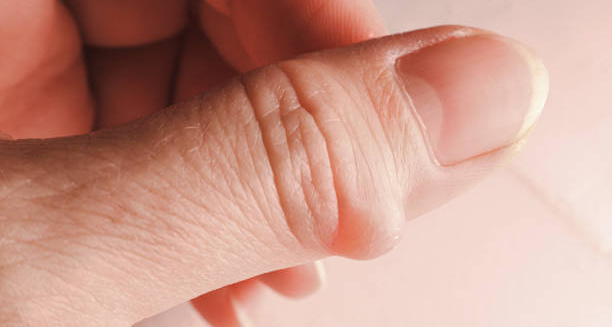
Close-up of a ganglion cyst on the thumb showing swelling and tension

Complications of Ganglion Cyst

Complications of Ganglion Cyst The complications of ganglion cyst are generally mild, but they can interfere with function or comfort if left untreated. Ganglion cysts are benign and rarely dangerous, but their size, location, or recurrence can cause difficulties over time. Pain and Nerve Compression A cyst that presses on a nearby nerve may cause: Tingling, numbness, or burning sensation Muscle weakness in the affected limb Interference with fine motor skills or grip strength This is most common when the cyst is located on the volar (palm) side of the wrist. Reduced Range of Motion Large or persistent cysts may limit movement in the wrist, fingers, or ankle May lead to stiffness, particularly after periods of rest In some people, this affects everyday tasks like typing, writing, or gripping objects Recurrence Even after removal or aspiration, cysts often return, particularly if the root (stalk) is not completely removed Surgical excision has a lower recurrence rate than aspiration but is still not guaranteed to be permanent Joint or Tendon Irritation Cysts located near tendons may cause a snapping or clicking sensation during movement Chronic pressure can lead to tendon irritation or inflammation over time Infection (Rare) Infection is very rare, but possible after aspiration or surgery Signs include redness, warmth, swelling, pus, or fever Prompt medical attention is needed for any post-procedure complications Scarring and Post-Surgical Effects After surgical removal, a scar may form at the site of the incision Some people experience persistent sensitivity or stiffness, especially if rehabilitation is limited Psychological and Cosmetic Concerns Visible cysts—especially on the hand or wrist—may cause embarrassment or self-consciousness This can affect social confidence or lead to avoidance of certain activities Complications of Ganglion Cyst Although the complications of ganglion cyst are rarely serious, monitoring and appropriate treatment help avoid persistent symptoms, discomfort, or functional problems. [Next: Back to Overview →]
Complications of Ganglion Cyst Read More »

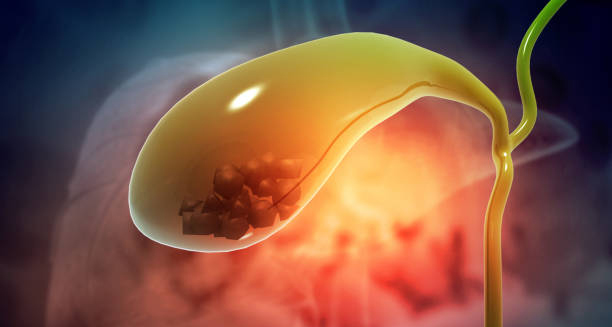
Medical illustration of gallstones inside the gallbladder

Gallstones

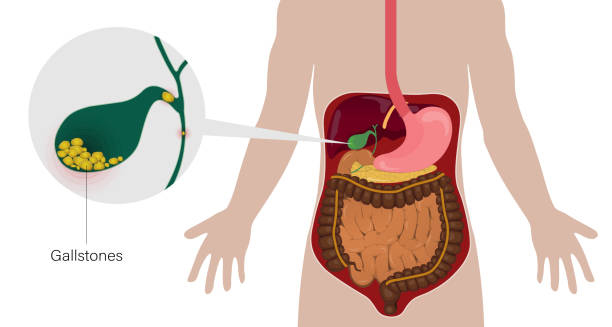
Gallstones These Gallstones are small, solid deposits that form in the gallbladder from substances found in bile, such as cholesterol or bilirubin. These stones can range in size from a grain of sand to a golf ball and may be present without causing symptoms for years. When they block bile flow, however, they can trigger severe pain and complications. The gallbladder is a small organ located beneath the liver. Its main role is to store and release bile—a fluid that helps digest fats. When the chemical balance of bile is disrupted, it results in the development of these stones. Therefore, causing particles to harden and form stones. Gallstones Many people with these stones experience no symptoms at all and may not even know they have them. These are known as “silent gallstones.” But when these stones obstruct the bile ducts, symptoms like upper abdominal pain, nausea, or jaundice can develop, often requiring treatment or surgery. Understanding these stones is key to recognising symptoms early, making informed dietary choices, and seeking medical care when needed. [Next: Causes of Gallstones →]

Gallstones Read More »

Diagram showing gallstones forming in the gallbladder and their location in the human digestive system

Causes of Gallstones

Causes of Gallstones The causes of gallstones involve an imbalance in the substances that make up bile, particularly cholesterol, bile salts, and bilirubin. Gallstones form when these substances become too concentrated and crystallise inside the gallbladder. Cholesterol Stones The most common type, especially in Western countries Caused when bile contains too much cholesterol, too little bile salts, or not enough fluid High-fat diets, obesity, and lack of physical activity can contribute to this imbalance Pigment Stones Made from excess bilirubin, a substance produced when the body breaks down red blood cells More common in people with: Liver disease Certain blood disorders like sickle cell anaemia Infections in the biliary system Sludge Formation Before actual stones develop, bile may become thick and form sludge—a precursor to gallstones. This often occurs: During rapid weight loss In people receiving intravenous feeding During pregnancy due to hormonal changes Risk Factors Gallstones are more likely in people who are: Over 40 years old Female – due to hormonal influences of oestrogen Overweight or obese Following a high-fat, low-fibre diet Living a sedentary lifestyle Other contributing factors include: Family history of gallstones Pregnancy Use of oral contraceptives or hormone replacement therapy Certain medical conditions like diabetes or Crohn’s disease Ethnicity and Geography Gallstones are more common in people of Native American, Hispanic, or South Asian descent Western dietary habits are associated with higher prevalence compared to other regions Causes of Gallstones Understanding the causes of gallstones allows at-risk individuals to take preventive steps—such as maintaining a healthy weight, eating a balanced diet, and staying active. [Next: Symptoms of Gallstones →]

Causes of Gallstones Read More »

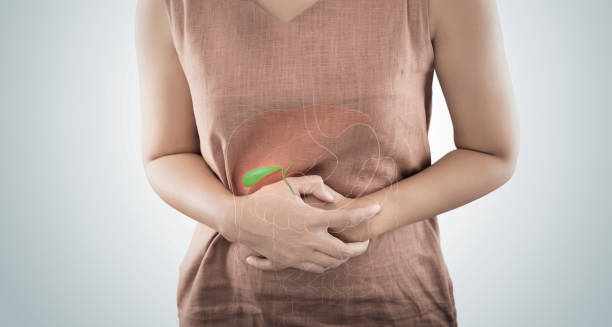
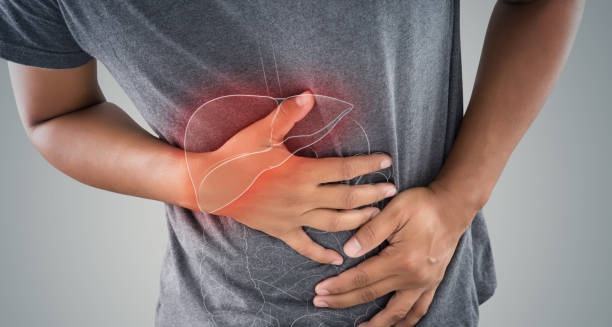
Woman clutching abdomen with a gallbladder illustration superimposed

Symptoms of Gallstones

Symptoms of Gallstones The symptoms of gallstones depend on whether the stones are causing a blockage or irritation in the gallbladder or bile ducts. Gallstones often go unnoticed, but when they obstruct the normal flow of bile, they can lead to a painful episode known as a gallbladder attack or biliary colic. Asymptomatic (Silent) Gallstones Most people with gallstones do not experience symptoms These are often discovered incidentally during scans or surgery for unrelated issues No treatment is usually required unless symptoms develop Biliary Colic (Gallbladder Attack) Sudden and intense pain in the upper right abdomen or middle of the abdomen Pain may radiate to the back or right shoulder blade Typically occurs after eating a fatty meal May last from 30 minutes to several hours Often accompanied by: Nausea or vomiting Bloating Indigestion Gallbladder attacks can happen intermittently and may return unless the underlying issue is treated. Complicated Gallstone Symptoms If gallstones lead to complications, additional symptoms may appear: Cholecystitis (Gallbladder Inflammation) Persistent pain lasting more than six hours Fever and tenderness in the upper right abdomen Nausea and vomiting Requires urgent medical treatment Choledocholithiasis (Stones in the Bile Duct) Jaundice (yellowing of the skin and eyes) Dark urine, pale stools Severe abdominal pain and fever Pancreatitis Inflammation of the pancreas caused by gallstones blocking the pancreatic duct Severe abdominal pain, nausea, and fever Requires hospital admission When to See a Doctor Seek medical attention if you experience: Repeated abdominal pain after meals Signs of infection such as fever and chills Jaundice or persistent nausea Symptoms of Gallstones Recognising the symptoms of gallstones early can help prevent complications and ensure timely treatment. [Next: Diagnosis of Gallstones→]

Symptoms of Gallstones Read More »

Doctor consulting a woman with abdominal pain

Diagnosis of Gallstones

Diagnosis of Gallstones The diagnosis of gallstones typically begins with a clinical assessment based on symptoms, followed by imaging tests to confirm their presence. Doctors often find Gallstones incidentally during scans for unrelated conditions, particularly in asymptomatic individuals. In symptomatic cases, swift diagnosis is essential to prevent complications. Medical History and Physical Exam Doctors will: Ask about episodes of abdominal pain, especially after meals Look for signs of jaundice, fever, or tenderness in the upper right abdomen Discuss personal and family risk factors such as obesity, pregnancy, and gallbladder disease When doctors suspect gallstones, they usually recommend imaging tests as the next step. Ultrasound Abdominal ultrasound is the most common and accurate test for detecting gallstones It is non-invasive, quick, and painless Can identify stones in the gallbladder, inflammation, and gallbladder wall thickening Additional Imaging If doctors need further details, they may use the following: CT scan – shows complications such as infection, blocked ducts, or abscesses MRI and MRCP (Magnetic Resonance Cholangiopancreatography) – visualises bile ducts and can detect gallstones outside the gallbladder HIDA scan – assesses gallbladder function by tracking bile flow; useful in diagnosing cholecystitis Blood Tests Blood work helps assess: Liver function – elevated enzymes may suggest bile duct obstruction White blood cell count – increased levels may indicate infection Bilirubin levels – high readings are associated with blocked bile ducts These results help determine whether emergency treatment is needed. Endoscopic Tests If stones are suspected in the bile ducts: ERCP (Endoscopic Retrograde Cholangiopancreatography) may be performed Combines endoscopy and X-ray to view and remove bile duct stones Often used as both a diagnostic and therapeutic tool Diagnosis of Gallstones An accurate diagnosis of gallstones guides appropriate treatment and prevents unnecessary procedures. In cases where no symptoms are present, monitoring may be all that’s required. [Next: Treatment of Gallstones →]

Diagnosis of Gallstones Read More »

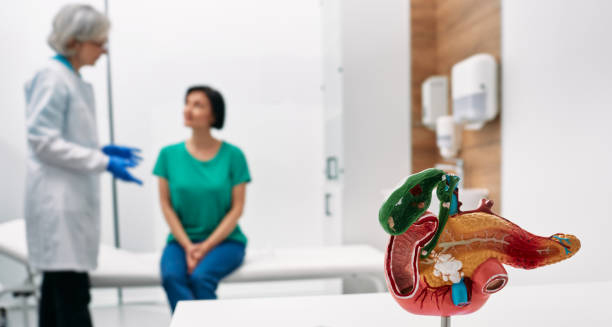
Doctor consulting a patient with a model of the gallbladder in the foreground

Treatment of Gallstones

Treatment of Gallstones The treatment of gallstones depends on whether symptoms are present and if complications have occurred. Gallstones that cause pain or digestive issues often require medical or surgical intervention, while silent gallstones may be left alone. Watchful Waiting Doctors usually do not recommend treatment for asymptomatic gallstones. Doctors may advise regular monitoring. Lifestyle changes such as a healthy, low-fat diet and weight control can reduce the risk of symptoms developing Medications Oral bile acid pills (e.g. ursodeoxycholic acid) may help dissolve small cholesterol gallstones Takes months to years to work and not effective for all types of stones Recurrence is common after stopping the medication Doctors usually reserve medication for patients who cannot undergo surgery. Surgery (Cholecystectomy) The most effective treatment for symptomatic gallstones is surgical removal of the gallbladder: Laparoscopic cholecystectomy (keyhole surgery) is the most common method Minimally invasive Short recovery time Often performed as a day procedure Doctors may need to perform Open Cholecystectomy in complex or emergency cases Removing the gallbladder does not significantly affect digestion in most people. The liver continues to produce bile, which flows directly into the intestine. ERCP and Stone Removal If gallstones lodge in the bile ducts, doctors may recommend immediate treatment: ERCP can be used to remove them without removing the gallbladder Often followed by surgery later to prevent future blockages Post-Surgical Care After gallbladder removal: Some individuals experience temporary digestive changes, such as diarrhoea or bloating A gradual return to normal diet is encouraged Most people resume regular activities within one to two weeks Treatment of Gallstones The treatment of gallstones is tailored to the severity and type of symptoms. For those with complications, timely surgery can be lifesaving. [Next: Complications of Gallstones →]

Treatment of Gallstones Read More »

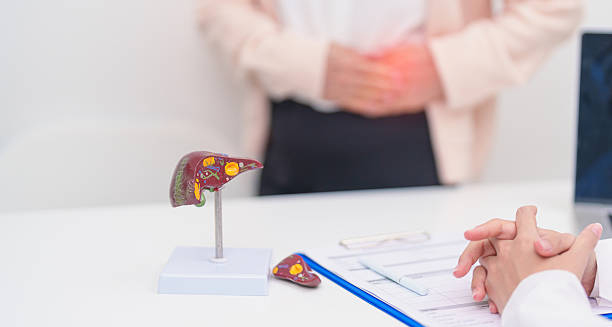
Medical consultation showing a liver and gallbladder model with a patient holding their abdomen

Complications of Gallstones

Complications of Gallstones The complications of gallstones arise when stones block bile flow or trigger inflammation. While many people live with gallstones without any problems, untreated or poorly managed cases can lead to serious health issues. Gallstones can also increase the risk of infections, organ damage, and rare cancers. Cholecystitis (Gallbladder Inflammation) Occurs when a stone blocks the cystic duct, causing the gallbladder to become inflamed Symptoms include severe upper right abdominal pain, fever, nausea, and tenderness May lead to abscesses, gallbladder rupture, or generalised infection (sepsis) if not treated Urgent surgery may be required in severe cases. Choledocholithiasis (Bile Duct Stones) Stones may migrate into the common bile duct, blocking the flow of bile Leads to jaundice, dark urine, pale stools, and abdominal pain Requires ERCP to remove the obstruction and relieve symptoms Pancreatitis Gallstones can block the pancreatic duct, leading to acute pancreatitis Symptoms include intense upper abdominal pain, vomiting, and fever Can range from mild to life-threatening and often requires hospitalisation Gallbladder Empyema Build-up of pus inside the gallbladder Results from untreated cholecystitis Increases risk of rupture and widespread infection Gallstone Ileus A rare complication where a large gallstone enters the intestine and causes a blockage Can result in severe abdominal pain, vomiting, and bowel obstruction Often requires surgery to remove the stone and relieve the blockage Gallbladder Cancer Long-term gallstone disease may slightly increase the risk of gallbladder cancer Rare, but more likely in people with chronic inflammation or porcelain gallbladder Recurrent Biliary Pain Without treatment, gallstones can cause repeated painful episodes These may become more frequent and severe over time Complications of Gallstones Recognising and managing the complications of gallstones early prevents escalation and helps preserve overall digestive health. [Next: Back to Overview →]

Complications of Gallstones Read More »

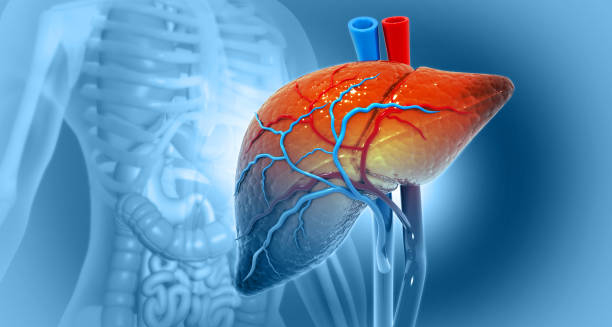
3D illustration of human liver and gallbladder with blood vessels

Gallbladder Cancer

Gallbladder Cancer The condition gallbladder cancer is a rare but aggressive form that begins in the tissues of the gallbladder. This cancer often develops silently, with few symptoms in the early stages. Making it difficult to detect until it has advanced. This delayed diagnosis contributes to its generally poor prognosis. The gallbladder is a small, pear-shaped organ located beneath the liver. Its main function is to store and release bile, which helps the body digest fats. While most gallbladder problems are due to gallstones or inflammation (cholecystitis), this disease can occasionally arise. Particularly in individuals with long-standing gallbladder disease. This cancer occurs more frequently in women and is more common in certain parts of the world. Including South America, India, and Eastern Europe. Risk factors include gallstones, chronic inflammation, obesity, age, and a history of gallbladder polyps. Gallbladder Cancer Because early symptoms are vague or absent, many cases are only discovered incidentally during surgery or imaging for other gallbladder conditions. Raising awareness about this cancer may improve early detection and support timely, effective treatment. [Next: Causes of Gallbladder Cancer →]

Gallbladder Cancer Read More »

Medical illustration showing gallbladder with cancer cells affecting the bile ducts

Causes of Gallbladder Cancer

Causes of Gallbladder Cancer The causes of gallbladder cancer are not fully understood, but several risk factors are associated with the development of this disease. Gallbladder cancer usually begins in the glandular cells that line the inside of the gallbladder, a type known as adenocarcinoma. Gallstones and Chronic Inflammation The most significant risk factor is the presence of gallstones, which cause long-term irritation and inflammation (chronic cholecystitis) This ongoing damage to the gallbladder lining may lead to cellular changes and, eventually, cancer However, while gallstones are common, only a small number of people with gallstones develop cancer Gallbladder Polyps Polyps are growths that protrude from the gallbladder wall Larger polyps (especially those over 1 cm) carry a higher risk of becoming cancerous Individuals with polyps and other risk factors may be advised to consider gallbladder removal Age and Gender Gallbladder cancer is more common in people over 65 Women are more frequently affected than men, possibly due to hormonal factors or higher gallstone incidence Ethnicity and Geography Higher rates of gallbladder cancer are seen in: Indigenous populations of the Americas Northern India and Pakistan Parts of Eastern Europe and East Asia These patterns may reflect genetic predisposition and dietary or environmental influences. Genetic and Medical Conditions Primary sclerosing cholangitis (PSC) – a liver disease linked to bile duct cancer and gallbladder cancer Porcelain gallbladder – calcification of the gallbladder wall, often due to long-standing inflammation Family history of gallbladder cancer also slightly increases risk Lifestyle and Environmental Factors Obesity, high-fat diets, and sedentary lifestyle are possible contributing factors Exposure to certain industrial chemicals may increase risk in rare occupational settings Causes of Gallbladder Cancer Understanding the causes of gallbladder cancer is essential in identifying at-risk individuals and making informed decisions about preventive care and early screening. [Next: Symptoms of Gallbladder Cancer →]

Causes of Gallbladder Cancer Read More »

Person clutching upper abdomen with liver and gallbladder area highlighted

Symptoms of Gallbladder Cancer

Symptoms of Gallbladder Cancer The symptoms of gallbladder cancer often develop late in the disease and may resemble other, more common gallbladder conditions. Gallbladder cancer in its early stages may produce no noticeable symptoms, making it difficult to detect before it spreads beyond the gallbladder. Early Symptoms Early signs are usually vague and can include: Persistent pain in the upper right abdomen, often under the ribs Nausea or vomiting Bloating or a feeling of fullness after eating small amounts Fever, sometimes mild or intermittent Fatigue and general discomfort These symptoms are easily mistaken for gallstones or digestive issues, leading to delays in diagnosis. Progressive Symptoms As the cancer grows or spreads: Jaundice – yellowing of the skin and eyes due to bile duct obstruction Dark urine and pale stools – signs of bile flow disruption Unexplained weight loss Lump or swelling in the abdomen Itching – often linked to bile build-up in the bloodstream When jaundice appears, it often indicates that the cancer has spread beyond the gallbladder to the bile ducts or liver. Signs of Advanced Disease If the cancer metastasises (spreads to other organs), additional symptoms may include: Severe abdominal pain Loss of appetite Ascites – fluid accumulation in the abdomen Bone pain or symptoms related to other affected organs These signs usually point to late-stage disease and may require palliative care. When to Seek Medical Advice See a doctor if you experience: Unexplained right-sided abdominal pain lasting more than a few days Signs of jaundice or digestive discomfort not linked to food intolerance A known history of gallstones with new or worsening symptoms Symptoms of Gallbladder Cancer Early identification of the symptoms of gallbladder cancer improves the chance of diagnosis before the disease becomes advanced, offering better options for treatment. [Next: Diagnosis of Gallbladder Cancer→]

Symptoms of Gallbladder Cancer Read More »

Scroll to Top