
Mental Matters

Anxiety Disorders

Person wrapped in a blanket seeking comfort during a panic attack

What I Reach for When Panic Hits

A practical list of small things that help me feel safe again. When a panic attack hits, it can feel like the world is crashing in. It’s not something I can always predict—but over time, I’ve learned what helps me survive the worst of it. This is my personal panic attack toolkit. These aren’t magic fixes. They’re just the things I reach for to ride the wave, feel grounded, and remind myself I’m safe. If you’re building your own mental health toolkit—or trying to support someone else—I hope these ideas spark something useful. What I reach for when panic hits: Cold showers (my #1 go-to) When my chest tightens and my thoughts start spiralling, the first thing I often do is head for the coldest shower I can manage. I let the water hit my face and body. It shocks me into the present. It’s not comfortable—but it works. It interrupts the panic and gives my brain something else to focus on. Music for anxiety and nausea I have a playlist of calming sounds—some labelled “relaxation music,” others designed for “anxiety relief” or even “music for nausea.” I don’t know if it’s placebo or science, but it helps. The soft, predictable rhythms give my nervous system something to lean into. Talking about random things I’ll ask my partner or kids to talk to me about random, normal stuff—what they had for lunch, what they’re watching, what they’d do with a million rand. It’s not about solving anything. It’s about distraction. Familiar voices and light conversation help bring me out of my head. Holding something soft I’m not ashamed to say I hold a teddy bear or a soft blanket when I feel overwhelmed. The weight, the texture—it’s grounding. It reminds me I’m here, I’m safe, I’m not alone. Grounding walks with my family We’ll walk up and down our driveway and do a grounding exercise: name five things we can see, four we can hear, three we can feel, two we can smell, and one we can taste (if there’s something handy!). They’ll ask me questions like, “What’s your favourite colour?” or “How old are you?” Simple things. Warmth and comfort If I’m shivering after the panic eases, I grab a hot water bottle. I wrap myself in something warm. I let my body rest. Panic attacks are exhausting. Repeating: “this will pass” Sometimes the only thing that gets me through is repeating to myself: This will pass. This always passes. It might not stop the panic, but it helps me ride it out without adding fear on top of fear. Your toolkit will look different These are just my tools I reach for when panic hits. Yours might be completely different—and that’s okay. The goal isn’t to “cure” panic attacks on the spot. It’s to soften them. To survive them. To remind yourself that you’re not broken—you’re just a human doing your best. If you’re still figuring out what works for you, start small. Try one thing. Then another. Build your toolkit slowly, with love and curiosity. 👉 Missed an article in the series? You can catch up here. Reviewed April 2025. Always consult a professional for individual guidance.


What I Reach for When Panic Hits Read More »

Man offering emotional support to a distressed individual during a panic attack

How to Support Someone During a Panic Attack

Tips for friends, partners, and family on being a calm, safe space—without accidentally making things worse. Not sure what to do when someone you love is having a panic attack? Many people feel helpless in the moment. But knowing how to support someone during a panic attack can help you stay grounded—and actually make a difference. This guide walks you through what panic attacks are, what to do (and avoid), and how to offer ongoing support without overstepping. First, understand what a panic attack feels like Panic attacks are intense. They’re not “just stress” or something you can snap out of. They come with sudden fear, a racing heart, trouble breathing, and sometimes even the feeling that you’re dying. Learning how to support someone during a panic attack starts with understanding that it’s a real, physical experience—not just a mental one. How to support someone in the moment If you’re with someone during an episode, here’s what can help: What not to do during a panic attack Even with good intentions, some common phrases or behaviours can make things harder: Panic isn’t rational. Your job isn’t to fix it—it’s to help them ride it out safely. How to support someone between panic attacks Ongoing support matters just as much as what happens in the moment. Here’s how to show up consistently: You don’t have to be perfect. Just be present. Learning how to support someone during a panic attack is about being kind, informed, and calm—even when things feel scary. That in itself can be healing. How I built myself a panic attack toolkit. Reviewed April 2025. Always consult a professional for individual guidance.

How to Support Someone During a Panic Attack Read More »

Bare feet standing on grass surrounded by flowers as a calming mindfulness exercise

Coping Tools That Help with Panic Attacks

Living with panic attacks doesn’t mean waiting around for the next one to hit. There are practical, research-backed tools that can reduce how often panic shows up—and how intense it feels when it does. In this article, we’ll cover lifestyle shifts, coping mechanisms, and recovery ideas that can help you feel more in control, grounded, and supported. Start with your nervous system Panic attacks are often your nervous system’s way of saying, I’m overwhelmed. That’s why calming your body is step one. Try: These don’t fix the fear, but they help your body feel safer—which makes the fear easier to manage. Learn to interrupt the spiral Helpful tools include: The goal isn’t to ignore your feelings—but to interrupt the fear from building unchecked. Create a daily calm practice You don’t have to wait until a panic attack happens to work on feeling calmer. Creating small daily rituals helps lower your overall stress threshold. Try adding: The more regulated your baseline, the less likely panic is to flare up. Keep a recovery toolbox Have a go-to list of things that help you feel grounded—because in the moment, it’s hard to think clearly. Example items might be: Store these in one place so they’re easy to reach when needed. Talk to someone Even the best tools can feel useless if you’re trying to carry everything alone. Reach out to: Sometimes just knowing someone else understands what you’re going through is a coping tool in itself. Track your triggers—gently You don’t need to become hyper-aware of every feeling. But noticing patterns can help you feel more prepared. Try jotting down: You might start to notice that certain things—like skipping meals, conflict, or overstimulation—make you more vulnerable. This isn’t about blaming yourself. It’s about learning what works for you so you can respond with compassion and care. Managing panic attacks isn’t just about surviving the moment. It’s about building a life where your body feels safe more often than not. A few small changes can add up to a big shift. Want to know more? Learn about supporting someone during a panic attack. Reviewed April 2025. Always consult a professional for individual guidance.

Coping Tools That Help with Panic Attacks Read More »

Woman receiving support while experiencing a panic attack

Getting Help for Panic Attacks

If panic attacks have started interfering with your daily life, getting help for panic attacks doesn’t mean something’s “wrong” with you. It means you’re doing something right: choosing to take care of your mental health. In this guide, we’ll walk through when to reach out for support, how to find the right person to talk to, and what to expect from the process. When should you get help for panic attacks? Everyone’s threshold is different. But here are a few signs it may be time to speak with a professional: Even if your symptoms seem “mild” or “manageable,” it’s okay to ask for help early. Support isn’t just for crises—it’s also for prevention, healing, and learning. Where to start: who you can talk to You don’t need to have it all figured out before reaching out. Start with someone you feel safe with—then build from there. Options include: What to expect from the process The first conversation might feel awkward. That’s normal. You don’t need to explain everything perfectly. Just start where you are. You might be asked: This helps the professional understand your situation and recommend the right type of support. Therapy doesn’t mean you’re broken A lot of people worry about what it means to “go to therapy.” But therapy isn’t just about fixing a problem—it’s about finding the right coping tools that actually helps. You don’t have to hit rock bottom to benefit from talking to someone. What if you’re nervous about asking for help? That’s okay. Most people are. If it feels too big to say, try writing it down first. You could even say: “I’ve been having panic attacks, and I’m not sure how to deal with them. Can you help me figure out what to do next?” That one step could be the beginning of real change. Panic attacks can make you feel like you’re the only one going through it—but you’re not. There are people trained to help. And there are people who’ve been exactly where you are, who’ve come out stronger. Reviewed April 2025. Always consult a professional for individual guidance.

Getting Help for Panic Attacks Read More »

Woman holding her chest during a panic attack

How to Handle a Panic Attack: What Helps and What Doesn’t

What to do—and not to do—during a panic attack When a panic attack hits, it can feel like everything is spinning out of control. Your heart races. Your thoughts spiral. And even if you know what it is, it still feels terrifying. Here’s how to handle a panic attack: what helps and what doesn’t. What to do during a panic attack These are evidence-based, therapist-recommended strategies that can help you ride it out with a little more ease. What not to do Even with the best intentions, some habits can make things worse. Here’s what to avoid if you can. Reviewed April 2025. Always consult a professional for individual guidance.

How to Handle a Panic Attack: What Helps and What Doesn’t Read More »

Woman in hoodie overwhelmed by the words “Panic Attack” above her head

What Panic Attacks Feel Like

Panic attack symptoms can hit without warning—and when they do, they often feel terrifying. One of the first times I had a full-blown episode, I thought I was dying. My heart was pounding in my ears. My arms went numb. I was nauseous, dizzy, sweating, and couldn’t catch my breath. I remember staring at the ceiling thinking: This is it. This is how I go. I didn’t know what a panic attack was back then. I just knew I was scared, and no one could convince me I was “fine.” If you’ve been there—or if you’re trying to understand what it feels like—this is for you. What panic attacks feel like Panic attack symptoms can vary from person to person, but here are some of the most frequently reported: Physical symptoms: Mental and emotional symptoms: Many of these panic attack symptoms closely mimic those of serious health emergencies—like heart attacks—which is part of what makes them so frightening. What people don’t always talk about Beyond the common symptoms, here are a few that don’t get discussed enough—but are just as real: Because panic attacks can feel so similar to physical conditions, it’s always smart to rule out medical causes first. If you’re experiencing chest pain, shortness of breath, or unusual physical symptoms for the first time, get checked out. But once you’ve ruled out other issues, know that panic attack symptoms are real, valid, and treatable. 👉 Next: How to Handle a Panic Attack Reviewed April 2025. Always consult a professional for individual guidance.

What Panic Attacks Feel Like Read More »

Anxious woman surrounded by black-gloved hands symbolising panic attack triggers

Why Panic Attacks Happen (Even When Nothing Seems Wrong)

One of the most frustrating parts of a panic attack is not always knowing why it’s happening. You could be lying in bed, watching a movie, doing the grocery run, or brushing your teeth—and suddenly your heart is pounding, your chest is tight, your hands are shaking, and fear floods your body. And you think: But everything was fine. Why now? Panic attacks don’t always play by the rules. Your body thinks you’re in danger—even if you’re not At the core of every panic attack is one thing: your nervous system thinks there’s a threat, and it’s trying to protect you. This is the fight-or-flight response. It’s automatic, primal, and designed to keep you alive. When your brain perceives danger, it floods your body with adrenaline and cortisol so you can escape or fight. Heart rate increases. Breathing gets shallow. Digestion stops (hello, nausea). Muscles tense. That’s perfect if you’re being chased by a lion. Not so perfect when you’re just trying to make toast. But why does the alarm go off randomly? Sometimes the “danger” isn’t external—it’s internal. Thoughts, memories, physical sensations, or even overstimulation can set off the alarm. And for some of us, our bodies have become wired to react even without a clear cause. Some common triggers: It’s not “just in your head”—it’s in your system A lot of people (even well-meaning ones) will tell you to “just relax” or “think positive.” But that advice assumes panic is purely mental. It’s not. Panic is physiological. Your brain (specifically the amygdala) sends out emergency signals to your body. Even if the thinking part of your brain (the prefrontal cortex) knows you’re not in danger, it’s often too late—the alarm has already been triggered. Once that happens, the goal isn’t to fight it. It’s to regulate it. Why knowing the “why” helps Understanding why your body is reacting like this gives you: Panic attacks are real and overwhelming. And they always wait for the breakdown moment. It can arrive when you least expect it. But with the right support and tools, things can get better — and you can feel more in control again. Remember the words of Dr Bessel Van Der Kolk: “Your Body Keeps The Score” 👉 Next read: What Panic Attacks Feel Like Reviewed April 2025. Always consult a professional for individual guidance.
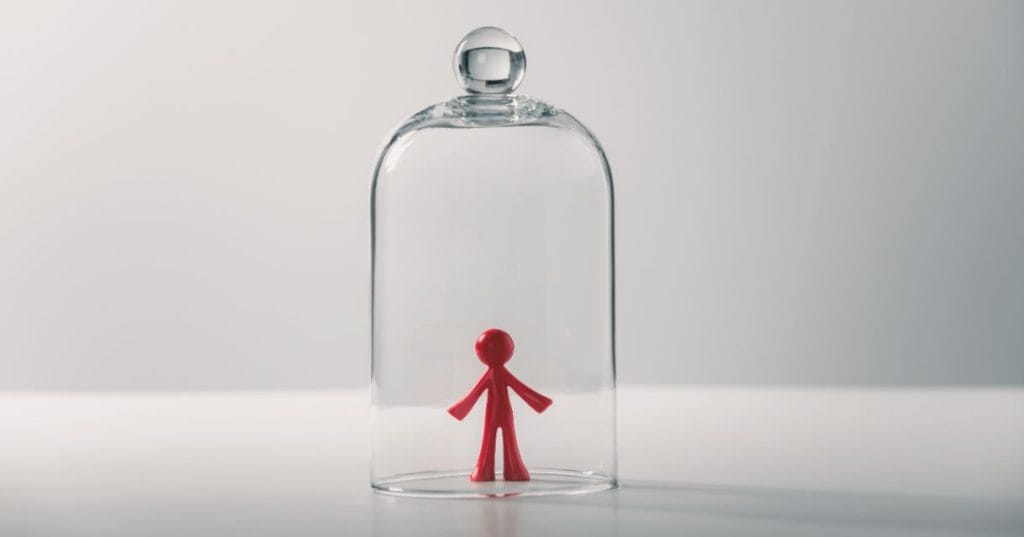
Why Panic Attacks Happen (Even When Nothing Seems Wrong) Read More »

Why Men and Women Experience Anxiety Differently

Why Men and Women Experience Anxiety Differently

Anxiety is something many of us face, but how it shows up can vary between men and women. A study by Hallers-Haalboom et al. (2020), titled The Role of Sex and Gender in Anxiety Disorders, highlights some important differences in how anxiety is experienced by each gender. Understanding these differences can help us offer more effective support and challenge the stigma around mental health. Why Women Are More Likely to Struggle with Anxiety It’s no secret that women are diagnosed with anxiety disorders more often than men. In fact, research suggests that women are nearly twice as likely to experience anxiety. But why? According to Hallers-Haalboom et al., a combination of biological and societal factors plays a big role. Hormonal fluctuations—like those during menstruation, pregnancy, and menopause—can intensify anxiety in women. The study also points out that stressors unique to women, such as societal pressures and caregiving roles, may make them more vulnerable to anxiety. How Men and Women Experience Anxiety Differently Anxiety doesn’t always look the same in everyone. For women, it might manifest as constant worry, physical symptoms like heart palpitations, or emotional distress. Women are more likely to experience panic attacks and generalised anxiety disorder, too. On the other hand, men often show their anxiety differently. Instead of worrying, they might become more irritable, aggressive, or withdrawn. Some may even take part in risky behaviours or throw themselves into work to avoid confronting their feelings. Cultural expectations also play a significant role here. Society often teaches men to suppress emotions, making it harder for them to recognise or seek help for anxiety. As a result, men’s anxiety can go unnoticed or untreated, even though they may be struggling just as much as women. The Influence of Hormones and Stress The study by Hallers-Haalboom et al. introduces the vulnerability-stress model, which suggests that anxiety can stem from both biology and external stress. Women’s hormonal changes make them more susceptible to anxiety, while societal pressures can add an extra layer of stress. For men, the societal expectation to “man up” means that they often ignore their anxiety or mask it with anger or avoidance. Why Men Often Don’t Seek Help When it comes to seeking help, women are generally more open to talking about their feelings and seeking therapy. Men, however, are less likely to do so. The pressure to appear strong and in control can prevent them from acknowledging their struggles. This reluctance to open up about their anxiety can lead to misdiagnosis or delayed treatment. Healthcare providers must be mindful of this gender difference, especially during diagnosis. As the study suggests, men might be less willing to report symptoms that are traditionally seen as “female-like,” such as excessive worry or fear. Being aware of these biases can help ensure that both men and women receive the care they need. Approaching Treatment with Gender in Mind The Hallers-Haalboom study also suggests that treatment for anxiety should consider gender differences. While women may benefit from therapies that encourage emotional expression, men might respond better to action-oriented approaches that focus on solving problems. The key is to tailor treatment to the individual’s needs, regardless of gender. Breaking the Stigma and Encouraging Open Conversations One of the most important takeaways from this research is the need to break down the stigma surrounding mental health. Men and women experience anxiety differently, but both deserve the opportunity to seek help without fear of judgement. Encouraging open conversations about mental health can make a huge difference in reducing stigma and helping people feel supported. Hallers-Haalboom et al.’s research sheds light on the complex ways in which gender influences anxiety. Women are more likely to experience anxiety, and their symptoms can often be more severe. Men, on the other hand, may struggle in silence due to societal pressures to remain “tough.” By recognising these differences, we can offer more personalised support and treatment. Most importantly, we need to create an environment where everyone feels comfortable talking about their mental health and seeking help when they need it. Mental Matters is a resource and information platform. We do not provide medical advice, diagnosis, or treatment. While the information on our website is for general awareness and support, it should not replace professional advice. For any mental health concerns, please consult a qualified healthcare or mental health professional. Breast Cancer in Men Dr Hussein Al Agram Oral Surgeon Bristol Reparenting Myself So My Kids Don’t Inherit My Baggage Nazia Osman Clinical Psychologist Musgrave Dr AL Basson Nephrologist Northcliff

Why Men and Women Experience Anxiety Differently Read More »

Social Anxiety vs. Being an Introvert

Many people confuse social anxiety and introversion, but they’re not the same. Social anxiety is a mental health condition that involves intense fear or worry about social situations, while introversion is a personality trait describing a preference for quiet, low-stimulation environments. Here’s how to tell the difference and understand each one better. 1. What is Introversion? Introversion is a personality type that’s often characterised by a preference for solitude or small groups. Introverts tend to feel drained by large social gatherings and usually recharge by spending time alone or in quieter settings. It’s not that introverts dislike social interactions; they often enjoy close, meaningful connections. However, they may need downtime to recover after extended periods of socialising. Key Traits of Introverts: 2. What is Social Anxiety? Social anxiety, or social anxiety disorder, is a mental health condition characterised by an intense fear of social situations where one might be judged, embarrassed, or scrutinised. People with social anxiety may avoid gatherings, meetings, or interactions that could put them in the spotlight. This fear isn’t necessarily related to the number of people involved; even small interactions, like speaking with a store clerk, can trigger anxiety. Key Signs of Social Anxiety: 3. How to Tell the Difference Source of Discomfort Avoidance of Social Settings Physical and Emotional Reactions 4. Can You Be Both? Yes, you can be an introvert with social anxiety. An introvert with social anxiety might feel doubly pressured in social settings: they find large groups overstimulating and fear judgment, making social gatherings particularly challenging. 5. How to Cope with Social Anxiety or Manage Introversion While introversion is a natural part of some people’s personalities, social anxiety can benefit from treatment and support. Recognising which one applies to you—or if both do—can lead to healthier interactions and a better understanding of your own needs. Mental Matters is a resource and information platform and does not provide medical advice, diagnosis, or treatment. The information on this site is for general awareness and support. For any mental health concerns, please consult a qualified healthcare or mental health professional. Dr J V Rensburg GP Strand I Prefer Texts Over Calls How to Identify Emotional Triggers Dr V Thomas Pinelands Practical Tips for Managing Social Anxiety in Everyday Situations

Social Anxiety vs. Being an Introvert Read More »

OCD Explained: Understanding the Condition

Obsessive-Compulsive Disorder (OCD) is a mental health condition that often gets misunderstood. Many people associate OCD with a need for cleanliness or orderliness, but the reality is far more complex. For those living with OCD, it can mean battling with intrusive thoughts that cause intense anxiety and engaging in repetitive behaviours to find relief. These compulsions are not just habits; they can consume significant time and energy, impacting daily life, relationships, and overall well-being. In this article, we’ll take a closer look at what OCD really is, some common symptoms, and the ways that people find relief and support. 1. What is OCD? Obsessive-Compulsive Disorder, or OCD, is a condition that involves two main parts: obsessions and compulsions. Obsessions are those pesky, intrusive thoughts, images, or urges that can create a lot of anxiety or discomfort. On the flip side, compulsions are the repetitive actions or mental routines that people feel they must do to try to ease that anxiety, even if it’s only for a moment. Many with OCD know deep down that these thoughts and behaviours don’t make much sense, but the urge to act on them can be really hard to resist. 2. Common Obsessions and Compulsions OCD can show up in different ways, but there are a few familiar patterns that many people experience: Contamination Obsessions and Cleaning Compulsions Doubt Obsessions and Checking Compulsions Symmetry Obsessions and Ordering Compulsions Harm Obsessions and Mental Rituals 3. What It Feels Like to Live with OCD Living with OCD can be draining. The never-ending cycle of unwanted thoughts and the need to perform rituals can feel like an uphill battle. Many people with OCD may experience feelings of shame or frustration, which can make them avoid situations where their obsessions or compulsions might kick in. This isolation, combined with the constant effort to manage OCD, can really affect relationships, work, and personal goals. 4. Managing OCD The good news is that OCD is manageable with the right treatment and support. Here are some effective strategies: Cognitive-Behavioural Therapy (CBT) CBT is often seen as one of the best therapies for OCD. A specific technique called Exposure and Response Prevention (ERP) helps people face their fears without giving in to the compulsions, gradually easing their anxiety over time. Medication Selective serotonin reuptake inhibitors (SSRIs) are commonly prescribed to help alleviate OCD symptoms. Often, medication works best alongside therapy for improved results. Self-Help Strategies Support Networks Connecting with others who understand what you’re going through, whether in a support group or therapy, can be incredibly helpful. Knowing that you’re not alone in this can lessen feelings of isolation. 5. Reaching Out for Help Living with OCD can be really tough, and it’s easy to feel like you’re all alone in this. Many people have been where you are and have found their way through with the right support and strategies. So, if you’re struggling, don’t hesitate to reach out for help. Whether it’s talking to a friend, a therapist, or joining a support group, there are people who understand what you’re going through. Remember, it’s okay to ask for help—taking that step can lead you toward a more balanced and fulfilling life. You’ve got this! Mental Matters is a resource and information platform and does not provide medical advice, diagnosis, or treatment. The information on this site is for general awareness and support. For any mental health concerns, please consult a qualified healthcare or mental health professional. Natasha Daniels CBT Therapist London Bristol CBT Clinic Psychologist Bristol OCD and Anxiety Clinic of Ontario Psychologist Woodbridge The Different Kinds of Anxiety Disorders Explained What People Get Wrong About OCD

OCD Explained: Understanding the Condition Read More »

Scroll to Top