Mental Matters

Depression

The Signs of My Depression I Didn’t See

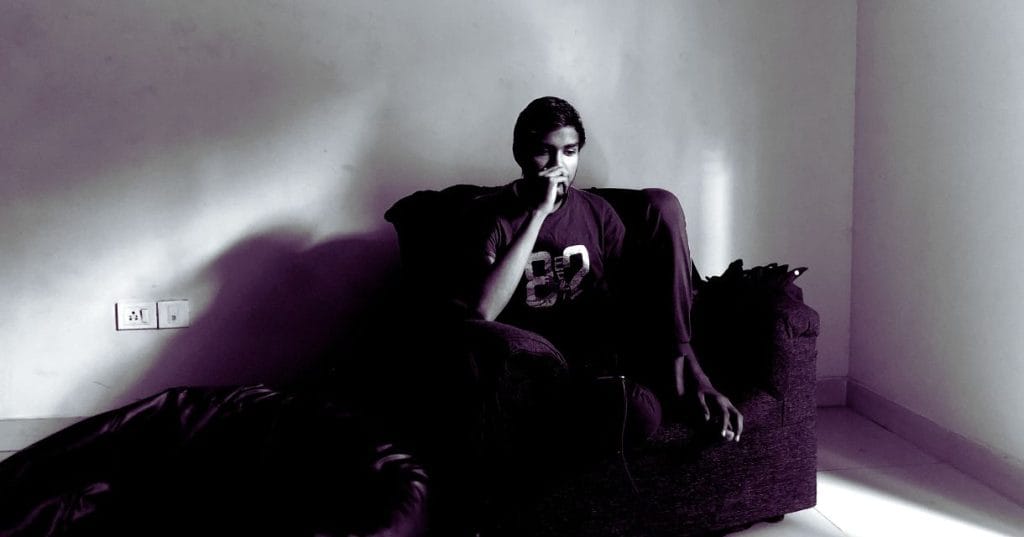
Disclaimer: This story is from a community member, edited for clarity. Since my depression diagnosis, I’ve come to terms with many things I hadn’t noticed before. It’s been a tough journey, but reflecting on these symptoms has really helped me understand what I was going through. One of the first things I noticed was how disconnected my mind and body felt. I’d find myself sleeping endlessly, like I was trying to escape from everything. Even though I spent hours in bed, I never seemed to feel fully rested or refreshed. Mornings were a real struggle, and it felt like I was constantly fighting the urge to stay in bed. At the same time, I couldn’t seem to relax. On some days, I felt so overwhelmed that lying in bed and watching Netflix was all I could manage. The thought of doing anything else felt impossible. Even simple tasks seemed too much to handle, and I just couldn’t find the motivation to get moving. Socially, things were equally confusing. I hated being around people, yet I also desperately wanted their company. I felt isolated but was too drained to reach out or enjoy time with friends and family. This contradiction made me feel even more alone and unsure of how to navigate my relationships. Figuring out these signs has been a big part of understanding my depression and finding the right support. If any of this feels familiar to you, just know you’re not alone. There’s no shame in talking about you are going through or asking for help. If you’re looking for professional support, you can find a therapist or counsellor near you through our search directory. Additionally, here are some helplines in South Africa that might be helpful: Suicide Crisis Helpline: 0800 20 50 26 South African Depression and Anxiety Group (SADAG): 0800 567 567 Lifeline South Africa: 0861 322 322 Mental Matters is a resource and information platform. We do not provide medical advice, diagnosis, or treatment. While the information on our website is for general awareness and support, it should not replace professional advice. For any mental health concerns, please consult a qualified healthcare or mental health professional. Nigel Saw Podiatrist Pod Fit Podiatry Findon Inner Reach Therapy and Counselling York You Are Not Alone Family Centre Tembisa You are not alone women and family centre Maokeng THRIVE Psychological Services Point Edward

The Signs of My Depression I Didn’t See Read More »

The 5 Most Common Mental Health Conditions

Mental health isn’t just about feeling happy. It encompasses our emotional, psychological, and social well-being, impacting how we think, feel, and interact with the world. While most people experience occasional emotional dips, some challenges become more persistent and can significantly impact daily life. This article explores the 5 most common mental health conditions, according to the World Health Organisation. It aims to increase understanding and awareness, while also highlighting the positive steps you can take towards a healthier and happier you. Here’s a look at the five most common mental health conditions globally: 1. Anxiety Disorders Characterised by excessive worry and fear that disrupts daily living. People with anxiety disorders may experience physical symptoms like fatigue, muscle tension, and sleep problems. * Evidence: The WHO reports anxiety disorders are the most common mental health condition globally, affecting an estimated 4.05% of the population [1]. 2. Depressive Disorders Depression is a mood disorder causing persistent sadness and loss of interest in activities once enjoyed. People with depression may also experience changes in appetite, sleep patterns, and difficulty concentrating. * Evidence: A 2017 study in JAMA found depression is the leading cause of disability worldwide. 3. Unipolar Mood Disorders (Major Depressive Disorder) A severe form of depression with episodes of intense and debilitating depression. Symptoms can be similar to depression, but often more severe. * Evidence: The WHO reports major depressive disorder affects more than 260 million people of all ages worldwide [1]. 4. Schizophrenia A chronic and severe mental disorder that impacts how a person thinks, feels, and behaves. People with schizophrenia may experience hallucinations, delusions, and disordered thinking. * Evidence: A 2016 study published in the Lancet Psychiatry journal found schizophrenia affects about 1% of the global population [2]. 5. Alcohol Use Disorders Involves problematic alcohol use leading to health problems, relationship difficulties, and work issues. People with alcohol use disorders may struggle to control their drinking despite negative consequences. * Evidence: The WHO estimates that approximately 3 billion people around the world use alcohol and that over 230 million are affected by alcohol use disorders [3]. South African Prevalence A study by the South African Federation for Mental Health (SAFMH) revealed that anxiety disorders are also the most common mental health condition in South Africa, affecting 15.8% of the population. Here’s a breakdown of the prevalence of other conditions according to the study: * Substance use disorders: 13.3%* Mood disorders: 9.8% Getting Help It’s important to remember that mental health conditions are treatable. If you are struggling with any of these conditions, please reach out for help. Many resources are available to support you on your journey to mental wellness. Here are some tips for getting help: Remember, you are stronger than your struggles. With treatment and support, you can manage your mental health condition and live a fulfilling life. Sources:[1] Medical News Today[2] Lancet Psychiatry Journal [3] World Health Organisation Mental Matters is a resource and information platform. We do not provide medical advice, diagnosis, or treatment. While the information on our website is for general awareness and support, it should not replace professional advice. For any mental health concerns, please consult a qualified healthcare or mental health professional. I Lost Myself Trying to Make Others Happy Maria Antypa Consultant Clinical Psychologist London A Happy Place Counsellor Pretoria The Happy Play Den Durbanville Fertility Solutions Fertility clinic Retreat

The 5 Most Common Mental Health Conditions Read More »

Guys Get Real About Depression: The Struggle No One Talks About 

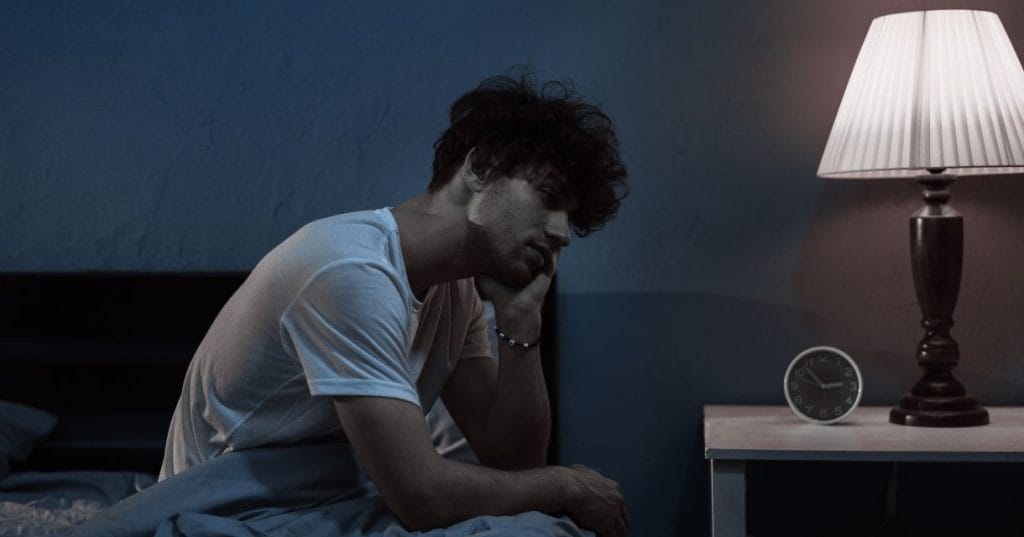
Men feel pressure to conform to this image of masculinity that doesn’t leave any room for vulnerability. Society tells men to be emotionless robots, the fixers, the providers – never the ones who need help. But everyone struggles sometimes, and depression doesn’t discriminate. The pressure to be invincible can be a major barrier when it comes to dealing with mental health. We spoke to a few guys who were brave enough to share their stories about battling depression: 1. Harold ~ 42, Accounts Manager “I’ve been suffering for over 20 years now. It has held me back from pursuing a lot of things I would have loved to have had. A wife, children, a fulfilling career, to name a few. Life is a battle. My anxiousness has turned me into a complete introvert, so I have made very few connections throughout life. My parents are my only real friends and the thought of them dying absolutely terrifies me. I’ve always felt a little bit different to those around me. I find it very hard to socialize. 2. David ~ 38, Teacher “It has been a shadow hanging over me for years. In the early days, it was a suffocating weight. The fog in my head made it hard to get through the day, let alone function as an individual. I felt trapped in a prison of my own making, with a constant knot of depressing thoughts and feelings in my chest. Talking to anyone, even friends, felt impossible. I didn’t want to burden them with my problems. Over time, I developed ways to cope with the depression on my own. But in a strange way, it came at a cost. The isolation I built to protect myself turned into a wall. I lost touch with how to connect with people on an emotional level. 3. Xander ~ 35, Software Developer Growing up, my parents were consumed by their own needs. They weren’t physically abusive after I turned 16, but the emotional abuse only intensified. Maybe it got worse, maybe I just couldn’t handle it anymore. Living in that environment for so long made it hard to recognize unhealthy patterns. At 18, I ended up in a relationship with someone who mirrored that same emotional abuse. The marriage was a nightmare, driving me to the edge and leaving me with PTSD. For a long time, I blamed myself – how could I have gotten myself into similar situations twice? Healing is a slow process, but I’m finally learning to build a healthier relationship with myself.  4. Daniel ~ 21, Unemployed I don’t think I’ll ever truly figure this out. It all went downhill in 8th grade (I’m 21 now). I went through a period of depression that got better in the following years, but it never truly went away. It stuck with me all through high school. Everything feels different since then. I had a pretty good childhood, no real trauma, nothing to complain about logically. But since 8th grade, I haven’t had any real long-term goals, aspirations, or things to look forward to. I did a year of college because that’s what everyone expects, then dropped out. Not knowing what to do with myself, I joined the army. Building good self-confidence has always been a struggle. I don’t really like anything about myself. Whenever I try to do something for myself or go out and do something, that initial excitement just fades. I end up back home feeling regretful. 5. Niyaz ~ 47, Former Entertainer  A few years back, life was a party. Healthy, active, self-employed entertainer – that was me. But lately, it’s all gone downhill. Health problems kept piling up, and everything just exploded recently. Now, I’m using a walking stick to get around, on disability, feeling like a shadow of my former self. The depression is the worst part. Constant physical pain is one thing, but not having a diagnosis yet just adds to the frustration. Every day I’m fighting back tears, trying to find the strength to keep going. At 47, I feel utterly useless, a burden on my 76-year-old mom, who’s got her own health issues to deal with. 6. Julian ~ 32, Graphic Designer For years, my mom’s mental abuse felt like a constant weight on my shoulders. It wasn’t like there were huge blow-ups, but the little digs, the criticisms, the never-ending negativity – it chipped away at me year after year. How Can We Make A Difference? Men, You Matter Here are some South African helplines that can offer support and guidance: Mental Matters is a resource and information platform. We do not provide medical advice, diagnosis, or treatment. While the information on our website is for general awareness and support, it should not replace professional advice. For any mental health concerns, please consult a qualified healthcare or mental health professional. Causes and Risk Factors of Breast Cancer in Men Treatment Options for Breast Cancer in Men Breast Cancer in Men Dr Cara Baker General Surgeon London Dr Guy Stewart – Consultant Psychiatrist – Bristol
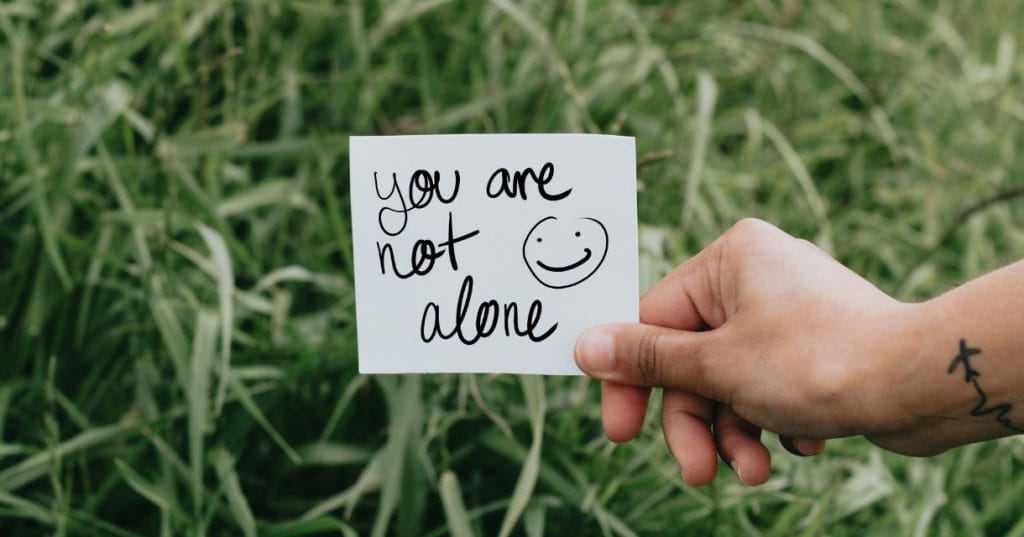
Guys Get Real About Depression: The Struggle No One Talks About  Read More »

Misconceptions About Depression

Depression is a topic that affects so many of us, either directly or through loved ones. Yet, there are many myths and misunderstandings that surround it. Let’s explore some of these misconceptions. Myth 1: Depression is Just Extreme Sadness Sure, sadness is part of it, but depression goes deeper. It affects your whole life—your thoughts, actions, and even your body. It’s not something you can just shake off with positive vibes. Myth 2: People Should Just Snap Out of It If only it were that easy! Depression is a real medical condition that often needs professional help—therapy, meds, or both. It’s not about willpower; it’s about getting the right support. Myth 3: Depression Always Has a Clear Cause Sometimes there’s a clear cause for depression, like a loss or a big change. But often, there’s no single reason. It can be a mix of things like family history, brain chemistry, and life experiences. It can be confusing and frustrating. Myth 4: Talking About Depression Makes It Worse Actually, talking can be a huge relief. Opening up to someone you trust—a colleague, family member, your partner—can lighten the load. Keeping feelings bottled up is more likely to make things worse. Myth 5: “Antidepressants Change Your Personality” There’s a lot of fear around these medications. They’re not magic happy pills, but they can help balance chemicals in your brain that might be off-balance. They don’t change who you are; they can actually help you feel more like yourself again. Talk to a doctor about any concerns you have. Myth 6: “Only Adults Get Depressed” Depression doesn’t care how old you are. Kids, teens, adults—anyone can be affected. It might look different, but it’s just as real. It’s important to be aware of the signs so we can help young people who might be going through it. Myth 7: You Can Always Tell If Someone is Depressed Not always. Some people hide it well, putting on a brave face in public while struggling inside. Don’t assume everything’s okay just because someone looks fine on the outside. Myth 8: Depression Means You’re Weak Absolutely not! Dealing with depression takes strength and courage. It’s about facing challenges head-on and seeking help when you need it. That’s anything but weak. Why This Matters Understanding these myths can help us create a more supportive environment for people with depression. If you’re struggling or know someone who is, reach out. There is hope, and there is help. Mental Matters is a resource and information platform. We do not provide medical advice, diagnosis, or treatment. While the information on our website is for general awareness and support, it should not replace professional advice. For any mental health concerns, please consult a qualified healthcare or mental health professional. What Are the Myths and What’s the Truth About ADHD? Common Myths About PTSD The Hypnotherapist Johannesburg Edenburg Working With – Not Against – My Depression Clinical Depression in Adults

Misconceptions About Depression Read More »

why do people hide their depression?

Why Do People Hide Their Depression?

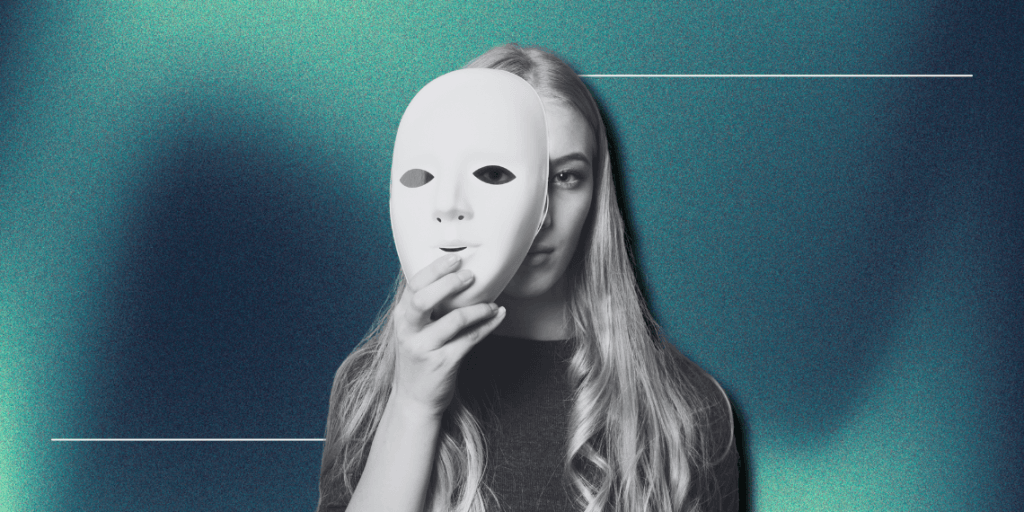
Exploring the Question “Why Do People Hide Their Depression?” In a society that often discourages openly talking about feelings and emotions, people choose to hide their depression. They put up a pretense and hide behind a smile, hoping that one day things will get better. But for many, that day never comes. Eventually, they end up realising that the image they project to the world doesn’t match the internal struggles they fight. By taking a closer look at why people hide their depression and understanding these reasons, we can challenge society’s norms that make mental health problems seem shameful. And it allows us to show more kindness and empathy to those struggling. Here are some reasons why people find it easier to hide their depression than to be open about it. Unveiling the Veil – Why Do People Hide Their Depression? Fear of being Judged and Misunderstood The fear of being judged and misunderstood can be overwhelming. Imagine getting judged for something you never asked to struggle with. To avoid such scrutiny, many choose not to make their struggles with depression known. Unfortunately, there is still a lingering stigma surrounding mental health, and far too many people wrongly perceive depression as a sign of weakness or personal failure. Not Wanting to be a Burden We all have our own personal struggles to contend with. People with depression often feel guilty about adding their problems to someone else’s plate or causing any inconvenience. They see keeping their struggles hidden as a way to protect others from the weight of their issues and believe it’s a selfless choice to spare them from additional burdens. Shame and Guilt: A big reason why people hide their depression Shame and guilt play a significant role in why people choose to hide their depression. They often blame themselves, constantly replaying scenarios of “what if,” “should’ve,” and “could’ve.” They carry a self-imposed stigma, believing they should be able to overcome their depression on their own without seeking help. This self-blame and stigma prevent them from opening up about their feelings and reaching out for support, which perpetuates a cycle of isolation and emotional distress. The Influence of Culture and Society Cultural norms and society’s expectations can shape how we view mental health. In some cultures, there’s a strong emphasis on appearing strong and resilient, which can make it difficult for people to talk about what they are going through. What’s more, society often reinforces negative stereotypes and misunderstandings about depression. People fear judgment, rejection, or being treated differently if they honestly discuss their condition. Fear of Negative Consequences People hide their depression because they are afraid of what might happen. They worry that opening up about their mental health will lead to problems. They carry a heavy burden of fearing that others may see them as weak, unreliable, or incapable. To protect themselves, and their chances of success, they act like everything is fine. This often leaves them feeling isolated and alone in their struggles. The Desire to Maintain a Positive Image In an effort to maintain a positive image, and to protect themselves, they keep their struggles to themselves. They don’t want others to see them as weak, or to treat them differently. And they worry that their emotional pain will affect their personal and professional relationships negatively. Conclusion The decision to hide one’s depression is a complex and deeply personal choice. However, we shouldn’t judge people for their struggles. Instead, we should strive to be understanding, supportive, and empathetic toward those dealing with depression. Saying that people are not alone in their struggles is important, but showing up for them is just as important. We need to actively engage in open conversations, raise awareness, and educate ourselves and others about depression. We must make a conscious effort to hear everyone, support them, and treat them with empathy. When you’re ready to move out of the shadows and face your depression, this article will guide you. Mental Matters is a resource and information platform for mental health and wellness. We provide information and resources that can help you learn about mental health, manage your mental health, and find support. However, we do not provide medical advice, diagnosis, or treatment. If you have any questions or concerns about your mental health, please consult a qualified healthcare or mental health professional. The Questions I Ask Myself to Stay Connected Dr Donna Brown Allergy Testing Bath Strong Relationships Start with Questions Underrated Books on Trauma That Deserve More Attention Reasons and Indications for Amniocentesis

Why Do People Hide Their Depression? Read More »

The “Should I Be Worried?” Feeling: Depression Warning Signs

You used to devour those trashy romance novels in a weekend, but now even starting one feels like a chore. Or maybe that gym membership you were so excited about now collects dust while you binge reruns of Friends (again). Could this funk – the one that’s been clinging to you like a stubborn cold – be more than just a bad week? Depression doesn’t always announce itself. Sometimes, it creeps in subtly. Like a weight dragging you down.  Here are some red flags to watch out for: Remember, everyone experiences depression differently. These symptoms can sometimes feel pretty normal. But if these experiences are becoming your new normal, sticking around longer than it should, and making it hard to function for at least two weeks, then it could be a sign of depression. Mental Matters is a resource and information platform. We do not provide medical advice, diagnosis, or treatment. While the information on our website is for general awareness and support, it should not replace professional advice. For any mental health concerns, please consult a qualified healthcare or mental health professional. Causes for Black Eye and When to Worry Symptoms and Warning Signs of Acute Lymphoblastic Leukaemia Recognising the Warning Signs and Symptoms of Suicide Symptoms and Early Warning Signs of ARDS Symptoms and Warning Signs of Adenomyosis

The “Should I Be Worried?” Feeling: Depression Warning Signs Read More »

Feeling Down or Hopeless? Understanding Depression Might Help

We hear “depression” thrown around a lot, but what does it really mean? It’s more than just feeling sad for a few days. Depression is a serious medical condition impacting millions worldwide. It affects how you think, feel, and act, making daily life difficult. Let’s look at what depression is, its surprising prevalence, and what it means for those experiencing it. 1. What is Depression? Depression, also known as major depressive disorder (MDD), is a medical condition negatively impacting how you feel, the way you think, and even your behaviour. It’s characterised by persistent feelings of sadness, hopelessness, and a loss of interest in activities you once enjoyed. Unlike a period of sadness, depression can be debilitating, making even the simplest tasks feel incredibly difficult. Recognised by major medical and mental health organisations like the World Health Organisation (WHO), depression is a treatable condition. With the right support and a willingness to take action, you can reclaim your life. 2. Symptoms to Watch For Depression’s symptoms can vary from person to person, but some common signs include: If you have thoughts of death or suicide, please seek immediate help. You can call the SADAG 24/7 helpline at 0800 567 567. 3. Causes and Risk Factors of Depression Depression doesn’t have a single cause; it’s often a combination of factors. Here are some common contributors: 4. Depression in South Africa The situation in South Africa is concerning. A white paper by the Wits/Medical Research Council, Developmental Pathways for Health Research Unit (DPHRU) reveals that 25.7% of South Africans are most likely depressed, with more than a quarter of respondents reporting moderate to severe symptoms of depression. The prevalence of mental illness was different across all nine provinces, with higher rates in the Northern Cape, Eastern Cape, Western Cape, Gauteng and Mpumalanga. Furthmore, approximately one in six South Africans suffer from anxiety, depression, or substance-use disorders, according to the South African Depression and Anxiety Group (SADAG). And suicide accounts for 9% of teenage deaths in South Africa, further highlighting the severity of depression. 5. Depression Around the World According to the World Health Organization (WHO): 6. Treatment Options for Depression The good news? Depression is treatable! Many people experience significant improvement in their symptoms with the right care. Here are some common treatment options: 7. Taking the First Step If you suspect you or someone you know might be struggling with depression, it’s crucial to seek professional help. Remember, millions of people experience depression, and there is absolutely no shame in reaching out for support. Talking to your doctor or a mental health professional is the bravest first step towards feeling better. Resources like the South African Depression and Anxiety Group (SADAG) helpline at 0800 567 567 or support groups can also be helpful. Understanding depression is the first step towards managing it. While it can be a challenging condition, it’s important to remember that it’s treatable. With the right support and resources, you can manage your symptoms and live a fulfilling life. Mental Matters is a resource and information platform. We do not provide medical advice, diagnosis, or treatment. While the information on our website is for general awareness and support, it should not replace professional advice. For any mental health concerns, please consult a qualified healthcare or mental health professional. A Guide to Major, Persistent, and Other Types of Depression What Suicide Prevention Month Means for Us All How to Support Someone Who Might Be Thinking About Suicide Recognising the Warning Signs and Symptoms of Suicide Suicide Prevention Support

Feeling Down or Hopeless? Understanding Depression Might Help Read More »

What Is the Difference Between Anxiety and Depression?

Mental health conditions affect millions of people worldwide, with depression and anxiety being two of the most common. While they are distinct conditions, they often overlap, making it essential to understand how they differ, how they can co-occur, and the impact they have on individuals’ lives. In this article, we explore the differences between depression and anxiety, what professionals say, and key insights on each condition. What Is Depression? Depression is a mood disorder that primarily affects emotions and mental functioning, often causing persistent feelings of sadness, hopelessness, and a lack of interest in activities once enjoyed. People with depression may feel a sense of emptiness or despair that lasts for weeks or even months. Key Symptoms of Depression What Is Anxiety? Anxiety, on the other hand, is a condition marked by excessive worry, fear, and apprehension, often about everyday situations. Unlike normal stress or occasional nervousness, anxiety can be intense and long-lasting, affecting both mental and physical well-being. Key Symptoms of Anxiety Key Differences Between Depression and Anxiety While depression and anxiety share certain symptoms, such as sleep disturbances and difficulty concentrating, the two conditions differ in their primary emotional experiences: How Common Are Depression and Anxiety? In South Africa, both depression and anxiety are widespread, but depression is particularly prevalent. According to the South African Depression and Anxiety Group (SADAG), 1 in 4 people will experience depression at some point in their lives. Meanwhile, anxiety disorders are the most common mental health conditions in the country, with an estimated 1 in 5 South Africans experiencing some form of anxiety during their lifetime. Globally, the World Health Organisation (WHO) reports that over 300 million people suffer from depression, while anxiety disorders affect over 260 million people worldwide. Both conditions often occur together, with research indicating that up to 60% of people with depression also experience an anxiety disorder (Kessler et al., 2005, Archives of General Psychiatry). Comorbidity: When Depression and Anxiety Occur Together It is not uncommon for someone to experience both anxiety and depression simultaneously. According to a study by Wittchen et al. (2011), in European Neuropsychopharmacology, approximately 50% of individuals with an anxiety disorder also meet the criteria for depression. The co-occurrence of these disorders can make diagnosis and treatment more complex, as symptoms from each disorder often overlap. What Causes Depression and Anxiety? The exact causes of both depression and anxiety are complex and multifactorial. However, several factors can contribute to the development of either condition: Diagnosing Depression and Anxiety If you suspect you may be experiencing depression or anxiety, it’s crucial to consult with a healthcare professional. In South Africa, you can start by speaking with your GP, who can refer you to mental health specialists. Public hospitals and clinics offer low-cost mental health services, and you can also connect with private therapists through our online directory. A professional will assess your symptoms and determine whether you meet the diagnostic criteria for either condition using standard diagnostic tools like the DSM-5 (Diagnostic and Statistical Manual of Mental Disorders). Treatment Options for Depression and Anxiety Both depression and anxiety are treatable conditions. Treatment typically involves a combination of therapy, medication, and lifestyle changes. The most common options include: 1. Therapy: 2. Medication: 3. Lifestyle Changes: Seeking Help If you’re struggling with depression or anxiety, it’s important to seek help as soon as possible. In South Africa, SADAG and Lifeline South Africa offer 24-hour helplines and resources. Reach out to these services if you need immediate support. Final Thoughts While anxiety and depression share some common ground, understanding the differences between the two conditions is essential for effective treatment. Both conditions are treatable, and with the right support, individuals can manage their symptoms and improve their quality of life. If you or someone you know is experiencing symptoms of either disorder, don’t hesitate to seek professional help. Mental Matters is a resource and information platform. We do not provide medical advice, diagnosis, or treatment. While the information on our website is for general awareness and support, it should not replace professional advice. For any mental health concerns, please consult a qualified healthcare or mental health professional. Spec-Savers Key West Audiology Krugersdorp Spec-Savers Key West Krugersdorp Jonathan Keys Opticians Belfast Clinical Depression in Adults Spec-Savers Worcester

What Is the Difference Between Anxiety and Depression? Read More »

Scroll to Top