Mental Matters

Mental Matters

  • Health & Wellness
  • Mental Health
  • Live Better
  • Directory
  • Articles & Guides
  • Advertise
  • Blog
  • Fields
  • Health & Wellness
  • Mental Health
  • Live Better
  • Directory
  • Articles & Guides
  • Advertise
  • Blog
  • Fields
  • Health & Wellness
  • Mental Health
  • Live Better
  • Directory
  • Articles & Guides
  • Advertise
  • Blog
  • Fields
  • Health & Wellness
  • Mental Health
  • Live Better
  • Directory
  • Articles & Guides
  • Advertise
  • Blog
  • Fields

Causes and Risk Factors of Binge Eating Disorder

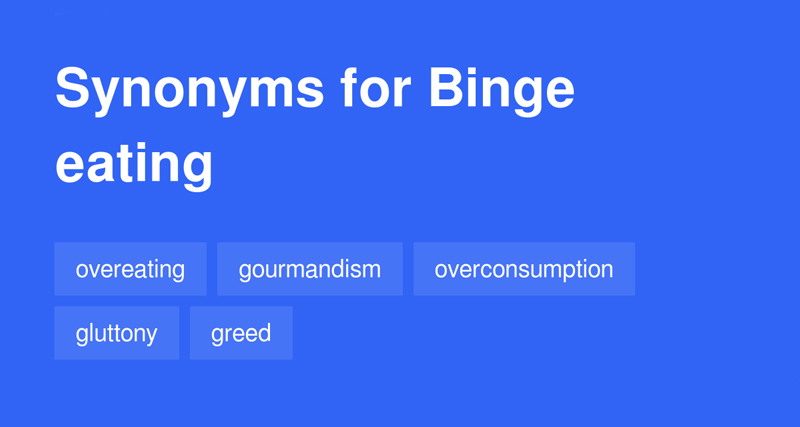
List of synonyms for binge eating, including overeating, gluttony, and overconsumption, highlighting language associated with disordered eating.

Terms often linked to binge eating behaviours—such as overeating and gluttony—can reflect underlying emotional or psychological triggers.

Causes and Risk Factors of Binge Eating Disorder

The causes and risk factors of binge eating disorder of binge eating disorder are complex and multifactorial, involving a mix of biological, psychological, and environmental factors. Understanding these can help reduce stigma and promote compassionate, effective support.

Biological and genetic causes:

  • BED may run in families, suggesting a genetic component.
  • Brain chemistry imbalances, especially involving dopamine and serotonin, may affect impulse control and reward response.
  • Hormonal and metabolic disturbances, including insulin resistance or polycystic ovary syndrome (PCOS), may play a role.

Psychological risk factors:

  • Depression and anxiety: A large number of people with BED have co-existing mood disorders.
  • Low self-esteem and body dissatisfaction: Negative body image is a strong predictor of disordered eating.
  • Poor emotional regulation: BED often develops as a way to cope with difficult feelings, trauma, or chronic stress.
  • Perfectionism and rigid dieting: Extreme restriction can lead to loss of control and binge episodes.

Environmental and social triggers:

  • Weight stigma: Judgement or teasing about weight can increase shame and secretive eating.
  • Family dynamics: Growing up in a household with erratic food availability, critical comments, or emotional neglect may contribute.
  • Trauma and abuse: Physical, emotional, or sexual abuse in childhood is a significant risk factor.

Cultural influences:

  • In South Africa, societal messages around thinness, masculinity, and control can add pressure and silence sufferers.
  • In some communities, larger body sizes may be more accepted — but emotional eating may still go unrecognised or misunderstood.

Causes and Risk Factors of Binge Eating Disorder

Diet culture, common in both Western and South African society, can also fuel BED. Constant focus on restriction, “good” vs. “bad” foods, or rapid weight loss sets the stage for binge-restrict cycles.

Not everyone with BED fits a stereotype. It affects people of all sizes and races — and anyone who feels trapped in cycles of eating, guilt, and secrecy deserves professional support.

👉 [Next: Diagnosis of Binge Eating Disorder]


Binge Eating Disorder
Treatment of Binge Eating Disorder
Complications and Living with Binge Eating Disorder
Understanding Eating Disorders

Related Posts

Man holding his hand in pain from a suspected broken finger
Broken Finger

Symptoms of a Broken Finger

June 11, 2025

Symptoms of a Broken Finger Symptoms of a Broken Finger often appear...

Detailed anatomical illustration of alveoli and blood vessels, depicting lung structures vital for respiratory diagnosis.
Boils

Diagnosis and When to Seek Help

June 10, 2025

Diagnosis and When to Seek Help Diagnosis and when to seek help...

Mental Matters

Facebook Instagram

Your Weekly Dose of Mental Health Support
– Straight to Your Inbox

  • Your journey to better mental health starts here—with expert insights and helpful resources delivered weekly.


© 2025 Mental Matters. All rights reserved. The content on this website is intended for informational purposes only and does not constitute medical advice, diagnosis, or treatment. Please consult a qualified health professional for any medical concerns.

Quick Links

  • Directory

  • Advertise

  • Conditions

  • Real Talk

  • Eating Disorders

  • Depressed

  • Autism

  • Community

  • Resources

About

  • Get In Touch

  • Home

  • Privacy Policy

  • Suicide Prevention Support

  • Terms & Conditions

© 2025 Mental Matters. All rights reserved.

No Result
View All Result
  • Health & Wellness
  • Mental Health
  • Live Better
  • Directory
  • Articles & Guides
  • Advertise
  • Blog
  • Fields

© MENTAL MATTERS 2024