
Causes and Risk Factors of Bowel Polyps
The causes and risk factors of bowel polyps are multifactorial, involving genetic, environmental, and lifestyle elements. Recognising the risk is essential for early detection and prevention of more serious colorectal conditions.
6 Causes and Risks
1. Genetic conditions and family history
Hereditary syndromes like Familial Adenomatous Polyposis (FAP) and Lynch syndrome significantly raise polyp risk. Even without these syndromes, having a close relative with colorectal polyps or cancer increases risk.
2. Ageing
The majority of cases are diagnosed in individuals over 50. Cellular changes and cumulative exposure to environmental factors make older adults more vulnerable to polyp development.
3. Diet and lifestyle
High consumption of red or processed meat, low fibre intake, smoking, alcohol use, and obesity all play a role. These behaviours contribute to chronic inflammation and reduced digestive efficiency.
4. Chronic bowel conditions
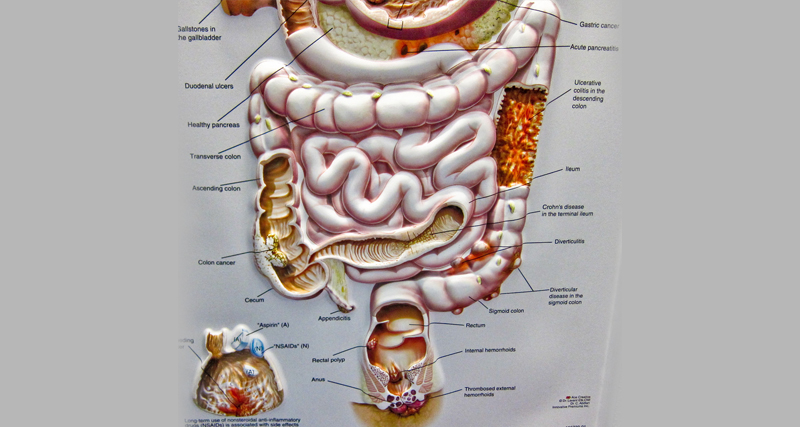
People with ulcerative colitis or Crohn’s disease face increased risk due to long-term bowel inflammation, which can lead to both inflammatory and adenomatous polyps.
5. Diabetes and metabolic health
Type 2 diabetes, especially when poorly managed, is associated with higher risk. Insulin resistance may create conditions favourable to polyp growth.
6. Environmental and hormonal exposure
Long-term hormone therapy or prior radiation to the pelvic region may increase susceptibility, though evidence is still evolving.
Causes and Risk Factors of Bowel Polyps
In South Africa, limited access to dietary education, unequal healthcare distribution, and low screening uptake exacerbate the causes. Increasing community awareness and encouraging screening can dramatically reduce risk.
👉 [Next: Diagnosis and Evaluation of Bowel Polyps]