Mental Matters

Mental Matters

  • Health & Wellness
  • Mental Health
  • Live Better
  • Directory
  • Articles & Guides
  • Advertise
  • Blog
  • Fields
  • Health & Wellness
  • Mental Health
  • Live Better
  • Directory
  • Articles & Guides
  • Advertise
  • Blog
  • Fields
  • Health & Wellness
  • Mental Health
  • Live Better
  • Directory
  • Articles & Guides
  • Advertise
  • Blog
  • Fields
  • Health & Wellness
  • Mental Health
  • Live Better
  • Directory
  • Articles & Guides
  • Advertise
  • Blog
  • Fields

Causes and Risk Factors of BPD

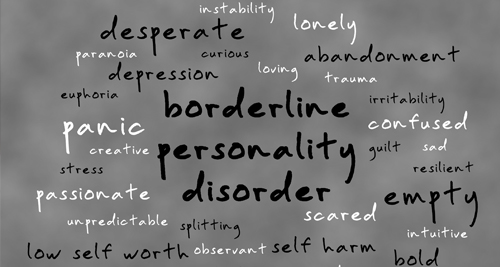
Word cloud showing emotional terms linked to borderline personality disorder such as fear, emptiness, panic, and self-harm.

A visual word cloud capturing the emotional and psychological themes often associated with the causes of BPD.

Causes and Risk Factors of BPD

The exact causes of Borderline Personality Disorder (BPD) are not fully understood, but most researchers agree that it results from a combination of biological, psychological, and environmental factors. These interact during early development to influence brain function, emotional regulation, and attachment styles. Learn more about the causes and risk factors of bpd below.

1. Genetic predisposition

  • People with a family history of BPD or other mental illnesses may be more likely to develop the disorder.
  • While no single gene causes BPD, genetic factors contribute to emotional sensitivity, impulsivity, and vulnerability to trauma.

2. Brain structure and function

  • Brain imaging studies show abnormalities in areas like the amygdala, hippocampus, and prefrontal cortex, which regulate emotions and decision-making.
  • These areas may function differently in people with BPD, leading to poor impulse control and emotional instability.

3. Early life trauma

  • One of the strongest predictors of BPD is childhood trauma, including:
    • Physical, sexual, or emotional abuse
    • Neglect or abandonment
    • Loss of a parent or caregiver
    • Witnessing domestic violence or substance abuse

4. Invalidating environment

  • Environments that ignore or punish a child’s emotional expression contribute to poor emotional regulation.
  • Being told to “stop overreacting” or “toughen up” as a child can teach people to distrust or suppress their emotions.

5. Neurobiological sensitivity

  • Some people are born with more reactive nervous systems.
  • They feel emotions more deeply, have stronger physical reactions to stress, and recover more slowly after emotional upsets.

6. Gender and cultural factors

  • BPD is more commonly diagnosed in women, possibly due to gender biases in mental health assessments.
  • In South Africa, cultural stigma around emotional vulnerability or mental illness can delay diagnosis and worsen feelings of isolation.

7. Social factors

  • Chronic poverty, community violence, and unstable home environments are all contributing stressors.
  • Lack of access to mental health resources or early intervention can turn manageable symptoms into long-term patterns.

Causes and Risk Factors of BPD

Understanding the origins of BPD is essential for approaching it with compassion and clinical accuracy, not judgment.

👉 [Next: Diagnosis and Recognition of BPD]


Borderline Personality Disorder
Borderline Personality Disorder: What You Should Know
Living with BPD
Treatment Options for BPD

Related Posts

Woman using ice, towel, and pillow to relieve swelling and manage symptoms of a Baker’s cyst in the leg.
Baker’s Cyst

Treatment and Management of Baker’s Cyst

June 9, 2025

Treatment and Management of Baker’s Cyst The treatment and management of a...

Immunosuppressive medication for granulomatosis with polyangiitis treatment
Granulomatosis with Polyangiitis

Treatment of Granulomatosis with Polyangiitis

July 11, 2025

Treatment of Granulomatosis with Polyangiitis Treating granulomatosis with polyangiitis (GPA) involves two...

Mental Matters

Facebook Instagram

Your Weekly Dose of Mental Health Support
– Straight to Your Inbox

  • Your journey to better mental health starts here—with expert insights and helpful resources delivered weekly.


© 2025 Mental Matters. All rights reserved. The content on this website is intended for informational purposes only and does not constitute medical advice, diagnosis, or treatment. Please consult a qualified health professional for any medical concerns.

Quick Links

  • Directory

  • Advertise

  • Conditions

  • Real Talk

  • Eating Disorders

  • Depressed

  • Autism

  • Community

  • Resources

About

  • Get In Touch

  • Home

  • Privacy Policy

  • Suicide Prevention Support

  • Terms & Conditions

© 2025 Mental Matters. All rights reserved.

No Result
View All Result
  • Health & Wellness
  • Mental Health
  • Live Better
  • Directory
  • Articles & Guides
  • Advertise
  • Blog
  • Fields

© MENTAL MATTERS 2024