Mental Matters

Mental Matters

  • Health & Wellness
  • Mental Health
  • Live Better
  • Directory
  • Articles & Guides
  • Advertise
  • Blog
  • Fields
  • Health & Wellness
  • Mental Health
  • Live Better
  • Directory
  • Articles & Guides
  • Advertise
  • Blog
  • Fields
  • Health & Wellness
  • Mental Health
  • Live Better
  • Directory
  • Articles & Guides
  • Advertise
  • Blog
  • Fields
  • Health & Wellness
  • Mental Health
  • Live Better
  • Directory
  • Articles & Guides
  • Advertise
  • Blog
  • Fields

Causes and Triggers of Atopic Eczema

Causes and Triggers of Atopic Eczema

Causes and Triggers of Atopic Eczema

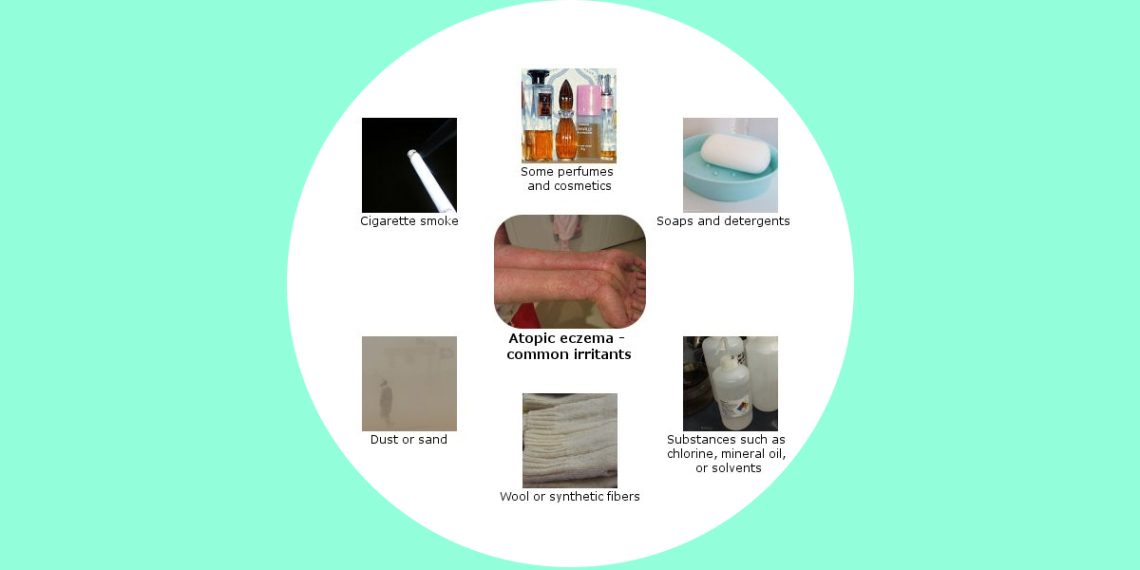
The exact causes and triggers of atopic eczema isn’t fully understood, but it appears to result from a mix of genetics, immune system dysfunction, and environmental triggers. People with eczema often have a weakened skin barrier, allowing moisture to escape and irritants or allergens to enter.

Main causes and contributing factors:

  • Genetics: A family history of eczema, asthma, or allergic rhinitis increases risk.
  • Immune overreaction: Triggers cause inflammation and itching.
  • Skin barrier defects: Lack of protective proteins leads to dryness and irritation.

Common triggers:

  • Soaps, detergents, perfumes, and disinfectants
  • Dust mites, pet dander, pollen, and mould
  • Sweat and heat
  • Wool or synthetic clothing
  • Stress or anxiety
  • Food allergies (more common in children)

In South Africa, eczema often worsens in dry winters or hot humid climates, and urban pollution may exacerbate flare-ups. Overwashing and harsh soaps are frequent culprits.

Avoiding triggers is as important as treatment itself — personalised management helps reduce flare frequency and severity.

Understanding the Root Causes

Atopic eczema arises from a combination of genetic factors and environmental influences. A weakened skin barrier, combined with an overreactive immune system, makes individuals more vulnerable to irritants and allergens. While the exact cause may vary, recognising these contributing elements is key to effective, personalised care.

Managing Triggers in Everyday Life

In South Africa, climate extremes, pollution, and harsh skincare products are common eczema triggers. Identifying and avoiding personal irritants — whether food, fabric, or stress — plays a major role in long-term control. With awareness and consistent management, many flare-ups can be minimised, improving comfort and skin resilience over time.

👉 [Next: Diagnosis of Atopic Eczema]


Atopic Eczema Overview

Treatment of Atopic Eczema

Complications of Atopic Eczema

Prevention and Daily Care for Eczema

Related Posts

Illustration of a man clutching his chest with directional arrows indicating heart signal disturbance
Brugada Syndrome

Brugada Syndrome

June 11, 2025

Brugada Syndrome – Overview Brugada syndrome is a rare but serious genetic...

Close-up of a foot with a visible corn on the sole, showing thickened, hardened skin.
Corns

Corns

June 17, 2025

Corns – Overview Corns are thickened areas of skin that develop as...

Mental Matters

Facebook Instagram

Your Weekly Dose of Mental Health Support
– Straight to Your Inbox

  • Your journey to better mental health starts here—with expert insights and helpful resources delivered weekly.


© 2025 Mental Matters. All rights reserved. The content on this website is intended for informational purposes only and does not constitute medical advice, diagnosis, or treatment. Please consult a qualified health professional for any medical concerns.

Quick Links

  • Directory

  • Advertise

  • Conditions

  • Real Talk

  • Eating Disorders

  • Depressed

  • Autism

  • Community

  • Resources

About

  • Get In Touch

  • Home

  • Privacy Policy

  • Suicide Prevention Support

  • Terms & Conditions

© 2025 Mental Matters. All rights reserved.

No Result
View All Result
  • Health & Wellness
  • Mental Health
  • Live Better
  • Directory
  • Articles & Guides
  • Advertise
  • Blog
  • Fields

© MENTAL MATTERS 2024