
Causes and Types of Angioedema
Angioedema can result from allergic reactions, medication side effects, autoimmune responses, or genetic mutations. The causes and types of angioedema often determine whether the swelling is short-lived or chronic, and whether it responds to antihistamines.
1. Allergic (Histaminergic) Angioedema
- Most common type
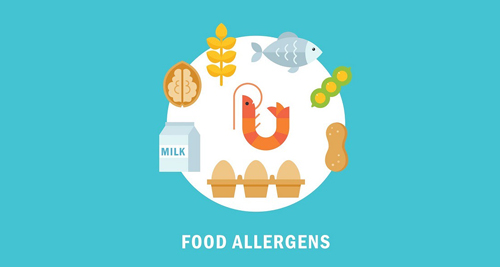
- Triggered by allergens like foods (e.g. shellfish, nuts), insect stings, latex, or medications
- Usually occurs alongside hives
- Responds well to antihistamines and corticosteroids
2. Non-Allergic Drug-Induced Angioedema
- Most often caused by ACE inhibitors (used for high blood pressure)
- Can occur months or years after starting the medication
- Usually affects the face, lips, and tongue, without hives
- Does not respond to antihistamines — stopping the medication is key
3. Hereditary Angioedema (HAE)
- Rare genetic disorder caused by C1-inhibitor deficiency
- Leads to recurrent, severe swelling — often of the airways or digestive tract
- Not associated with hives and does not respond to antihistamines
- Requires specific treatment (e.g. C1-inhibitor replacement)
4. Acquired Angioedema
- May be linked to autoimmune diseases or cancer
- Often presents later in life
- Requires specialist investigation
5. Idiopathic Angioedema
- Cause is unknown
- Diagnosis is made after ruling out all other types
Understanding the underlying cause is essential for long-term management and preventing recurrence.
👉 [Next: Diagnosis of Angioedema]
Understanding Idiopathic Pancreatitis