Mental Matters

Mental Matters

  • Health & Wellness
  • Mental Health
  • Live Better
  • Directory
  • Articles & Guides
  • Advertise
  • Blog
  • Fields
  • Health & Wellness
  • Mental Health
  • Live Better
  • Directory
  • Articles & Guides
  • Advertise
  • Blog
  • Fields
  • Health & Wellness
  • Mental Health
  • Live Better
  • Directory
  • Articles & Guides
  • Advertise
  • Blog
  • Fields
  • Health & Wellness
  • Mental Health
  • Live Better
  • Directory
  • Articles & Guides
  • Advertise
  • Blog
  • Fields

Causes of Corticobasal Degeneration

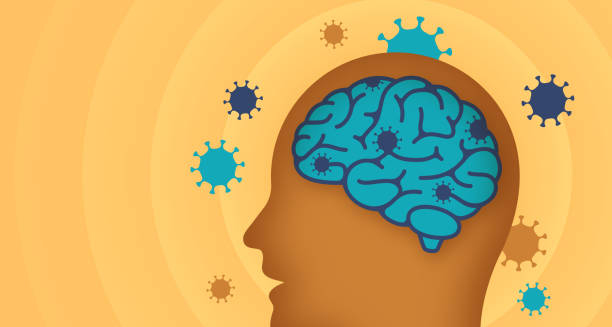
Illustration of a brain with virus-like particles, symbolising unknown and neurological causes of corticobasal degeneration.

Corticobasal degeneration is linked to abnormal brain protein buildup and neurodegeneration.

Causes of Corticobasal Degeneration

Causes of corticobasal degeneration are not fully understood. However, the condition is strongly associated with the accumulation of abnormal tau protein in the brain. This protein, which normally supports the internal structure of nerve cells. Therefore, becomes misfolded and clumps together, leading to cell dysfunction and death. As corticobasal degeneration progresses, these tau deposits spread through the cerebral cortex and basal ganglia, disrupting motor and cognitive function.

Causes of Corticobasal Degeneration

Unlike some neurodegenerative disorders that are linked to clear genetic mutations. Most cases of corticobasal degeneration are sporadic, meaning they arise with no known family history or inherited pattern. Although rare familial cases have been reported, no single gene has been consistently associated with the condition. This suggests a complex interplay between genetic predisposition and environmental factors.

The build-up of tau protein places corticobasal degeneration within a group of diseases known as tauopathies, which also includes Alzheimer’s disease, progressive supranuclear palsy (PSP), and frontotemporal dementia (FTD). Each of these conditions is characterised by the presence of tau pathology, but the distribution and effects on the brain differ significantly.

Some researchers have explored potential environmental or lifestyle risk factors, such as head trauma, exposure to toxins, or infections, but no conclusive link has been established. There is also no evidence that corticobasal degeneration is contagious or caused by an infection.

Causes of Corticobasal Degeneration

The disease affects certain areas of the brain more severely, including the posterior frontal lobe and parietal lobe, which are involved in movement and spatial awareness. This explains many of the hallmark symptoms such as clumsiness, stiffness, and coordination problems.

In summary, causes of corticobasal degeneration involve the abnormal accumulation of tau protein in specific brain regions. While the exact triggers remain unknown, research continues into the genetic and environmental factors that may contribute to its onset. Understanding these mechanisms is crucial for developing future treatments.

[Next: Symptoms of Corticobasal Degeneration →]

Diagnosis of Corticobasal Degeneration

https://mentalmatters.co.za/corticobasal-degeneration/
Complications and Recovery from Corticobasal Degeneration
Treatment of Corticobasal Degeneration

Related Posts

Illustration showing diabetes management tools, medication, and glucose monitoring for diabetic ketoacidosis recovery
Diabetic Ketoacidosis

Complications and Recovery from Diabetic Ketoacidosis

June 24, 2025

Complications and Recovery from Diabetic Ketoacidosis Complications and recovery from diabetic ketoacidosis...

Red blood cells with glucose particles representing hypoglycaemia causes
Health Conditions

Causes of Hypoglycaemia

July 28, 2025

Hypoglycaemia happens when blood sugar falls below what the body and brain...

Mental Matters

Facebook Instagram

Your Weekly Dose of Mental Health Support
– Straight to Your Inbox

  • Your journey to better mental health starts here—with expert insights and helpful resources delivered weekly.


© 2025 Mental Matters. All rights reserved. The content on this website is intended for informational purposes only and does not constitute medical advice, diagnosis, or treatment. Please consult a qualified health professional for any medical concerns.

Quick Links

  • Directory

  • Advertise

  • Conditions

  • Real Talk

  • Eating Disorders

  • Depressed

  • Autism

  • Community

  • Resources

About

  • Get In Touch

  • Home

  • Privacy Policy

  • Suicide Prevention Support

  • Terms & Conditions

© 2025 Mental Matters. All rights reserved.

No Result
View All Result
  • Health & Wellness
  • Mental Health
  • Live Better
  • Directory
  • Articles & Guides
  • Advertise
  • Blog
  • Fields

© MENTAL MATTERS 2024