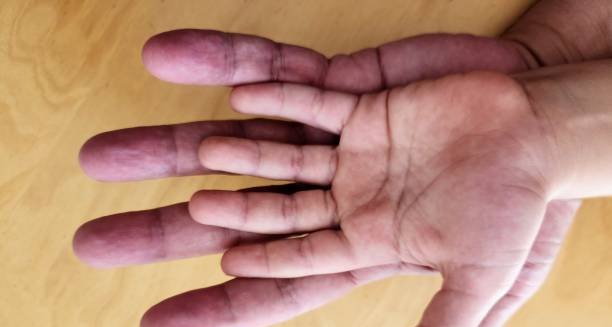

Causes of Dupuytren’s Contracture
The causes of Dupuytren’s contracture are not fully understood, but research shows a strong link to inherited traits. It is widely accepted that genetics play a central role, as the condition often runs in families and is more prevalent among people of Northern European descent. If a close relative has the condition, there is a higher chance of developing it.
One of the main causes of Dupuytren’s contracture is believed to be genetic mutations affecting the connective tissue in the palm. These changes cause the fascia to thicken and form fibrous cords over time, leading to the contracture. While the underlying mechanisms remain under investigation, scientists believe the condition is part of a broader group of fibromatoses—disorders involving abnormal growth of connective tissue.
Certain lifestyle and medical factors may increase the risk or speed up progression. These include diabetes, epilepsy, excessive alcohol consumption, and smoking. While these are not direct causes, they are consistently found in higher rates among individuals with the condition. In South Africa, where diabetes rates are rising and access to early screening may be limited in some areas, these risk factors warrant attention.
Men are more likely to develop the condition than women, and symptoms typically appear after age 40. However, some younger individuals may also develop early signs, particularly if they carry a strong genetic predisposition. The condition tends to be more aggressive in younger patients, with faster progression and more severe finger involvement.
Although repetitive hand movements or manual labour were once considered possible triggers, studies now suggest that they are not primary causes of Dupuytren’s contracture. However, trauma or injury to the hand may worsen symptoms or bring an existing condition to medical attention sooner.
Causes of Dupuytren’s Contracture
Hormonal imbalances may also play a role. Some researchers suggest that testosterone may influence disease progression, which could explain why men are more commonly affected. However, hormonal treatments are not currently used in management due to limited supporting evidence.
Another factor worth noting is the use of certain medications, particularly those used to manage epilepsy. Long-term use of anticonvulsant drugs like phenytoin has been associated with higher incidence, although the relationship is still debated.
Understanding the causes of Dupuytren’s contracture helps identify at-risk individuals and encourages early monitoring. While prevention may not be possible due to its genetic basis, controlling lifestyle risk factors—such as smoking and blood sugar levels—can help slow the progression or delay onset in some cases.
[Next: Symptoms of Dupuytren’s Contracture →]