
Causes of Dystonia
The causes of dystonia vary widely and can include genetic mutations, brain injury, medication side effects, or other neurological conditions. In many cases, however, the exact cause is never identified. Dystonia can be classified as primary (idiopathic) when it is the main condition or secondary when it results from another illness or injury.
Genetic factors play a significant role in many forms of dystonia. Certain inherited types are linked to specific gene mutations, such as DYT1 or GNAL. These forms often begin in childhood or adolescence and may progress from a single limb to involve multiple body parts. A family history of similar symptoms can provide clues during diagnosis.
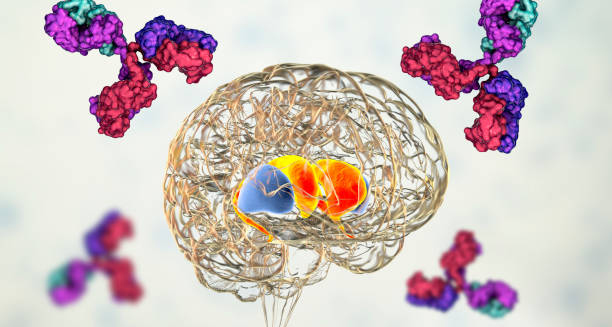
Secondary dystonia may develop due to damage to the basal ganglia—an area of the brain responsible for movement control. Causes of such damage include stroke, traumatic brain injury, cerebral palsy, brain tumours, or infections like encephalitis. In these cases, dystonia is just one of several neurological symptoms.
Another known cause is drug-induced dystonia. Some medications, particularly antipsychotic drugs and certain anti-nausea treatments, can trigger involuntary muscle contractions. This is called acute dystonic reaction and typically occurs shortly after starting the medication. Long-term use of these drugs may lead to tardive dystonia, a more persistent and difficult-to-treat form.
Other Causes
Metabolic or degenerative disorders such as Wilson’s disease, multiple system atrophy, or Parkinson’s disease can also cause dystonia as part of their wider symptom profile. In these cases, treating the underlying disease is critical to managing the dystonic movements.
In South Africa, limited access to neurological assessments and genetic testing can make identifying the causes of dystonia more challenging. Many patients are diagnosed based on clinical symptoms alone, and secondary causes may go unnoticed if advanced imaging or specialist referrals are unavailable.
Environmental and perinatal factors may also contribute. Premature birth, lack of oxygen during delivery, or neonatal infections are potential risk factors in developing dystonia later in life—especially when combined with other neurological complications.
Causes of Dystonia
While the cause may remain unclear in some patients, understanding potential triggers or risk factors helps guide treatment decisions. Identifying whether the dystonia is focal, segmental, or generalised also provides valuable information for determining the best approach.
Recognising the causes of dystonia early can reduce unnecessary suffering and lead to better symptom control. Accurate diagnosis allows for targeted therapies and improved patient support, whether the condition is inherited, acquired, or drug-related.
[Next: Symptoms of Dystonia →]