
Causes of Epilepsy
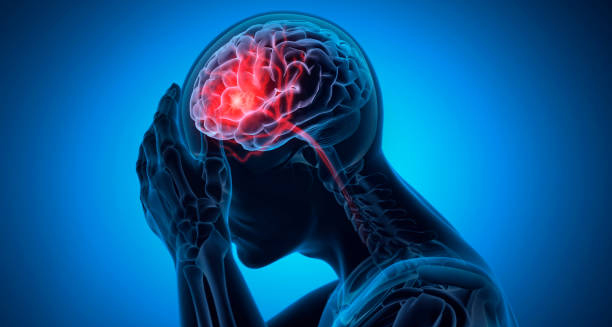
The causes of epilepsy are diverse. In many cases, especially among adults, the exact cause may remain unknown. However, epilepsy often results from damage or disruption to brain function due to illness, injury, or genetic factors.
Structural Causes
Head injury – A blow to the head, especially with brain bleeding, can trigger seizures.
Stroke – Interrupts blood flow to the brain and is a leading cause of epilepsy in older adults.
Brain tumours or cysts – Can press on brain tissue and cause abnormal electrical signals.
Birth injuries – Lack of oxygen during delivery may damage the infant’s brain and lead to seizures.
Brain infections – Meningitis, encephalitis, and neurocysticercosis are common triggers.
Genetic Factors
Some types of epilepsy are inherited. Faulty genes may alter the way brain cells communicate. In these cases, epilepsy may appear in childhood and often runs in families. Genetic epilepsy syndromes may be mild or severe.
Metabolic or Chemical Imbalance
Conditions that disrupt the body’s chemical balance can cause seizures:
Low blood sugar
Very low sodium
Liver or kidney failure
Withdrawal from alcohol or drugs
Developmental Disorders
Conditions like autism, cerebral palsy, and Down’s syndrome are associated with a higher risk of epilepsy. Seizures may be one of several neurological complications.
Causes of Epilepsy In South Africa
In South Africa, causes like head trauma from car accidents, infections such as TB meningitis, and HIV-related brain complications are more common than in high-income countries. Neurocysticercosis, caused by tapeworm infection, is also a recognised trigger in areas with poor sanitation.
Unfortunately, many cases go undiagnosed or untreated due to lack of access to healthcare or diagnostic tools like MRI and EEG. Rural clinics may also lack trained professionals to identify the condition.
Understanding the causes of epilepsy helps guide treatment and, in some cases, prevent it. Better healthcare access and public education remain key to improving outcomes across all communities.
[Next: Symptoms of Epilepsy →]