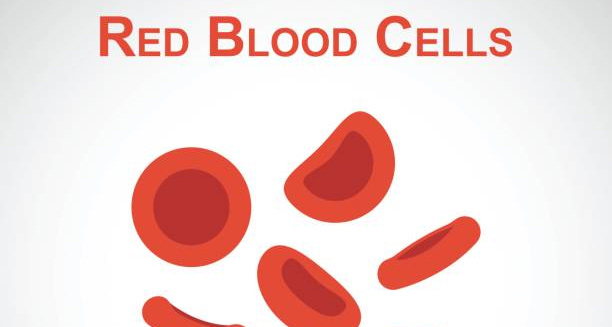

Iron deficiency anaemia occurs when the body lacks enough iron to make adequate haemoglobin — the protein in red blood cells that carries oxygen through the body. Without enough haemoglobin, oxygen delivery to organs and tissues suffers. This leads to fatigue, weakness, shortness of breath, and pale skin. Knowing the causes of iron deficiency anaemia helps doctors diagnose and treat it properly and prevent it from coming back.
This anaemia happens when the body’s need for iron outpaces the iron it gets or can use. The causes fall into four main groups: not enough iron in the diet, chronic blood loss, poor iron absorption, and higher iron needs. Each group includes different conditions or situations that can cause iron levels to drop.
1. Low Iron in the Diet
A common cause of iron deficiency anaemia is eating too little iron. Iron comes from two main sources: haem iron and non-haem iron. Haem iron comes from animal foods like red meat, poultry, and fish. Non-haem iron is found in plants such as beans, leafy greens, and fortified cereals. The body absorbs haem iron much better than non-haem iron.
People who follow vegetarian or vegan diets, or eat mostly processed foods, often risk low iron. This risk rises if they don’t eat foods rich in vitamin C, which helps absorb non-haem iron. Also, some plant compounds like phytates, polyphenols, and calcium can block iron absorption, making it harder to get enough iron from plants alone.
In poorer or food-insecure areas, not getting enough iron in the diet is a major cause, especially for children and pregnant women. Food fortification and public health programs play a big role in fixing these gaps.
2. Chronic Blood Loss
Losing blood over time is the most common cause of iron deficiency anaemia in adults, especially in wealthier countries. The body loses small amounts of iron daily through skin and gut cells, but most iron loss happens through bleeding. If blood loss is more than what the body can replace, iron stores run low and anaemia develops.
For women of childbearing age, heavy menstrual bleeding is the main cause. Conditions like fibroids, endometriosis, or hormone problems can cause heavy periods. Sometimes women don’t realize their bleeding is abnormal and think their tiredness is normal life stress.
In men and older women, blood loss usually comes from the digestive system. Ulcers, haemorrhoids, diverticulosis, or bowel diseases like Crohn’s or colitis can cause bleeding. A serious concern is colorectal cancer, which can bleed slowly without obvious signs. Overusing painkillers like ibuprofen or aspirin can also irritate the gut lining and cause bleeding.
Often, this blood loss is hidden and only found through screening tests like stool tests or colonoscopy when investigating unexplained anaemia.
3. Poor Iron Absorption
Even if a person eats enough iron, certain conditions can stop the body from absorbing it properly. Coeliac disease is a common cause. This autoimmune illness damages the small intestine when gluten is eaten, making it hard to absorb nutrients like iron. People with untreated coeliac disease often have ongoing iron deficiency anaemia.
Other stomach or gut problems like atrophic gastritis or Helicobacter pylori infection can lower stomach acid or damage gut lining. Stomach acid helps change iron into a form the body can absorb. Medicines like antacids, proton pump inhibitors, or H2 blockers that reduce stomach acid can also block absorption if used for a long time.
Surgery that changes the digestive tract, such as gastric bypass, can reduce iron absorption by bypassing key areas. These patients often need lifelong iron supplements and monitoring.
4. Increased Iron Needs
Some life stages increase the body’s iron needs. If these are not met with diet or supplements, iron deficiency anaemia can result. Pregnant women need double the iron to support the growing baby, so iron supplements are standard during pregnancy.
Babies and young children need more iron for growth and brain development. Premature or low-birth-weight babies are especially at risk because they miss important iron buildup before birth. Breastfed infants older than six months may need extra iron or iron-rich foods.
Teenagers, especially girls who have started menstruating, face higher iron needs due to growth and monthly blood loss. Poor diets with lots of processed foods worsen this risk.
Endurance athletes, such as runners, may also lose iron through sweat, foot impact, or gut bleeding during long exercise. These athletes should check their iron levels regularly.
5. Other Causes
Infections like hookworm, malaria, and schistosomiasis are major causes of iron deficiency anaemia in some parts of the world. These parasites cause blood loss or destroy red blood cells. Hookworms attach to the gut lining and feed on blood, causing ongoing iron loss.
A rare inherited condition called iron-refractory iron deficiency anaemia (IRIDA) stops the body from using iron properly, even with enough intake. People with IRIDA usually need intravenous iron treatment.
Frequent blood donors, especially women, may also develop iron deficiency over time. Regular donors should check their iron and consider supplements if needed.
The causes of iron deficiency anaemia are many and varied. They include poor diet, ongoing blood loss, poor absorption, and increased needs. Finding the exact cause helps doctors treat it well and stop it from coming back. Whether due to lifestyle, illness, or environment, iron deficiency is preventable and treatable with early care.