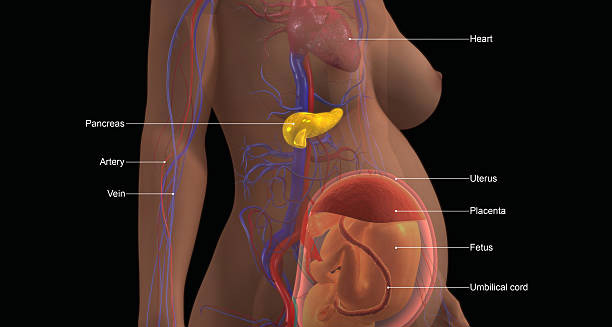

Jaundice in newborns is primarily the result of elevated bilirubin levels in the blood, which leads to the characteristic yellowing of the skin and eyes.
This condition often clears on its own, especially in full-term babies. However, when it starts very early, lasts too long, or becomes severe, it may signal a deeper problem. Understanding the many causes of jaundice in newborns is key to treating it quickly and preventing serious problems like brain damage from too much bilirubin.
Bilirubin is a yellow substance made when red blood cells break down. In most people, the liver clears it out through bile. But in newborns—especially those born early—the liver may not work well enough yet. Because of this, bilirubin builds up in the blood. This process explains many of the common causes of jaundice in newborns.
Physiological Jaundice
The most common and mildest type is called physiological jaundice. It affects about 60% of full-term and 80% of preterm babies during the first week.
This type happens because:
- The baby’s liver is still developing and clears bilirubin slowly.
- Newborns have more red blood cells than adults, and these break down faster.
- Slower bowel movements mean bilirubin doesn’t leave the body quickly and gets reabsorbed.
Physiological jaundice usually starts within the first 24 to 72 hours. It peaks around the third to fifth day, and it goes away in about one to two weeks. Doctors often just monitor it, and treatment is rarely needed.
Breastfeeding-Related Jaundice
Two types of jaundice in newborns relate to breastfeeding: breastfeeding jaundice and breast milk jaundice.
a. Breastfeeding Jaundice
This shows up during the first week and often links to low milk intake. It may happen due to:
- Poor latching or sucking
- A late start to breastfeeding
- Dehydration and fewer bowel movements
Less feeding means fewer stools, which slows bilirubin removal. Once feeding improves, bilirubin levels usually drop.
b. Breast Milk Jaundice
This begins after the first week and may last for a few weeks. Experts think some natural substances in the mother’s milk slow down how the body handles bilirubin.
Even though the exact reason remains unclear, this type is not harmful. Doctors rarely suggest stopping breastfeeding unless bilirubin levels rise too high.
Haemolytic Disease of the Newborn (HDN)
One of the more serious causes of jaundice in newborns is haemolytic disease. In this condition, the mother’s antibodies attack the baby’s red blood cells. This attack causes fast cell breakdown and quick bilirubin build-up.
There are two main types:
- Rh incompatibility: When an Rh-negative mother carries an Rh-positive baby, her body may form antibodies against the baby’s red cells.
- ABO incompatibility: This is more common and less severe. It happens when the mother’s blood type is O, and the baby’s type is A or B.
This kind of jaundice usually shows up in the first 24 hours, which is always a warning sign. Treatment may need to start right away, using light therapy or a special blood exchange.
Infections and Their Role in Jaundice
Infections also play a big role in the causes of jaundice in newborns. These infections can start before birth, during birth, or soon after.
Examples include:
- Sepsis
- Urinary tract infections
- Cytomegalovirus (CMV)
- Toxoplasmosis
- Syphilis
These illnesses may hurt the liver, destroy red blood cells, or block bilirubin from leaving the body. Often, infection-related jaundice comes with other signs like fever, poor feeding, sleepiness, or a swollen belly. These extra signs show that the baby may be seriously ill.
Genetic and Metabolic Conditions
Sometimes, rare inherited problems lead to jaundice in newborns. These happen when the body lacks certain enzymes or can’t process bilirubin the right way.
Some examples include:
- Crigler-Najjar Syndrome: A severe genetic problem that blocks bilirubin processing.
- Gilbert’s Syndrome: A mild and common condition that causes bilirubin levels to go up and down.
- Galactosaemia: A condition that affects how the body handles milk sugar. It also harms the liver.
- G6PD Deficiency: This enzyme problem makes red blood cells fragile and easy to break.
Early testing during the newborn stage helps find these conditions. Quick action gives the best chance for healthy development.
Liver and Bile Duct Problems
Some babies are born with problems in the liver or bile system. These block the body’s ability to clear bilirubin well.
Such problems include:
- Biliary atresia: This rare but serious issue blocks or removes bile ducts, stopping bile flow.
- Neonatal hepatitis: The liver gets swollen due to viruses or unknown reasons.
- Alagille syndrome: A genetic disease that affects bile ducts and other organs.
These lead to a type of jaundice with direct bilirubin. Babies may have pale stools, dark urine, and yellow skin that lasts more than two weeks. A liver specialist should step in quickly. Some of these cases may need surgery.
Blood Cell Overload and Birth Trauma
Some other causes of jaundice in newborns happen when there are too many red blood cells or when there’s birth injury.
- Polycythaemia: The baby is born with too many red cells, which later break down and cause jaundice.
- Cephalohaematoma: Blood collects under the scalp from birth pressure. As it heals, bilirubin levels go up.
- Instrument-assisted delivery: Tools like vacuum or forceps can cause bruises and cell damage.
These cases often show up later and need careful watching.
Drug-Induced Causes of Jaundice in Newborns
Sometimes, medicines can affect how the body handles bilirubin. This happens with drugs taken by the mother during pregnancy or given to the baby.
Examples include:
- Sulphonamides
- Ceftriaxone
- Aspirin (if the mother takes it while pregnant)
These drugs may raise free bilirubin levels. This becomes risky, especially in early or sick newborns, since high levels may harm the brain.
Conclusion
The causes of jaundice in newborns cover a wide range—from normal growth patterns to serious diseases. Many cases are mild and clear up without help. However, doctors must catch the dangerous ones quickly to stop harm. Fast testing, close checking, and proper treatment can prevent lasting damage.
When parents and healthcare workers know about the causes of jaundice in newborns, they can act early. This leads to better care now and healthier outcomes later.