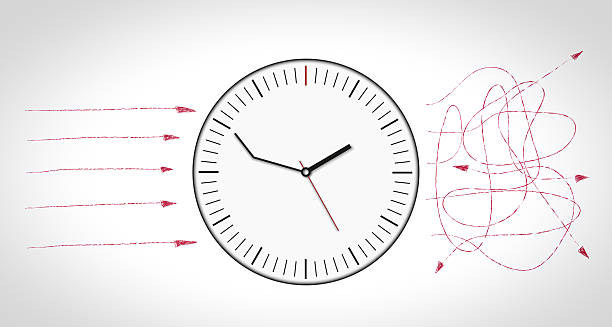

Jet lag is primarily caused by a disruption in the body’s natural circadian rhythm, which regulates the sleep–wake cycle and other biological processes over a 24-hour period.
When people travel quickly across several time zones, their internal clock no longer matches the local time. This mismatch causes jet lag and brings symptoms like tiredness, sleep trouble, mood swings, stomach problems, and slower thinking.
While the root of jet lag lies in a disturbed body clock, other factors also play a big role. These include how far you travel, which direction, your flight times, and how you prepare before flying. Knowing these causes of jet lag can help you expect symptoms and take steps to feel better faster.
Disruption of the Circadian Rhythm
The circadian rhythm works like a body timer. A part of the brain called the SCN, found in the hypothalamus, controls it. This clock gets help from outside signals, like sunlight, to stay on track.
When you fly across time zones—especially more than three—the SCN still follows your home time. Your body needs time to match the new light and dark cycle. Until then, you may feel wide awake at night and sleepy during the day. This is how jet lag starts.
For example, if you fly from New York to Rome, your body still thinks it’s afternoon when it’s already bedtime in Italy. This makes it hard to fall asleep or stay awake without making changes to help your body adjust.
How Many Time Zones You Cross
The more time zones you cross, the more your inner clock gets confused. One or two zones might not affect you much. But long-haul flights—those crossing six or more zones—can cause strong jet lag symptoms.
Here’s what that looks like:
- 3 to 4 time zones: mild or moderate jet lag
- 6 to 9 time zones: moderate to strong symptoms
- More than 10 time zones: likely to cause very intense jet lag unless managed
People who travel often, like pilots or business travellers, may face ongoing trouble with their sleep and energy if they don’t get enough rest between trips.
Direction of Travel Affects Jet Lag
The way you fly—east or west—makes a big difference. It’s usually harder to travel east. That’s because your natural rhythm is a bit longer than 24 hours. So, it’s easier to stretch your day than to shorten it.
Flying east, like from London to Dubai, means you need to fall asleep earlier and wake up earlier. That’s tough for most people. Flying west, like from London to New York, means staying up later and waking later, which is usually easier.
Flights that go north or south—such as from London to Cape Town—don’t cross time zones. So, they rarely cause jet lag unless you also miss a lot of sleep.
Causes of Jet Lag: Flight Timing and Sleep Disruption
The time you fly matters too. Red-eye flights, early departures, and late-night landings can all mess with your sleep.
If you can’t sleep on an overnight flight, you may land already tired. That tiredness makes jet lag worse. On top of that, things like odd meal times, little movement, or dry cabin air can leave you feeling drained. These issues add to the feeling of jet lag even though they aren’t part of the body clock problem.
Also, sitting in a dark plane for hours limits your sunlight exposure. This delay in natural light makes it harder for your inner clock to catch up with the new time zone.
Sleep Deprivation Before Travel
If you don’t sleep enough before your trip, jet lag hits harder. A well-rested body can adjust more easily. But a tired body takes longer to adapt.
Packing late or worrying about the trip often cuts into your sleep the night before. That missed sleep builds up and adds stress to your system. Even losing just a couple of hours can make a big difference.
Some travellers try to shift their sleep before flying. But if they do it too quickly or the wrong way, it can backfire. Instead of helping, it may make them even more tired.
Your Own Body Plays a Role
Not everyone gets jet lag the same way. Your body type, habits, and health all play a part.
- Morning people may struggle more when flying west.
- Night owls may find eastward trips harder.
- Older people often take longer to bounce back.
- Health problems, like sleep issues or chronic illness, can also increase symptoms.
- Even your genes can change how fast your body adjusts.
These personal differences explain why some people feel fine while others really suffer from the same flight.
Light Exposure Matters
Sunlight helps reset your body clock. If you don’t get outside soon after landing, your body takes longer to adjust. Staying indoors, sleeping during the day, or looking at screens late at night all confuse your clock more.
Imagine flying from London to Tokyo. If you sleep all morning or stay inside, your body misses important light signals. Using your phone or laptop in bed at night tells your brain it’s still daytime. This keeps you out of sync even longer.
Poor In-Flight Habits Can Worsen Symptoms
Bad habits on the plane won’t directly cause jet lag, but they can make it worse. Drinking too much alcohol or caffeine, sitting still for hours, or not drinking water can make you feel worse when you land.
When you get dehydrated, your brain doesn’t work as well. Alcohol and coffee both mess with your sleep. Not getting up and moving around can cause body aches or swelling. These problems make it harder to rest after you arrive and slow down your recovery.
Conclusion: Causes of Jet Lag and How to Manage Them
The causes of jet lag mostly come from a body clock that no longer matches the local time. But things like travel direction, flight timing, your personal health, and how much light you get also matter.
When you understand the causes of jet lag, you can take smart steps to feel better. In the next part, we’ll look at how these changes show up in your body and mind.