
Causes of labial fusion are often multifactorial, arising from a combination of anatomical, hormonal, and environmental influences. Understanding the causes of labial fusion is crucial in distinguishing this benign condition from more serious genital abnormalities and in guiding appropriate treatment or reassurance. Most commonly seen in prepubertal girls, labial fusion results from the adherence of the labia minora due to inflammation or irritation in an environment with low oestrogen levels. These underlying causes often interact with one another, contributing to the gradual sealing of the labial folds.
Hormonal Changes and the Causes of Labial Fusion
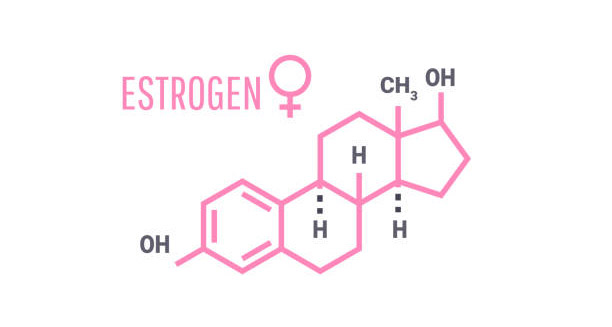
A major factor among the causes of labial fusion is the natural hormonal state of young children. After birth, newborns still have circulating maternal oestrogen. This hormone helps keep genital tissues plump and healthy. But after a few weeks, this oestrogen fades. The body’s oestrogen levels drop, leading to thinner and more fragile genital skin.
In this low-oestrogen state, the labia minora become more prone to damage. They lose flexibility and may stick together if inflamed and pressed together for long periods. This makes irritation more likely to lead to fusion.
Irritants, Hygiene, and Friction as Causes of Labial Fusion
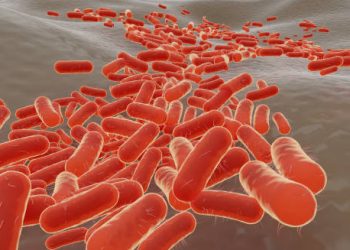
Poor hygiene or too much cleaning can also cause labial fusion. Soaps, bubble baths, and scented wipes often irritate the delicate vulval skin. Washing too much with harsh products strips away natural oils, causing dryness and damage. On the other hand, not cleaning enough allows urine and bacteria to build up, which can also irritate the skin. Both extremes make labial fusion more likely.
Mechanical friction plays a part as well. Tight clothing, prolonged nappy use, or rubbing from play activities can all cause irritation. Nappies trap moisture and heat, creating a setting where infections and inflammation thrive. If this inflammation goes unchecked, the labia may fuse. During toilet training, children may also struggle with hygiene, increasing the risk.
Infections and Trauma Among the Causes of Labial Fusion
Urinary tract infections (UTIs) and vulvovaginitis are also common causes of labial fusion. These conditions inflame the genital area. As the tissues heal, they can stick together if not gently separated. The discharge and swelling from infections act like glue between the labia. This is especially a concern if caregivers don’t know to clean and separate the labia during healing.
Trauma, even minor, can also lead to fusion. Scratching from eczema or irritation, or injury from accidents, can damage the skin. Inflammatory skin conditions like lichen sclerosus can cause scarring that leads to fusion if left untreated. Although rare, these conditions can look like labial fusion or make it worse, especially when oestrogen levels are low.
Additional Causes of Labial Fusion in Various Age Groups
Allergic reactions may also play a role. Laundry detergents, wipes, or even some sanitary products can trigger contact dermatitis. This condition inflames the skin and raises the risk of labial adhesion. Repeated exposure to such irritants without removal can create chronic inflammation.
Sometimes, anatomical or developmental differences may be mistaken for causes of labial fusion. For example, enlarged labia minora can increase skin contact and raise the chance of irritation. Structural problems that affect urination or vaginal drainage may also lead to repeated infections, setting the stage for labial fusion.
In postmenopausal women, a drop in oestrogen continues to be a key factor. Vulval tissue thins and dries out. During sex or physical activity, it may tear or become irritated. Frequent infections and dryness make fusion more likely. The underlying mechanism is the same—low oestrogen and chronic irritation.
Rare and Environmental Causes of Labial Fusion
Though uncommon, autoimmune diseases or chronic inflammatory disorders can also cause labial fusion. These cases are usually part of wider symptoms affecting skin and mucous membranes. Diagnosis and treatment here need a different approach. When labial fusion happens in an older child or adult without a clear cause, these systemic diseases should be considered.
In under-resourced areas, lack of hygiene products and education adds to the problem. Without guidance on proper cleaning or access to gentle materials, girls may face chronic irritation. Cultural taboos may delay care, allowing the condition to progress.
In summary, causes of labial fusion include hormonal changes, poor hygiene, physical irritation, infections, and skin conditions. Understanding the causes of labial fusion allows doctors to guide families better, reduce fear, and treat this condition with confidence.