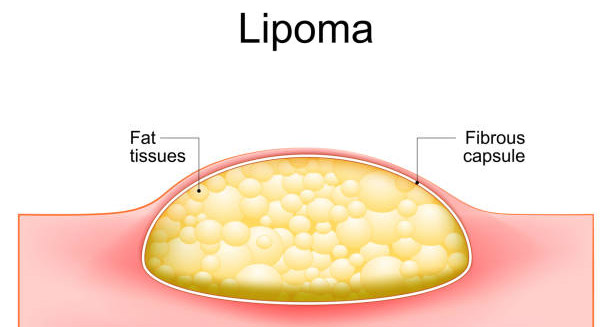

Causes of Lipoma are varied and not always fully understood, but this benign condition tends to arise due to a combination of genetic, environmental, and possibly lifestyle-related influences. Understanding the causes of lipoma is vital for those who develop these soft, fatty lumps under the skin, especially as they can sometimes cause cosmetic or physical discomfort. While lipomas are generally harmless, identifying what leads to their formation can offer peace of mind and guide management decisions.
Genetic Causes of Lipoma
One of the main causes of lipoma is heredity. People with a family history of lipomas are much more likely to get them. This pattern shows a strong genetic role. A condition called familial multiple lipomatosis makes many lipomas appear across the body, often starting in early adulthood. The exact genes are not always found, but family patterns point to inherited traits that trigger lipoma growth.
Injury and Trauma as Triggers
Another possible cause is injury to the soft tissue. Some people notice a lipoma forming after a bump, fall, or repeated friction. The process is not fully clear, but experts think an injury may make fat cells grow too much or change the tissue so fat collects abnormally.
Hormones and Causes of Lipoma
Hormonal changes may also play a role, though proof is limited. Some people get lipomas during puberty or menopause. This has led to the idea that hormones like estrogen or testosterone might affect fat tissue or work with genetic tendencies. More research is still needed to confirm this link.
Rare Disorders and Fat Metabolism
Certain rare metabolic disorders can also cause multiple lipomas. People with Dercum’s disease or Madelung’s disease often have painful fatty lumps. These disorders involve abnormal fat metabolism. While uncommon, they give clues about how fat behaves in the body. Still, they are not the usual reason most lipomas form.
Other Possible Influences
Some researchers have looked at autoimmune causes. In these cases, the body’s immune system may treat its own fat cells as foreign and isolate them. This idea is not proven but could explain some cases where no other cause is found.
Environmental factors may also matter. Exposure to certain chemicals or pollutants might change fat cell behavior. However, this is still being studied and has not been proven in large research studies.
Age and Causes of Lipoma
Lipomas are most often diagnosed in middle age, between 40 and 60 years old. They can appear at any age, but the higher rate in older adults may be linked to tissue changes over time. Still, age alone is not a direct cause.
Genetic Syndromes
In rare cases, lipomas are part of inherited syndromes like Gardner’s syndrome or Cowden syndrome. These involve mutations in tumor-suppressor genes and raise the risk of many benign and cancerous growths. While rare, they show how certain genes can directly cause multiple lipomas.
Unknown Causes and Lifestyle Factors
Even with testing, many lipomas have no clear cause. Doctors call these idiopathic. They appear in healthy people with no injury or family history. This can be frustrating, but it also shows that lipomas are usually harmless.
Lifestyle does not seem to play a major role. Diet, weight, and exercise levels do not directly affect whether someone gets a lipoma. Even very lean people can get them. This supports the idea that most cases are linked to genetics or cell changes, not lifestyle.
Summary of the Causes of Lipoma
The causes of lipoma include genetic traits, injury, possible hormone effects, rare disorders, and—in some cases—environmental factors. Most are harmless and appear without warning. Knowing the possible reasons can help guide diagnosis and give reassurance.