
Complications of Dwarfism
The complications of dwarfism vary depending on the underlying cause, but many individuals face health, physical, and social challenges throughout their lives. Early diagnosis and ongoing care can help manage these complications and reduce their long-term impact.
One of the most common physical complications in disproportionate dwarfism, such as achondroplasia, is spinal stenosis. This narrowing of the spinal canal can compress the spinal cord, leading to pain, weakness, or difficulty walking. In severe cases, surgery may be needed to relieve pressure and restore mobility. Kyphosis (curved upper back) and lordosis (swayback) are also common and may require physical therapy or bracing.
Joint pain and arthritis often appear earlier in life for people with dwarfism. The uneven stress on joints can lead to discomfort, reduced mobility, and the need for orthopaedic interventions. Bowed legs and hip abnormalities may require corrective surgery, particularly in growing children.
Ear infections are another frequent issue. The structure of the Eustachian tubes in people with achondroplasia often leads to fluid build-up and recurrent infections. If untreated, this can result in hearing loss, which in turn can delay speech and language development. Regular hearing tests and ENT assessments are essential.
Breathing issues
Breathing issues, particularly sleep apnoea, can also occur due to a smaller airway and facial structure. Sleep studies may be recommended to diagnose and manage this condition, especially if snoring, fatigue, or interrupted breathing are present.
In proportionate dwarfism, such as growth hormone deficiency, complications may include delayed puberty, fatigue, and reduced bone density. Without proper hormone management, long-term growth and development can be significantly affected.
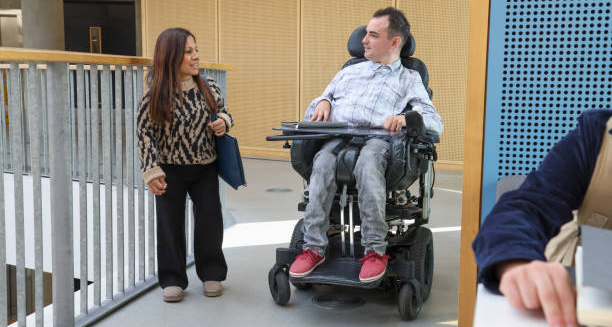
Beyond physical concerns, people with dwarfism may face social and psychological complications. These include bullying, discrimination, and barriers to employment or education. Lack of accessibility in buildings, transportation, or public spaces can further isolate individuals and reduce their independence. Emotional challenges like anxiety, depression, or low self-esteem may arise if support systems are lacking.
Complications of Dwarfism
In South Africa, navigating public spaces can be especially difficult for individuals with dwarfism, as many facilities are not adapted for short stature. This includes counters, toilets, transport systems, and classrooms. While disability rights are enshrined in the Constitution, practical implementation still falls short in many regions.
Financial limitations and healthcare inequalities can also delay treatment and increase the risk of complications. Without access to physiotherapists, audiologists, and orthopaedic surgeons, many issues go unaddressed until they become severe.
Understanding the complications of dwarfism helps families, caregivers, and health professionals take proactive steps. Early intervention, inclusive planning, and community education are key to reducing barriers and promoting health and well-being for people with dwarfism across all stages of life.