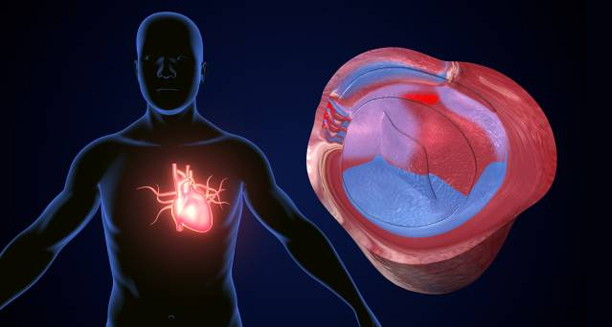

Complications of Endocarditis
The complications of endocarditis can be severe and life-threatening. If endocarditis is not diagnosed and treated early, it can cause widespread damage to the heart and other organs. Even with treatment, some patients develop long-term problems.
Cardiac Complications
Heart valve damage – Infection can destroy valves, leading to severe leakage (regurgitation) and heart failure.
Heart failure – Damaged valves reduce the heart’s ability to pump blood, causing fluid build-up in the lungs and body.
Abscess formation – Infection may spread into the heart muscle or surrounding tissues.
Conduction abnormalities – If the infection affects the electrical system of the heart, it may cause arrhythmias or heart block.
Embolic Complications
Vegetations on heart valves can break off and travel through the bloodstream, causing:
Stroke
Kidney infarction
Pulmonary embolism
Limb ischaemia
Spleen or liver damage
These events can occur suddenly and may be the first sign of undiagnosed endocarditis.
Infection Spread
Untreated or resistant infection may spread to:
Bones (causing osteomyelitis)
Joints (septic arthritis)
Lungs (infected emboli or abscesses)
Brain (meningitis or abscesses)
This systemic spread is especially dangerous and harder to treat.
Immune System Complications
Chronic endocarditis can trigger immune responses leading to:
Glomerulonephritis, a kidney condition causing blood or protein in the urine
Vasculitis, inflammation of blood vessels causing skin rashes or joint pain
In South Africa
In South Africa, late diagnosis, untreated rheumatic fever, and limited access to advanced care contribute to more frequent and severe complications. Patients with HIV, TB, or those living in rural areas are particularly at risk.
Mortality Risk | Complications of Endocarditis
Despite treatment, endocarditis has a significant risk of death—especially in cases involving prosthetic valves, fungal infection, or complications such as stroke or heart failure. Early recognition and complete treatment are essential to reduce mortality.
Understanding the complications of endocarditis reinforces the importance of early care, prevention through dental hygiene, and careful monitoring in high-risk patients. With proper treatment, many patients recover fully, but some may require lifelong heart care and follow-up.