
Complications of Granulomatosis with Polyangiitis
Granulomatosis with polyangiitis (GPA) can lead to many serious complications. These problems come from both the disease itself and the side effects of long-term treatment with immune-suppressing medicine. As a result, the illness can affect almost every organ system. The most severe complications include kidney failure, lung bleeding, long-term infections, and a lower quality of life due to organ damage or the effects of treatment.
GPA is a disease that causes inflammation of blood vessels throughout the body. Without proper treatment, the condition can worsen quickly. Even when patients receive treatment, doctors still need to check them often. This helps catch problems early and avoid lasting damage.
1. Kidney Failure
One of the most dangerous complications of GPA involves the kidneys. The disease often leads to glomerulonephritis, a type of kidney inflammation. This condition causes:
- Ongoing blood and protein in the urine
- Slowly worsening kidney function
- Long-term kidney disease
- Complete kidney failure, which requires dialysis or a kidney transplant
Even when the disease seems under control, kidney problems can still appear if inflammation continues.
2. Lung Damage
GPA can also harm the lungs in many ways. Some common lung-related problems include:
- Bleeding in the lungs, which can be life-threatening
- Constant coughing or trouble breathing due to scarring
- Lung lumps or cavities, which might burst or get infected
- Repeated infections caused by weak immune defenses
In the long run, this damage can cause breathing problems and the need for oxygen support.
3. Hearing and Sinus Problems
The disease often affects the nose and ears. Over time, this may lead to:
- Frequent sinus infections
- Loss of smell
- A “saddle-nose” shape due to damaged nose cartilage
- Hearing loss caused by infections or nerve injury
These problems often need help from an ENT doctor and may affect a person’s daily life and confidence.
4. Vision Problems
When GPA reaches the eyes, it can cause:
- Damage to the optic nerve
- Painful eye inflammation (scleritis or uveitis)
- Permanent vision loss without quick treatment
Eye problems from GPA are emergencies. Eye specialists must treat them right away to protect vision.
5. Nerve Damage (Peripheral Neuropathy)
Inflammation of the blood vessels that feed the nerves can cause:
- Tingling, numbness, or burning in hands and feet
- Muscle weakness or trouble lifting the foot
- Difficulty doing tasks that need fine finger movements
Even after treatment, nerve healing can take a long time and may not be complete.
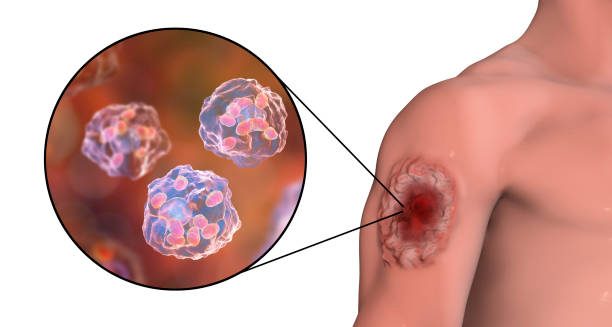
6. Skin Ulcers and Tissue Death
GPA can also affect the skin. When this happens, people may get:
- Painful sores or patches of dead skin
- Slow-healing wounds due to poor blood flow or steroid use
- Skin infections
These skin issues can reduce movement and often lead to hospital visits.
7. Disease Relapse and Long-Term Illness
Many people with GPA experience relapses. In fact:
- Around 50% of patients have a flare-up after they get better
- New or returning symptoms can appear in any part of the body
- Doctors may need to adjust treatment or restart stronger medication
Over time, these repeated flare-ups can lead to more organ damage and stronger medication side effects.
8. Higher Risk of Infections
Since treatment weakens the immune system, people with GPA are more likely to get infections, such as:
- Lung infections (pneumonia)
- Bladder infections
- Serious infections like tuberculosis or fungal diseases
- Reactivated viruses like herpes
To help prevent this, patients should follow infection prevention plans and stay up to date with vaccines.
9. Increased Risk of Cancer
Some medications, especially cyclophosphamide, can raise the risk of certain cancers. These include:
- Bladder cancer
- Blood cancers like leukemia
- Skin cancer
Doctors recommend regular cancer screenings for people who take these drugs long-term.
10. Mental and Emotional Effects
Living with GPA can take a toll on mental health. Many people experience:
- Depression
- Anxiety
- Tiredness not linked to active disease
- A drop in overall well-being
Talking to mental health professionals or joining support groups can help patients cope better and stay positive.
11. Fertility and Pregnancy Concerns
Cyclophosphamide may affect the ability to have children, especially in younger patients. Also:
- Treatment plans may need changes during pregnancy
- Although rare, disease flare-ups can happen while pregnant
- Coordination with specialists is important
Planning ahead and getting the right advice helps patients make informed choices.
Summary of Key Complications
| System Affected | Possible Problems |
|---|---|
| Kidneys | Kidney inflammation, long-term damage, kidney failure |
| Lungs | Bleeding, lung lumps, coughing, infections |
| ENT | Hearing loss, nasal shape changes, smell loss |
| Eyes | Vision loss, nerve damage |
| Nerves | Numbness, weakness, movement issues |
| Skin | Ulcers, dead tissue, slow healing |
| General | Relapse, infections, cancer risk, emotional stress |
Conclusion
The complications of granulomatosis with polyangiitis can be very serious, especially if doctors don’t catch the disease early or if patients don’t receive ongoing care. However, with early treatment and a complete care plan, many of these problems can be avoided or managed well. Teaching patients about the disease, checking on them regularly, and involving a team of health professionals are the best ways to reduce long-term harm and improve quality of life.