
Many jellyfish stings are mild and heal quickly with little treatment. However, some stings can cause serious, even life-threatening complications. The risk depends on the jellyfish species, the amount of venom injected, the victim’s health, and how quickly and properly first aid and medical care are given. Sometimes, stings that seem minor at first can lead to long-term problems if not managed well.
Understanding these complications is important for quick recognition, effective treatment, patient education, and ongoing care. Below is an overview of common and rare issues that may arise from jellyfish envenomation.
1. Allergic Reactions and Anaphylaxis
Allergic responses range from mild to severe:
- Mild Allergic Reactions: Itching, hives, and localized swelling often occur, especially in people who have been stung before. These usually resolve on their own but may recur with new stings.
- Anaphylaxis: A sudden, severe allergic reaction that can be fatal without immediate treatment. Signs include throat or tongue swelling, difficulty breathing, rapid heartbeat, low blood pressure, confusion, or unconsciousness. Emergency injection of adrenaline (epinephrine) is crucial. People with known allergies should carry an auto-injector and seek urgent help if stung.
2. Skin Complications
Skin issues are common after stings:
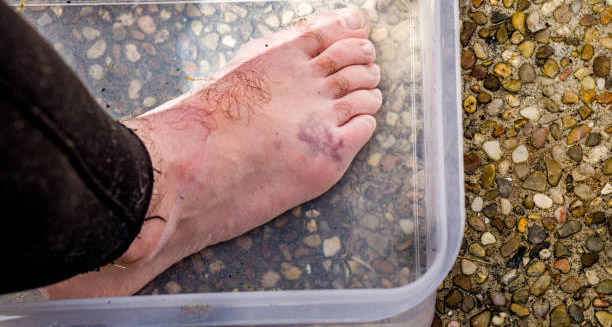
- Scarring: Deep or poorly treated stings may cause permanent scars. People with darker skin or genetic tendencies may develop keloids or thickened scars.
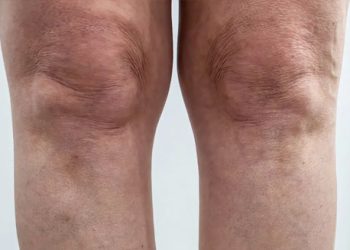
- Pigmentation Changes: The skin may become darker or lighter permanently, especially after stings from tropical species like the Portuguese man o’ war.
- Chronic Dermatitis: Rarely, long-lasting eczema-like inflammation can appear weeks or months later.
- Secondary Infection: Scratching or poor wound care can introduce bacteria, leading to cellulitis or abscesses that require antibiotics.
3. Cardiovascular Complications
Certain jellyfish venoms affect the heart and circulation:
- Cardiac Arrest: Box jellyfish venom (e.g., Chironex fleckeri) can cause sudden heart failure. Survivors often need intensive care and long-term heart monitoring.
- Irukandji Syndrome Hypertension: Some victims develop dangerously high blood pressure causing headaches, vision changes, or stroke risk.
- Arrhythmias: Irregular heartbeats may occur and require ECG monitoring in severe cases.
4. Neurological Complications
Neurological symptoms are less common but serious:
- Paraesthesia: Tingling, burning, or numbness in limbs can last days or weeks due to nerve irritation.
- Headaches and Migraines: Linked to Irukandji syndrome or inflammation, these may be intense and long-lasting.
- Seizures: Rare but possible, especially in children or those with existing brain conditions.
- Post-Traumatic Stress: Anxiety, phobias of water, nightmares, or behavioral changes can follow severe stings.
5. Muscular and Renal Complications
Venom can damage muscles and kidneys:
- Rhabdomyolysis: Muscle breakdown releases toxins that can cause acute kidney failure if untreated.
- Myalgia: Persistent muscle pain, often in limbs or chest, can last after severe stings.
6. Respiratory Complications
Breathing issues may develop from allergic reactions or systemic venom effects:
- Bronchospasm: Wheezing, coughing, or shortness of breath caused by allergic airway narrowing.
- Pulmonary Oedema: Fluid buildup in the lungs, rare but potentially deadly, especially with Irukandji syndrome.
7. Delayed and Long-Term Complications
Problems may persist or appear after the sting heals:
- Chronic Pain Syndromes: Some patients develop complex regional pain syndrome (CRPS), causing ongoing, difficult-to-treat pain.
- Autoimmune Reactions: Rare inflammation of blood vessels or systemic immune responses are under research.
- Psychological Effects: Fear, anxiety, or depression after severe stings may require counseling.
8. Risks in Children and Older Adults
Young and elderly people face higher risks:
- Rapid Venom Spread: Smaller bodies allow faster toxin circulation, increasing severity and risk of collapse or seizures.
- Delayed Healing: Older adults may heal slowly and get infections or scars more easily.
- Communication Barriers: Young children may struggle to describe symptoms, delaying treatment.
Conclusion
While most jellyfish stings heal without serious effects, complications can range from mild skin problems to deadly cardiovascular events. The risk depends on many factors, including the jellyfish species, venom amount, speed of first aid, and patient health.
Careful monitoring in both early and late phases after a sting is essential. Quick treatment, follow-up, and public education reduce the risk of long-term harm. Prevention, correct first aid, and easy access to emergency care are key to safety in jellyfish habitats.