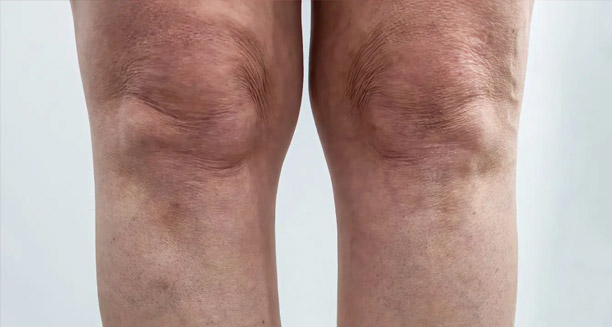

Complications of knock knees can vary significantly depending on the age at onset, severity of the deformity, and whether the condition is properly diagnosed and treated.
Some people have no problems and live without pain. However, others may face issues with their muscles, joints, or movement. These problems can affect daily life and long-term health. It’s important to understand the complications of knock knees to act early and manage the condition well.
One common problem is long-lasting knee pain. The knees don’t line up properly, so pressure spreads unevenly. In knock knees, either the inner or outer part of the knee carries too much weight. This extra strain wears down the cartilage. Over time, this leads to swelling, pain, and stiffness, especially during walking, using stairs, or standing for long periods.
Early Arthritis and Joint Problems
Another major complication of knock knees is early arthritis. This joint disease gets worse faster in people with misaligned legs. That’s because certain parts of the joint take more stress. As the cartilage breaks down, the bones start rubbing together. This causes pain, less movement, and swelling. For young adults, this may lead to less physical activity or even early joint surgery if not treated soon.
Knock knees also change the way a person walks. The legs move in a strange way, which causes the body to shift. Over time, this leads to poor posture. People may tilt their pelvis or turn their hips inward to adjust. But these changes put extra stress on the hips, lower back, and pelvis, causing more pain.
Foot and Muscle Imbalance
Foot and ankle problems are also common in people with knock knees. To stay balanced, their feet may turn outward or inward. This can cause flat feet, ankle weakness, or extra strain during exercise or walking. These changes may lead to tiredness, pain, or a higher chance of injury.
A less obvious problem is muscle imbalance. Since the knees are out of line, some muscles work too hard while others weaken. This makes movement harder and tires the body faster. Kids may avoid running or playing, while adults may feel worn out from basic daily tasks.
Complications of Knock Knees in the Back and Spine
In more serious or untreated cases, knock knees can harm the spine. As the knees angle inward, the body’s center shifts. To cope, the spine may bend more than it should. This can put pressure on the spinal discs, nerves, and muscles, leading to back pain or nerve issues like sciatica.
The complications of knock knees are not only physical. Emotional and social effects matter too. Teenagers and young adults may feel embarrassed or insecure about how their legs look. If others tease them, this can lower their confidence. Over time, they may feel lonely, sad, or even depressed.
Impact on Work, Sports, and Daily Life
Knock knees can also affect work and sports. Jobs that require physical effort—like nursing, construction, or manual labor—may become difficult. In athletes, leg misalignment affects speed, balance, and strength. This increases the risk of injuries like ligament tears or meniscus damage.
In the worst cases, knock knees can cause serious disability. If the condition gets worse and remains untreated, the joints may suffer permanent harm. Some people may need crutches or walking aids. This limits their movement and lowers their ability to live on their own.
In children, knock knees may lead to uneven growth. Conditions like rickets or Blount’s disease can slow growth or make one leg grow faster than the other. Surgery may be needed to fix these problems, along with the leg deformity.
Surgery Risks and the Need for Ongoing Care
Even after surgery, complications of knock knees can appear if healing does not go well. While treatments like bone cutting or growth-guiding surgery often help, risks include infection, poor healing, or device failure. Careful rehab and regular check-ups are key to avoid these problems.
In summary, complications of knock knees range from joint and muscle pain to serious conditions like arthritis, walking problems, and emotional stress. The effects depend on how bad the deformity is and how early it gets treated. With the right care, people can manage their symptoms and enjoy a healthy, active life.