
Diagnosis of Bronchiolitis
Diagnosis of bronchiolitis is typically made through clinical evaluation, based on the child’s age, symptoms, and a physical examination. A formal diagnosis of bronchiolitis does not usually require lab tests or imaging unless complications or severe illness are suspected.
During the consultation, the doctor will ask about the onset and pattern of symptoms — including cough, wheezing, feeding behaviour, and breathing difficulty. The child’s age is also an important factor, as bronchiolitis most often affects those under two years old.
The doctor will listen to the lungs with a stethoscope to check for wheezing, crackling sounds, or reduced breath sounds. They will also observe the child’s breathing rate, chest movements, oxygen levels, and signs of dehydration.
In most uncomplicated cases, no additional tests are needed. However, in hospitals or during outbreaks, a nasal swab may be taken to identify the virus (especially RSV). This helps in managing the spread of infection, particularly in neonatal or paediatric wards.
Pulse oximetry is often used to measure oxygen saturation levels in the blood. Low readings may indicate the need for oxygen support or hospital admission.
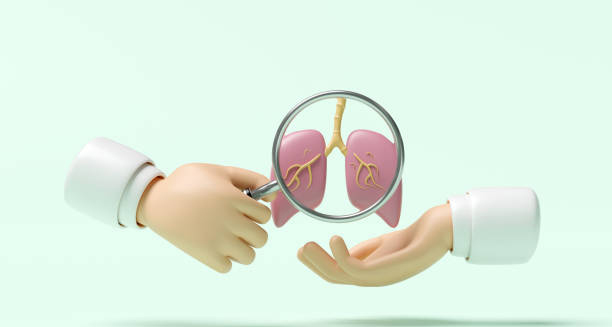
Diagnosis of bronchiolitis
Chest X-rays are not routinely done but may be ordered if the child is not improving, has underlying conditions, or the doctor suspects pneumonia or another complication.
Blood tests are rarely necessary unless the child appears very unwell or there’s concern about secondary bacterial infection.
An accurate diagnosis of bronchiolitis allows caregivers and healthcare professionals to focus on supportive care. Most importantly, it helps avoid the unnecessary use of antibiotics, which are ineffective against viruses.
[Next: Treatment of Bronchiolitis →]