Mental Matters

Mental Matters

  • Health & Wellness
  • Mental Health
  • Live Better
  • Directory
  • Articles & Guides
  • Advertise
  • Blog
  • Fields
  • Health & Wellness
  • Mental Health
  • Live Better
  • Directory
  • Articles & Guides
  • Advertise
  • Blog
  • Fields
  • Health & Wellness
  • Mental Health
  • Live Better
  • Directory
  • Articles & Guides
  • Advertise
  • Blog
  • Fields
  • Health & Wellness
  • Mental Health
  • Live Better
  • Directory
  • Articles & Guides
  • Advertise
  • Blog
  • Fields

Diagnosis of Cardiovascular Disease

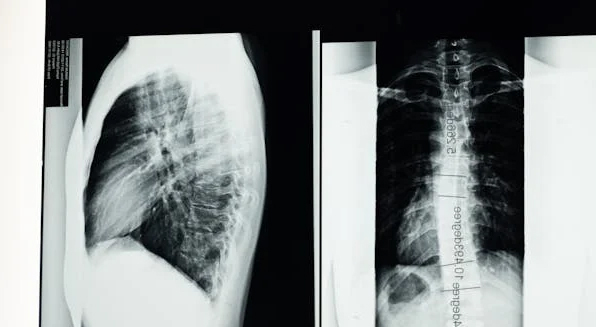
X-ray images of a human chest and spine used for cardiovascular diagnosis

Medical X-ray scans showing chest and thoracic views, commonly used in diagnosing cardiovascular conditions

Diagnosis of Cardiovascular Disease

Diagnosis of cardiovascular disease involves a combination of physical examination, risk assessment, and diagnostic testing. A correct diagnosis allows for timely treatment and helps prevent life-threatening complications.

Doctors start by evaluating medical and family history, lifestyle habits, and symptoms. They measure blood pressure, listen to the heart, and check for signs of poor circulation or fluid retention.

Common tests include:

1. Blood Tests

  • Cholesterol levels (LDL, HDL, triglycerides)
  • Blood sugar and HbA1c for diabetes
  • Cardiac enzymes like troponin (especially during suspected heart attack)
  • BNP levels for heart failure

2. Electrocardiogram (ECG)

Measures the heart’s electrical activity and helps detect arrhythmias, previous heart attacks, or abnormal rhythms.

3. Echocardiogram

An ultrasound of the heart that shows structure, pumping function, and valve function. It is key for diagnosing heart failure and valve disease.

4. Stress Tests

Evaluate heart performance under exertion. These may involve walking on a treadmill or taking a medication that stresses the heart while monitoring ECG and imaging.

5. Coronary Angiography

A dye is injected into the coronary arteries and visualised with X-rays to detect blockages. It is used for assessing coronary artery disease.

6. CT or MRI Scans

Advanced imaging tools used to assess plaque build-up, congenital defects, or damage after a heart event.

7. Holter Monitor or Event Recorder

Diagnosis of Cardiovascular Disease

Worn for 24–72 hours or longer to detect intermittent heart rhythm problems.

A full diagnosis of cardiovascular disease provides a foundation for personalising treatment, determining risk, and establishing long-term management goals.

[Next: Treatment of Cardiovascular Disease →]

Complications and Recovery from Cardiovascular Disease
Diagnosis of Atrial Fibrillation
Diagnosis of Cardiomyopathy
Causes of Cardiovascular Disease

Related Posts

Illustration of a man coughing with hand on chest
Chest Infection

Symptoms of Chest Infection

June 13, 2025

Symptoms of Chest Infection Symptoms of chest infection can range from mild...

Overview of Male Menopause
Health Conditions

Male Menopause

August 14, 2025

Overview of Male Menopause Male menopause refers to the age-related hormonal changes...

Mental Matters

Facebook Instagram

Your Weekly Dose of Mental Health Support
– Straight to Your Inbox

  • Your journey to better mental health starts here—with expert insights and helpful resources delivered weekly.


© 2025 Mental Matters. All rights reserved. The content on this website is intended for informational purposes only and does not constitute medical advice, diagnosis, or treatment. Please consult a qualified health professional for any medical concerns.

Quick Links

  • Directory

  • Advertise

  • Conditions

  • Real Talk

  • Eating Disorders

  • Depressed

  • Autism

  • Community

  • Resources

About

  • Get In Touch

  • Home

  • Privacy Policy

  • Suicide Prevention Support

  • Terms & Conditions

© 2025 Mental Matters. All rights reserved.

No Result
View All Result
  • Health & Wellness
  • Mental Health
  • Live Better
  • Directory
  • Articles & Guides
  • Advertise
  • Blog
  • Fields

© MENTAL MATTERS 2024