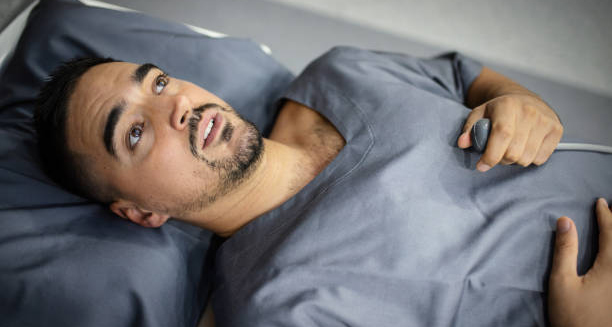

Diagnosis of Claustrophobia
Diagnosis of claustrophobia typically involves a thorough psychological evaluation by a mental health professional. Since claustrophobia is a specific phobia, diagnosis is based on criteria outlined in the Diagnostic and Statistical Manual of Mental Disorders (DSM-5), which helps distinguish it from general anxiety or panic disorders.
1. Initial Assessment
The diagnostic process usually starts with a comprehensive interview covering:
- The onset and history of symptoms
- Situations that trigger anxiety
- The severity and duration of symptoms
- Coping strategies and avoidance behaviours
- Any past trauma or relevant family history
Patients may be asked to describe their experiences in confined spaces and how the fear impacts daily functioning.
2. Diagnostic Criteria | Diagnosis of Claustrophobia
To be diagnosed with claustrophobia, the following criteria must generally be met:
- Marked and persistent fear that is excessive or unreasonable
- Immediate anxiety response upon exposure to the feared situation
- Recognition that the fear is disproportionate (in adults)
- Avoidance or extreme distress in triggering situations
- Significant interference with social, occupational, or daily life
- Duration of at least six months
These criteria ensure that the diagnosis reflects a long-standing condition rather than a short-term reaction.
3. Differential Diagnosis
It is important to rule out other conditions that may cause similar symptoms:
- Panic disorder: Claustrophobia may trigger panic attacks, but panic disorder involves unexpected attacks without a specific trigger.
- Social anxiety disorder: Involves fear of judgement rather than confined spaces.
- Post-traumatic stress disorder (PTSD): May include fear of enclosed spaces if related to trauma.
- Agoraphobia: Often overlaps but includes broader avoidance of open or crowded spaces.
A detailed evaluation helps clarify the diagnosis and inform treatment planning.
4. Questionnaires and Tools | Diagnosis of Claustrophobia
Some professionals use structured questionnaires, such as the Claustrophobia Questionnaire (CLQ), to assess symptom severity and track progress during therapy.
A correct diagnosis of claustrophobia is essential for tailoring effective treatment. It allows healthcare providers to choose appropriate therapies, provide reassurance, and help patients understand their condition.
[Next: Treatment of Claustrophobia →]