
Diagnosis of Cyclothymia
Diagnosis of cyclothymia is a nuanced process that relies on recognising persistent patterns of mood instability that fall short of full-blown bipolar disorder. Because cyclothymia involves subclinical symptoms of hypomania and depression, it is frequently underdiagnosed or misattributed to other mental health issues such as anxiety, borderline personality disorder, or attention-deficit disorders.
Clinical Diagnostic Criteria
According to the DSM-5 (Diagnostic and Statistical Manual of Mental Disorders), cyclothymia is diagnosed when:
The person has experienced multiple periods of hypomanic symptoms and depressive symptoms over a minimum of two years (or one year in children/adolescents)
These symptoms are present for at least half the time during that period
No symptom-free interval has lasted longer than two consecutive months
The mood episodes do not meet full criteria for a hypomanic or major depressive episode
The symptoms cause clinically significant distress or impairment in social, occupational, or other important areas of functioning
Initial Assessment | Diagnosis of Cyclothymia
The diagnostic process typically includes:
A comprehensive psychiatric interview covering current symptoms, emotional patterns, medical history, family history, and personal functioning
Use of mood diaries or tracking apps to chart daily emotional fluctuations over several weeks
Standardised questionnaires or rating scales to assess symptom severity and consistency
Ruling Out Other Conditions
Because cyclothymia shares features with several other disorders, clinicians must rule out:
Bipolar I or II disorder (distinguished by full manic or major depressive episodes)
Borderline personality disorder, especially when mood shifts are rapid and reactive
Generalised anxiety disorder or ADHD, which may present with restlessness or emotional dysregulation
A full medical work-up may also be conducted to exclude:
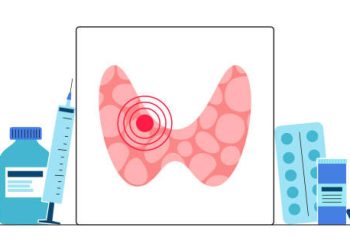
Thyroid disorders
Neurological conditions
Substance-induced mood changes
Challenges in Diagnosis
Several factors can complicate accurate diagnosis:
Many individuals perceive their symptoms as personality traits, such as being “moody,” rather than indicators of a disorder
People may view the hypomanic phase positively, which leads them to seek help only during depressive episodes
People may dismiss moodiness and behavioural issues in adolescents as normal developmental changes.
Importance of Early Identification
Early diagnosis is vital to prevent the condition from worsening or evolving into bipolar I or II disorder. Individuals with cyclothymia often benefit greatly from understanding their condition and receiving targeted interventions.
In summary, diagnosis of cyclothymia is based on recognising long-term mood fluctuations that fall below the threshold of bipolar disorder. Proper evaluation, consistent symptom tracking, and ruling out other causes are key to making an accurate diagnosis and beginning effective treatment.
[Next: Treatment of Cyclothymia →]