
Diagnosis of Discoid Eczema
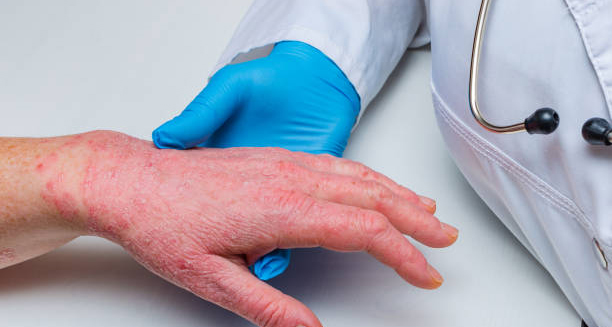
The diagnosis of discoid eczema is based largely on the appearance of the skin and a detailed medical history. Most healthcare providers can identify the condition by examining the coin-shaped patches, especially when they appear on the arms, legs, or trunk. However, because the lesions resemble other skin conditions, additional steps may be necessary to rule out similar diseases.
During the initial consultation, doctors usually ask about the duration of symptoms, any known triggers, past episodes of eczema or allergies, and use of skincare products or medications. The patient’s personal and family history of atopic conditions—such as asthma or hay fever—can provide important clues. In many cases, the diagnosis of discoid eczema is clinical, meaning it is made without laboratory tests.
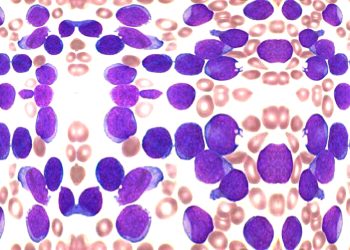
Nevertheless, in uncertain cases, a skin biopsy may be done. This involves removing a small piece of affected skin under local anaesthetic and examining it under a microscope. A biopsy helps distinguish discoid eczema from other conditions like fungal infections, psoriasis, or skin cancers, which may present similarly.
Doctors might also perform a swab test to check for bacterial infection, especially if the patches are weeping, crusted, or unusually painful. If infection is confirmed, antibiotics are often added to the treatment plan. In South Africa, limited access to dermatologists in public clinics may delay diagnosis, particularly in rural areas. As a result, general practitioners and nurses are trained to recognise common signs and begin early treatment.
Another useful tool in the diagnosis of discoid eczema is patch testing. This method checks for allergic reactions to various substances that may be causing or aggravating the condition. It’s especially useful if contact dermatitis is suspected, and the patient reports exposure to nickel, fragrances, or other common allergens.
Diagnosis of Discoid Eczema
Photographs may also be taken to monitor progress over time. This is particularly helpful in chronic cases where flare-ups come and go. Regular check-ins with a healthcare provider ensure that treatment remains appropriate and effective.
An accurate diagnosis of discoid eczema is essential to prevent unnecessary treatments, avoid worsening the condition, and offer proper guidance. Misdiagnosis can lead to delays in healing, especially if steroid creams are avoided or misused based on mistaken assumptions.
Once diagnosed, a comprehensive plan is developed to manage symptoms, reduce triggers, and prevent future outbreaks. Patients are encouraged to keep a symptom diary, maintain a regular skincare routine, and follow up if symptoms persist or worsen. Early and accurate diagnosis can make a significant difference in controlling discoid eczema and improving overall skin health.
[Next: Treatment of Discoid Eczema →]