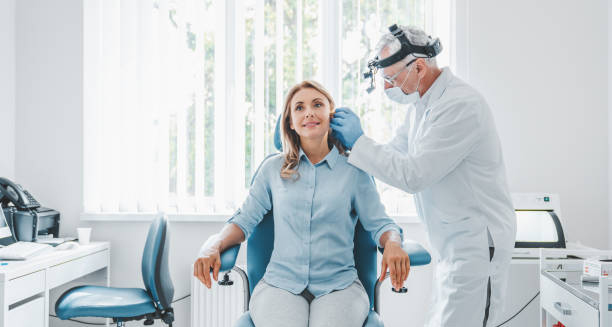

Diagnosis of Earwax Build-up
The diagnosis of earwax build-up is usually straightforward and painless. If you suspect your ears are blocked, a healthcare provider can confirm the cause quickly using a tool called an otoscope. This small, handheld device has a light and magnifier that allows the doctor to see inside the ear canal and check for earwax build-up or other issues.
During the examination, the doctor will look for signs of hardened wax, inflammation, infection, or damage to the eardrum. In some cases, impacted wax is immediately visible and clearly responsible for symptoms such as hearing loss or discomfort.
No blood tests or imaging are needed to diagnose earwax build-up. However, hearing tests may be performed if hearing loss is reported. These tests help determine whether the blockage is the only reason for reduced hearing or if another condition is involved. Once the wax is removed, hearing often returns to normal.
In children, diagnosis may be based on a combination of parent observations and visual examination. A child who is unresponsive to sound, constantly touches their ears, or has trouble focusing may be referred for ear inspection. Otoscopy is safe and non-invasive, even for young children.
In South African clinics, otoscopes are available in most urban facilities, but access may be limited in remote or rural areas. As a result, many people rely on traditional methods to guess whether wax is the issue—often leading to misdiagnosis or ineffective treatment.
It’s important to distinguish earwax build-up from other ear conditions, such as otitis externa (outer ear infection), middle ear infections, or fluid build-up behind the eardrum. Mistaking these conditions for wax impaction may delay proper care.
Diagnosis of Earwax Build-up
Doctors will also ask about your history of ear cleaning. If you use cotton buds or insert objects into your ears, this increases the likelihood of impacted wax. Understanding your cleaning habits helps guide advice on prevention and long-term care.
Once a proper diagnosis of earwax build-up is made, the doctor will recommend safe removal methods. This may involve softening drops, irrigation, or manual removal, depending on the severity and location of the blockage.
Early diagnosis not only provides fast relief from symptoms but also helps avoid complications like infection or eardrum damage. It also empowers patients with the knowledge to avoid repeating harmful ear-cleaning practices in the future.
[Next: Treatment of Earwax Build-up →]