
Diagnosis of Heat Rash
The diagnosis of heat rash is typically straightforward and primarily based on clinical examination and a review of recent heat exposure. In most cases. Especially during hot or humid weather. The appearance of small, red, itchy bumps on areas of the body prone to sweating leads to a confident diagnosis without the need for specialised tests. As the condition is benign and self-limiting. The key purpose of the diagnosis of heat rash is to differentiate it from other skin conditions that may require different treatment. Furthermore, to determine whether any complications, such as infection, have developed.
The diagnostic process begins with a detailed patient history. Healthcare providers usually ask about recent exposure to heat or humidity. Any strenuous activity, or if the individual has been wearing tight or non-breathable clothing. Information on personal hygiene habits. Use of skin care products, medications, or existing medical conditions such as hyperhidrosis (excessive sweating) may also provide useful clues. In the case of infants or non-verbal individuals. Observations by caregivers or parents. Such as increased fussiness, skin irritation, or visible rashes—are crucial.
Diagnosis of Heat Rash
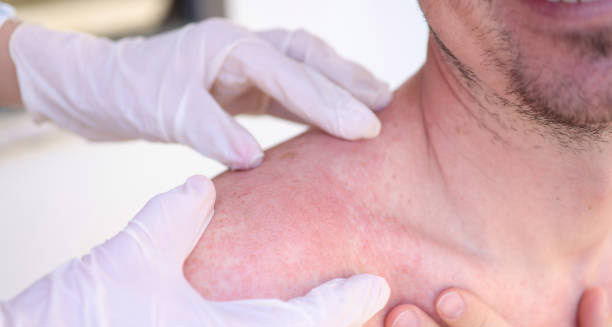
Next, a visual examination of the affected skin is performed. The location, distribution, and appearance of the rash often point clearly to heat rash. It typically presents in clusters of small, red or pink papules. Occasionally with clear fluid-filled vesicles (in the case of miliaria crystallina) or tiny pustules if a secondary infection has set in (miliaria pustulosa). Common sites include the neck, chest, back, groin, underarms, and areas under skin folds or clothing straps. In infants, heat rash is often seen on the face, scalp, and nappy area.
Clinicians also assess the depth and type of the rash. Which helps classify it into one of the recognised forms of miliaria:
- Miliaria crystallina appears as superficial, clear blisters without redness or inflammation.
- Miliaria rubra is more inflamed and presents as red, itchy, or prickly papules.
- Miliaria pustulosa shows small, pus-filled lesions, indicating a likely secondary bacterial infection.
- Miliaria profunda is less common and involves deeper, flesh-toned, non-itchy lesions, usually in individuals repeatedly exposed to hot environments.
These types help guide treatment decisions and determine whether additional care is required. For example, uncomplicated miliaria rubra may require only cooling and hygiene advice. While pustulosa may necessitate topical or even oral antibiotics.
Diagnosis of Heat Rash
Although no tests are usually required for the diagnosis of heat rash. In uncertain or atypical cases, a doctor might perform or recommend further investigations to rule out other dermatological conditions. These may include:
Skin swab or bacterial culture, especially if pustules are present, to identify secondary infection and guide antibiotic choice.
Skin scraping or biopsy (rare), to differentiate from other conditions such as folliculitis, eczema, contact dermatitis, or fungal infections.
Dermatoscopy, a non-invasive technique to examine skin structures more closely, may be used in complex or overlapping presentations.
For patients with recurrent heat rash or more widespread symptoms, an evaluation of underlying causes may be warranted. This could include assessing for hyperhidrosis, evaluating medication side effects, or considering workplace conditions that predispose them to heat illness.
It is also very important to tell heat rash apart from other skin problems that look similar, especially in young children and babies. For example, viral rashes, eczema, allergic reactions, and insect bites can look like heat rash. However, these conditions usually come with extra signs such as fever, skin that oozes, dry or flaky patches, or a history of being around something that caused an allergy. On the other hand, heat rash happens mostly because of heat, sweating, and rubbing. It usually goes away quickly once you remove these causes.
In older adults, pressure ulcers or intertrigo (inflammation between skin folds) may be mistaken for heat rash. A comprehensive clinical evaluation, including an understanding of the patient’s mobility, hygiene, and temperature exposure, helps ensure an accurate diagnosis.
Diagnosis of Heat Rash
In hospital settings or in the care of bedridden patients, clinicians must remain vigilant for signs that heat rash is developing or worsening. This includes monitoring skin integrity in areas of friction or pressure, particularly when patients are unable to communicate discomfort. Preventative measures, such as keeping the skin dry, repositioning the patient regularly, and ensuring loose, breathable clothing and bedding, are often implemented once a diagnosis is made.
The diagnosis of heat rash also involves assessing for signs of complications. Secondary bacterial infection is the most common concern and may be indicated by:
Increasing redness or swelling
Localised warmth or tenderness
Pus formation
Crusting or yellowing of lesions
Fever or general malaise
In such cases, appropriate antibiotic treatment and close follow-up are necessary to prevent progression to cellulitis or other deeper skin infections.
Diagnosis of Heat Rash
In conclusion, the diagnosis of heat rash is largely clinical and relies on a combination of history-taking, visual inspection, and awareness of contributing environmental or behavioural factors. It is typically easy to identify in the right context, especially in hot, humid conditions or following physical exertion. By distinguishing heat rash from more serious skin disorders and recognising signs of secondary infection, clinicians can ensure prompt, effective treatment and avoid unnecessary complications.