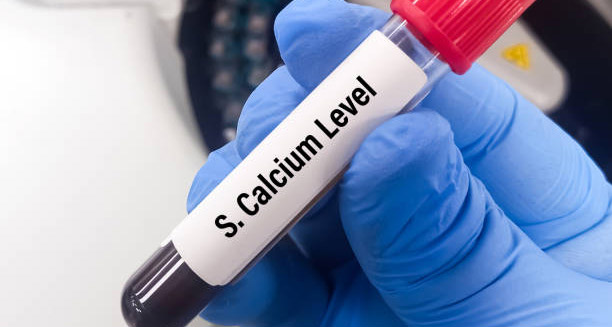
Hyperparathyroidism can be hard to diagnose early. Symptoms are often mild or absent. Many people learn they have the condition during routine blood tests that show high calcium. But confirming the diagnosis needs more steps. Doctors also need to find the cause. This is important because hyperparathyroidism affects calcium control in the whole body. Accurate diagnosis guides treatment and prevents problems later.
In this section, we explain the process for diagnosis. It includes blood tests, imaging, and checks for similar conditions. We also cover why doctors must tell the difference between primary, secondary, and tertiary types. With lab tests and scans, they can make a clear plan for care.
When to Suspect Hyperparathyroidism
Most cases start with high calcium found during a routine blood test. This often comes before symptoms appear. It may take years before problems like kidney stones or weak bones show up.
High calcium does not always mean hyperparathyroidism. Other issues, such as cancer or vitamin D problems, can cause the same result. So, doctors do more tests and review health history.
Warning signs include:
• Constant calcium above 2.6 mmol/L
• Tiredness, bone pain, or repeated kidney stones
• Risk factors like kidney disease or family history of endocrine issues
Key Blood Tests for Diagnosis of Hyperparathyroidism
Blood tests are the first big step.
1. Serum Calcium
A high corrected calcium level is the main clue. Sometimes doctors also check ionised calcium for more accuracy.
2. Parathyroid Hormone (PTH)
High PTH with high calcium suggests primary hyperparathyroidism. High PTH with normal or low calcium often means secondary hyperparathyroidism. Measuring intact PTH is key because it shows active hormone levels.
3. Serum Phosphate
Low phosphate often comes with primary hyperparathyroidism. In secondary types, phosphate may be normal or high, especially in kidney disease.
4. Vitamin D Levels
Low vitamin D can trigger secondary hyperparathyroidism. It can also make primary disease look worse. Doctors often fix vitamin D first before reading results.
5. Kidney Function Tests
Creatinine and eGFR help check kidney health. This matters when telling secondary hyperparathyroidism apart from primary.
Urine Tests for Better Diagnosis
24-Hour Urinary Calcium
This test helps tell the difference between primary hyperparathyroidism and familial hypocalciuric hypercalcaemia (FHH).
• High urine calcium points to primary hyperparathyroidism
• Low urine calcium suggests FHH, which usually needs no treatment
This is an important step because FHH does not need surgery.
Imaging Tests in Diagnosis of Hyperparathyroidism
Once blood tests confirm the problem, scans help find the gland that is overactive. This is key before surgery.
1. Neck Ultrasound
This safe scan checks for enlarged glands. It works well for big adenomas but may miss small or hidden ones.
2. Sestamibi Scan
This scan uses a tracer that collects in overactive tissue. It helps find a single adenoma before surgery. But it works less well if many glands are big.
3. 4D CT Scan
This advanced scan gives clear images of gland size and blood flow. It is useful when glands hide in unusual places.
4. MRI or PET Scans
Doctors use these in tough cases, such as after failed surgery or when cancer is possible.
Bone and Kidney Checks
Hyperparathyroidism weakens bones and harms kidneys. So, these checks matter:
1. Bone Density Scan (DEXA)
This test shows bone strength. It often finds bone loss in the spine, hip, and arm.
2. Kidney Imaging
Ultrasound or CT checks for stones or calcium build-up in the kidneys.
Other Conditions to Rule Out
Doctors also check for:
• High calcium from cancer
• Too much vitamin D
• Thyroid issues
• Diseases like sarcoidosis or TB
• Drugs like lithium or water pills
They also rule out FHH because it needs no treatment.
Genetic Testing
If the disease starts young or returns after surgery, genetic tests may help. These tests look for MEN1 and other gene changes. This helps doctors guide family members too.
Summary
Diagnosis of hyperparathyroidism needs many steps. High calcium and high PTH confirm the problem. But telling which type is key for treatment. Tests like urine calcium, bone scans, and neck imaging give more details. Careful testing helps doctors choose the right treatment and prevent serious problems.