Hypoparathyroidism is diagnosed based on a combination of clinical presentation and laboratory evidence, particularly low parathyroid hormone (PTH) levels alongside disturbances in calcium and phosphate balance.
Doctors suspect hypoparathyroidism when patients show signs of low calcium, like muscle spasms, tingling, or seizures. Since these symptoms can look like anxiety, epilepsy, or vitamin deficiencies, quick and correct diagnosis matters. Early diagnosis helps start treatment sooner and avoid serious problems later.
This section explains how doctors evaluate patients step-by-step, from the first visit to lab tests and ruling out other conditions.
Clinical Evaluation
Diagnosis starts with a detailed history and physical exam. Important clues include:
- Previous thyroid or neck surgery
- Autoimmune diseases such as Addison’s disease or candidiasis
- Family history of hormone disorders
- Childhood onset with developmental delay or dental problems
- Symptoms like muscle cramps, tingling, or seizures without a clear cause
Doctors may check for signs called Chvostek’s and Trousseau’s, which indicate low calcium. These signs are not only seen in hypoparathyroidism but suggest the need for blood tests.
Key Biochemical Tests
The main diagnosis comes from blood tests:
- Serum Calcium
Low total and active (ionised) calcium levels are typical. Ionised calcium is the most accurate marker, especially if blood proteins are abnormal. - Serum Phosphate
Phosphate is often high because low PTH reduces its kidney clearance. - Parathyroid Hormone (PTH)
This is the most important test. PTH levels are too low or missing despite low calcium. This helps tell true hypoparathyroidism apart from vitamin D deficiency, where PTH would be high. - Serum Magnesium
Magnesium helps release and act with PTH. Low magnesium can cause or worsen the problem, so it must be checked. - Kidney Function Tests
High phosphate and calcium problems can harm the kidneys. Creatinine and urea show how well the kidneys work.
Urine Testing
Measuring calcium in urine helps predict kidney risks and guide treatment. Tests may include:
- 24-hour urine calcium and phosphate
- Fractional calcium excretion
These tests help avoid too much calcium loss or buildup in the kidneys.
Imaging Tests
Imaging may support diagnosis or spot complications:
- Kidney Ultrasound
Detects stones or calcium deposits common in poorly controlled cases. - Brain Scan (CT or MRI)
Long untreated low calcium can cause calcium buildup in the brain’s basal ganglia, linked to movement problems or seizures. - Bone Density Scan (DEXA)
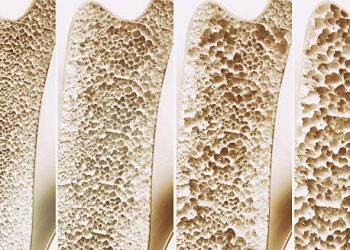
Hypoparathyroidism often increases bone density, but bones can still be weak. This scan sets a baseline for future monitoring.
Electrocardiogram (ECG)
Calcium affects the heart. An ECG can show:
- Prolonged QT interval, raising the risk of dangerous heart rhythms
- Other changes like slow heart rate or flat T-waves
Genetic Testing
Genetic tests may be done in infants, children, or patients with syndromes. Common causes include:
- DiGeorge syndrome (22q11.2 deletion)
- Calcium-sensing receptor gene mutations
- Other gene defects linked to hypoparathyroidism
Genetic results help with family advice, outlook, and long-term care.
Autoimmune Testing
If autoimmune hypoparathyroidism is suspected, doctors may order:
- Anti-interferon omega antibodies
- Adrenal antibodies
- Thyroid antibodies
These tests help diagnose Autoimmune Polyglandular Syndrome Type 1 (APS-1), a common cause in young adults.
Differentiating From Similar Conditions
Doctors rule out other disorders that look like hypoparathyroidism:
- Pseudohypoparathyroidism
PTH levels are high but the body does not respond. Genetic tests and bone abnormalities help distinguish it. - Vitamin D Deficiency
PTH rises in this case. It is often linked to low sunlight or diet. - Low Magnesium (Hypomagnesaemia)
Severe magnesium loss lowers PTH. Fixing magnesium usually fixes calcium levels.
By combining patient history, tests, and careful examination, doctors confirm or exclude hypoparathyroidism confidently.
Summary
Diagnosis of hypoparathyroidism needs careful clinical and lab evaluation. Key signs include low calcium, high phosphate, and low or missing PTH. Additional tests like ECGs, imaging, genetics, and autoimmune panels find causes and complications.
Because symptoms overlap with other conditions, a clear and structured approach ensures early and accurate diagnosis. This helps patients get the right treatment and avoid serious problems.