
Diagnosis of Krabbe disease is a complex and multi-step process that often begins with observing neurological symptoms in infants or children. Sometimes, diagnosis happens through genetic screening or family history. Because Krabbe disease is rare and its early symptoms can mimic other common disorders, doctors must keep a high level of suspicion. Timely evaluation and specialised laboratory tests are essential for an accurate diagnosis of Krabbe disease.
Early in the diagnostic process, clinicians observe clinical signs. Infants with Krabbe disease often show irritability, muscle stiffness, feeding difficulties, and loss of developmental skills. These signs suggest neurological problems but are not specific. They may appear in cerebral palsy or other leukodystrophies. Therefore, doctors take a full medical history and perform thorough physical and neurological exams. Often, parents report a steady decline that prompts further testing.
Enzyme Testing and Genetic Confirmation
A key part of the diagnosis of Krabbe disease is enzyme testing. Krabbe disease results from a lack of the enzyme galactocerebrosidase (GALC). This enzyme breaks down fats that build up in the brain and nervous system. Measuring GALC activity in blood, often using dried blood spots, serves as a reliable first test. Very low GALC activity strongly suggests Krabbe disease, especially when paired with symptoms.
However, enzyme tests alone do not confirm the diagnosis. Some people have low GALC levels without symptoms. Others with borderline results may still develop the disease. Therefore, genetic testing is needed for confirmation. DNA analysis, usually from blood, finds mutations in the GALC gene that cause Krabbe disease. Finding two disease-causing mutations confirms the diagnosis. Genetic tests also help differentiate infantile, juvenile, and adult forms.
Neuroimaging and Additional Tests
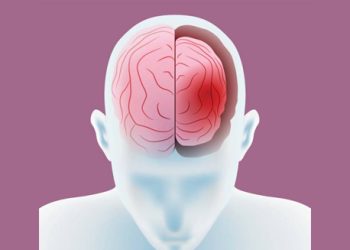
Neuroimaging supports the diagnosis of Krabbe disease. Brain MRI scans often show characteristic damage to the myelin sheath around nerves. In infantile cases, MRI reveals widespread white matter changes, especially in the parietal and occipital lobes. In late-onset cases, damage may be more limited. Advanced imaging like magnetic resonance spectroscopy (MRS) detects chemical changes in brain tissue, adding further evidence.
Doctors may also use nerve conduction studies or electromyography (EMG). These tests measure electrical signals in nerves and muscles. Slower signals and abnormal EMG results reflect nerve damage in Krabbe disease.
Newborn Screening and Challenges
An emerging tool in the diagnosis of Krabbe disease is newborn screening. Several countries include Krabbe disease in their mandatory newborn screening panels. These tests use dried blood spots taken shortly after birth to measure GALC enzyme levels. If results are low, follow-up testing begins quickly, often within days. The aim is to find affected infants before symptoms appear, since early stem cell transplantation can change the disease course.
Newborn screening has challenges. Some infants have genetic mutations that do not cause illness, a condition called “pseudodeficiency.” This makes confirmatory testing crucial. Doctors must carefully interpret results and counsel families about what the findings mean.
Additional Diagnostic Tools and Family Counseling
In some cases, doctors perform cerebrospinal fluid (CSF) analysis. A lumbar puncture checks protein levels, which often rise in Krabbe disease. However, this test is less common now due to better genetic and enzyme testing.
Once diagnosed, families benefit from genetic counseling. Krabbe disease follows an autosomal recessive pattern, so parents usually carry one faulty GALC gene copy each. Counseling helps families understand the risk in future pregnancies and consider prenatal or preimplantation genetic tests if they plan more children.
Diagnosing Late-Onset Krabbe Disease
Diagnosing older children and adults with suspected late-onset Krabbe disease is more difficult. Symptoms like muscle weakness, balance problems, and behavioral changes develop slowly and can mimic other neurological conditions, such as multiple sclerosis or motor neuron disease. Doctors rely on enzyme tests, genetic sequencing, and MRI scans to reach an accurate diagnosis.
Importance of Early Diagnosis
Early and accurate diagnosis of Krabbe disease greatly affects treatment options and outcomes. In infantile cases, treatment before symptoms begin—ideally within weeks after birth—offers the best chances. For symptomatic patients, care is mostly supportive but diagnosis still guides therapy and long-term planning.
In conclusion, the diagnosis of Krabbe disease is detailed and involves clinical observation, enzyme tests, genetic analysis, and imaging. Although challenges remain in distinguishing symptomatic from asymptomatic cases, advances in newborn screening and molecular tests have greatly improved early detection. Confirming the diagnosis helps doctors guide care and supports families with better information and resources.