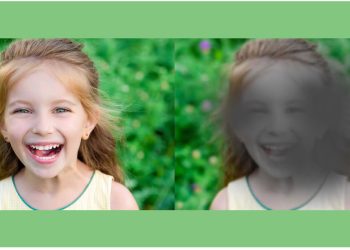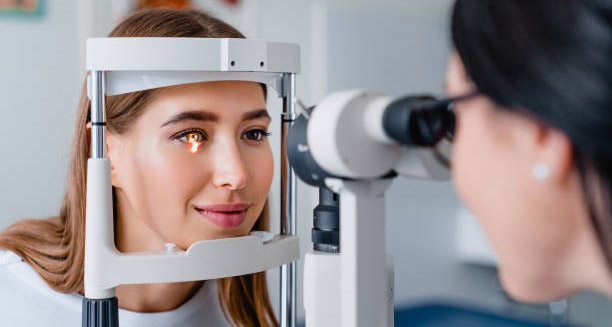

Diagnosis of lazy eye, or amblyopia, involves a detailed assessment of vision to identify reduced acuity in one eye that cannot be explained by any structural abnormality.
Since lazy eye usually starts quietly in early childhood, regular vision checks are very important. These checks help find the problem early, before lasting damage happens. The earlier the diagnosis of lazy eye, the better the chances of full recovery. Ideally, doctors should diagnose it before a child turns seven. Starting treatment early gives the best results.
Eye doctors begin with a full eye check. An optometrist or ophthalmologist handles this. They test each eye one at a time, using tools suited to the child’s age. If the child is too young to read letters, the doctor may use pictures, shapes, or simple games. These help test how clearly the child sees. A big difference in sight between the eyes often leads to more testing.
One key step in the diagnosis of lazy eye is checking for refractive errors. These include nearsightedness, farsightedness, or astigmatism. Doctors perform a refraction test to find out what lens power each eye needs. To get a correct result, they may first put in special drops. These drops, called cycloplegic drops, relax the eye muscles so the focusing effort doesn’t get in the way.
Often, amblyopia results from anisometropia. This means each eye has a very different refractive error. Even when both eyes look healthy, the brain may choose the clearer image. It then ignores the blurrier one. Finding and fixing this imbalance is key to recovery.
Eye movement and binocular testing in the diagnosis of lazy eye
If the eyes seem out of line, doctors run more tests. One common test is the cover-uncover test. The doctor covers one eye and watches how the other moves. Any drifting shows a possible misalignment. This helps find strabismus, another cause of lazy eye.
Doctors also test how well both eyes work as a team. Lazy eye can make this teamwork weaker. So, they use binocular vision tests. These might include depth tests using 3D pictures or glasses. If a child has poor depth vision, it supports the diagnosis of lazy eye.
Sometimes, doctors check the structure of the eye. They may use a slit-lamp or look closely at the retina. This helps rule out problems like cataracts or scarring. If something blocks light from entering the eye, it can cause deprivation amblyopia. These cases usually need surgery fast to fix the problem.
Doctors also check how the pupils react to light and if both eyes follow objects smoothly. If one eye moves slowly or oddly, it could show an issue with visual signals reaching the brain.
Early detection and special tests for diagnosis of lazy eye
Most children only get formal vision tests after showing signs. But now, more schools and nurseries check vision early—between ages three and five. Even so, parents must stay alert. If there’s a family history of lazy eye, strabismus, or strong prescriptions, kids should get checked even earlier.
Diagnosing lazy eye in babies is harder but still doable. Parents or doctors might notice poor tracking or the baby turning one eye often. In those cases, the child should see a pediatric eye doctor. Doctors may use special tools like Teller acuity cards. These measure which eye the baby prefers, even before the baby can speak.
In rare cases, doctors may use brain scans. They do this if nothing in the eye seems wrong but vision is still poor. This helps rule out brain or nerve problems like tumors or optic nerve issues.
Summary and treatment planning after diagnosis of lazy eye
After confirming amblyopia, the doctor decides what type it is—strabismic, refractive, or deprivation. They also mark how bad it is—mild, moderate, or severe. This helps choose the right treatment. The child’s visual sharpness is then tracked over time to see how well treatment works and if it needs changes.
To sum up, the diagnosis of lazy eye means testing how sharp the vision is, checking for glasses needs, looking at how the eyes line up, and ruling out any hidden eye damage. Even though lazy eye often comes with no signs, spotting it early and checking carefully gives the best chance of saving sight. With proper care, most children with amblyopia can see much better and live without vision problems.