Mental Matters

Mental Matters

  • Health & Wellness
  • Mental Health
  • Live Better
  • Directory
  • Articles & Guides
  • Advertise
  • Blog
  • Fields
  • Health & Wellness
  • Mental Health
  • Live Better
  • Directory
  • Articles & Guides
  • Advertise
  • Blog
  • Fields
  • Health & Wellness
  • Mental Health
  • Live Better
  • Directory
  • Articles & Guides
  • Advertise
  • Blog
  • Fields
  • Health & Wellness
  • Mental Health
  • Live Better
  • Directory
  • Articles & Guides
  • Advertise
  • Blog
  • Fields

Dislocated Shoulder

Distressed man holding his face while a healthcare professional provides support

A patient in visible discomfort is comforted by a medical professional, reflecting the pain and distress often caused by a dislocated shoulder.

Dislocated Shoulder

A dislocated shoulder occurs when the upper arm bone (humerus) pops out of the shoulder socket (glenoid). It is one of the most common joint dislocations seen in both sports injuries and everyday accidents. A dislocated shoulder can happen in many ways—from falling onto an outstretched arm to receiving a heavy blow during contact sports. It often results in sudden, severe pain and visible shoulder deformity.

The shoulder is the body’s most mobile joint, which also makes it the most unstable. Its wide range of motion means that even a minor force applied in the wrong direction can push the ball of the joint out of its socket. Most injuries are anterior, meaning the bone moves forward out of the joint. Less commonly, the shoulder can dislocate backwards or downwards, depending on the type of trauma.

Once dislocated, it may swell quickly and become very painful. Moving the arm becomes extremely difficult, and numbness, tingling, or weakness may spread down the arm. The dislocation often stretches or tears surrounding ligaments and tendons, increasing the risk of future instability or further injury.

Dislocated Shoulder

In South Africa, dislocated shoulder injuries are regularly seen in rugby, mountain biking, trail running, and mining-related accidents. Delayed treatment or repeated dislocations can lead to chronic shoulder instability, making early care vital. In areas with limited orthopaedic services, this can sometimes delay proper reduction and rehabilitation.

Internationally, shoulder dislocations are common in both athletic and non-athletic populations. Older adults may experience them from simple falls, while young people more often dislocate their joints during high-speed or contact activities. Once a shoulder has dislocated, there’s a higher risk it will happen again, especially without proper rehabilitation.

Understanding the nature of the injury, how to manage it, and how to prevent recurrence is essential for long-term shoulder health.

[Next: Causes of Dislocated Shoulder →]
Symptoms of Dislocated Kneecap
Diagnosis of Dislocated Kneecap
Causes of Dislocated Kneecap
Treatment of Dislocated Kneecap

Related Posts

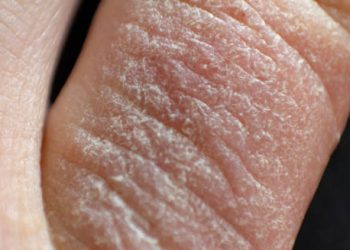
Dry, cracked skin on the hand indicating possible discoid eczema flare-up
Discoid Eczema

Causes of Discoid Eczema

July 2, 2025

Causes of Discoid Eczema The causes of discoid eczema are not fully...

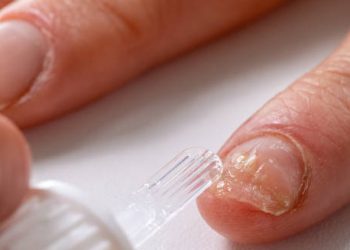
Treatment of Fungal Nail Infection
Fungal Nail Infection

Treatment of Fungal Nail Infection

July 2, 2025

Treatment of Fungal Nail Infection The treatment of fungal nail infection can...

Mental Matters

Facebook Instagram

Your Weekly Dose of Mental Health Support
– Straight to Your Inbox

  • Your journey to better mental health starts here—with expert insights and helpful resources delivered weekly.


© 2025 Mental Matters. All rights reserved. The content on this website is intended for informational purposes only and does not constitute medical advice, diagnosis, or treatment. Please consult a qualified health professional for any medical concerns.

Quick Links

  • Directory

  • Advertise

  • Conditions

  • Real Talk

  • Eating Disorders

  • Depressed

  • Autism

  • Community

  • Resources

About

  • Get In Touch

  • Home

  • Privacy Policy

  • Suicide Prevention Support

  • Terms & Conditions

© 2025 Mental Matters. All rights reserved.

No Result
View All Result
  • Health & Wellness
  • Mental Health
  • Live Better
  • Directory
  • Articles & Guides
  • Advertise
  • Blog
  • Fields

© MENTAL MATTERS 2024