
Earwax Build-up
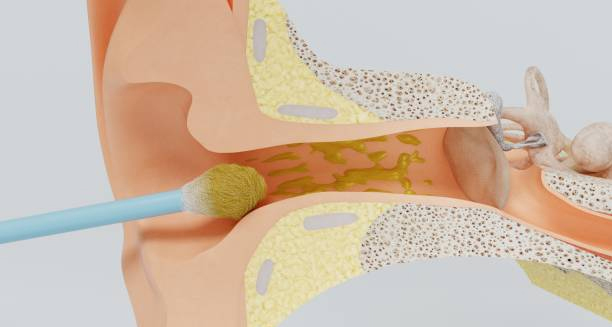
Earwax build-up is a common condition that occurs when cerumen (earwax) accumulates in the ear canal and hardens over time. Although earwax plays a protective role by trapping dust, bacteria, and debris, too much can lead to blockages. Earwax build-up can cause discomfort, hearing loss, and even infection if not addressed correctly.
The ear is usually self-cleaning. Movement of the jaw through talking or chewing helps push wax out of the canal naturally. However, in some cases, the wax becomes impacted—meaning it hardens and cannot exit on its own. This is often caused by using cotton buds, which push the wax deeper into the ear.
Symptoms of build-up include a sensation of fullness in the ear, muffled hearing, itchiness, dizziness, or even ringing in the ear (tinnitus). Some people may also experience earache or discharge. In children, it may present as difficulty hearing or irritability.
Earwax build-up is more common in people who:
Use hearing aids or earplugs frequently
Have narrow or curved ear canals
Produce naturally dry or hard wax
Clean their ears aggressively
Are elderly, as wax production can change with age
Earwax Build-up
In South Africa, many people still rely on traditional or unsafe methods to remove earwax—such as inserting matchsticks, feathers, or cotton buds. These habits increase the risk of pushing wax further in, damaging the eardrum, or causing infection. Public education around ear health remains vital.
While minor wax build-up may not cause symptoms, more severe cases can interfere with daily life. It’s important to recognise the signs early and seek safe, appropriate treatment. Avoiding home remedies that involve inserting objects into the ear is the first step in preventing further complications.
Understanding earwax build-up and how to manage it correctly can help protect hearing, reduce discomfort, and prevent unnecessary medical issues.
[Next: Causes of Earwax Build-up →]