Mental Matters

Mental Matters

  • Health & Wellness
  • Mental Health
  • Live Better
  • Directory
  • Articles & Guides
  • Advertise
  • Blog
  • Fields
  • Health & Wellness
  • Mental Health
  • Live Better
  • Directory
  • Articles & Guides
  • Advertise
  • Blog
  • Fields
  • Health & Wellness
  • Mental Health
  • Live Better
  • Directory
  • Articles & Guides
  • Advertise
  • Blog
  • Fields
  • Health & Wellness
  • Mental Health
  • Live Better
  • Directory
  • Articles & Guides
  • Advertise
  • Blog
  • Fields

Food Allergy

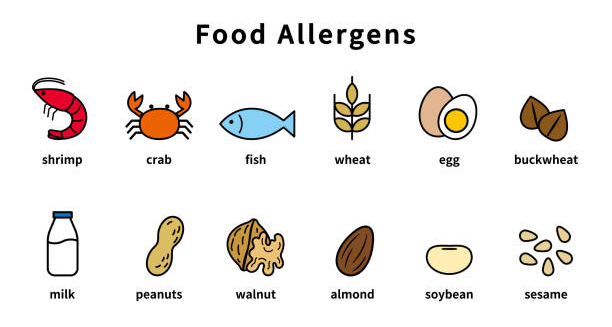
Common food allergens illustrated with icons

A visual representation of common food allergens including shrimp, crab, milk, eggs, peanuts, and more

Food Allergy

A food allergy occurs when the immune system reacts abnormally to a particular kind. Treating it as a harmful substance. This allergy can cause symptoms ranging from mild discomfort to life-threatening anaphylaxis. Unlike intolerance, which does not involve the immune system, an allergy like this can trigger a rapid, potentially dangerous response, even with tiny amounts of the allergen.

These allergies are increasingly common in children and adults, affecting millions of people worldwide. Common allergenic foods include milk, eggs, peanuts, tree nuts, fish, shellfish, soy, and wheat. Some people outgrow their allergies, while others retain them for life.

The body responds to allergens by producing antibodies called immunoglobulin E (IgE). When exposed to the allergen again, the immune system releases chemicals like histamine, causing allergic symptoms. These can affect the skin, respiratory system, digestive tract, or heart.

Food Allergy

Because a food allergy can be life-threatening, it requires strict avoidance of triggers, accurate diagnosis, and immediate access to emergency medication like adrenaline (epinephrine) auto-injectors. Education and support are crucial for those managing and for those around them, including schools and food service providers.

Living with Food Allergies

Managing a food allergy means more than avoiding certain foods—it requires daily vigilance and careful planning. Reading food labels, asking about ingredients when dining out, and informing caregivers or schools are all necessary steps. Carrying an epinephrine auto-injector at all times is crucial for those at risk of severe reactions. Emotional support and education also play an important role, especially for children and families learning to navigate the challenges of allergy management while maintaining a balanced lifestyle.

[Next: Causes of Food Allergy →]

Anaphylaxis
Complications of Anaphylaxis
Diagnosis of Anaphylaxis
Treatment for Anaphylaxis

Related Posts

Complications of Knee Cartilage Damage
Health Conditions

Complications of Knee Cartilage Damage

August 4, 2025

Complications of knee cartilage damage can have long-lasting effects on mobility, joint...

Doctor holding suppository for haemorrhoid treatment
Haemorrhoids

Treatment of Haemorrhoids

July 17, 2025

Treatment of Haemorrhoids The treatment of haemorrhoids depends on their severity, type,...

Mental Matters

Facebook Instagram

Your Weekly Dose of Mental Health Support
– Straight to Your Inbox

  • Your journey to better mental health starts here—with expert insights and helpful resources delivered weekly.


© 2025 Mental Matters. All rights reserved. The content on this website is intended for informational purposes only and does not constitute medical advice, diagnosis, or treatment. Please consult a qualified health professional for any medical concerns.

Quick Links

  • Directory

  • Advertise

  • Conditions

  • Real Talk

  • Eating Disorders

  • Depressed

  • Autism

  • Community

  • Resources

About

  • Get In Touch

  • Home

  • Privacy Policy

  • Suicide Prevention Support

  • Terms & Conditions

© 2025 Mental Matters. All rights reserved.

No Result
View All Result
  • Health & Wellness
  • Mental Health
  • Live Better
  • Directory
  • Articles & Guides
  • Advertise
  • Blog
  • Fields

© MENTAL MATTERS 2024