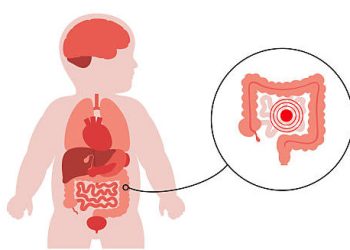

Here are answers to some of the most frequently asked questions about gallstones. Whether you’re managing the condition or simply want to learn more, this FAQ provides clear, practical insights.
1. Can gallstones go away on their own?
In many cases, gallstones remain “silent” and cause no problems. These do not need treatment. However, once symptoms appear, the stones typically do not go away without medical intervention.
2. What foods should I avoid if I have gallstones?
Fatty, fried, and processed foods can trigger gallbladder attacks. Try to limit red meat, full-fat dairy, and baked goods made with hydrogenated oils. A high-fibre, low-fat diet is ideal.
3. Is surgery the only treatment?
Not always. If gallstones aren’t causing symptoms, your doctor may recommend monitoring rather than surgery. However, if you’re experiencing recurring pain or complications, gallbladder removal (cholecystectomy) is often the most effective treatment.
4. Can I live a normal life without a gallbladder?
Yes. Many people live healthy lives without a gallbladder. You might need to make small adjustments to your diet, especially immediately after surgery, but long-term effects are usually minimal.
5. Are gallstones more common in certain people?
Yes. Women, particularly those over 40, people who are overweight, pregnant, or have a family history of gallstones are at higher risk. Rapid weight loss and certain medications can also increase your risk.
6. Can gallstones cause long-term damage?
If left untreated, gallstones can lead to complications like inflammation, infections, or pancreatitis, which can be serious. Early diagnosis and management are key.
7. How are gallstones diagnosed?
A simple abdominal ultrasound is the most common and effective way to detect gallstones. Sometimes, additional tests like CT scans, blood tests, or MRCP may be used.
👉 Missed an article in the series? You can catch up here:
- What Are Gallstones?
- Recognising the Symptoms of Gallstones
- What Causes Gallstones?
- How Gallstones Are Diagnosed
- Treatment Options for Gallstones
- Gallstones: What You Can Do to Lower Your Risk
Reviewed April 2025. Always consult a professional for individual guidance.