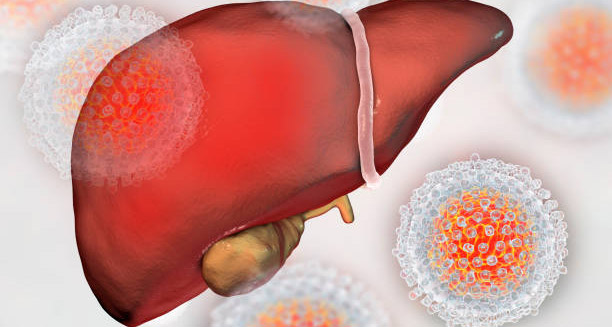

Hepatitis C is a viral infection that primarily affects the liver, causing both acute and chronic inflammation that may progress to cirrhosis, liver failure, or hepatocellular carcinoma if left untreated. Transmitted mainly through blood-to-blood contact, hepatitis C often develops silently, with many people remaining unaware of their infection for years or even decades. Unlike hepatitis A and B, there is no vaccine for hepatitis C, but modern antiviral therapies offer a cure for most individuals.
This infection remains a serious global health issue. Over 58 million people live with chronic hepatitis C virus (HCV) infection worldwide. Each year, around 1.5 million new cases are reported.
The hepatitis C virus is a single-stranded RNA virus from the Flaviviridae family. It has several different genotypes, which vary by region and respond differently to treatment. The most common are genotypes 1, 2, and 3. Genotype 1 is the most widespread and was once the hardest to treat.
A Silent Infection with Serious Consequences
Hepatitis C is often called a “silent” disease because many people don’t show symptoms during the early stages. Only 20–30% of newly infected individuals feel ill, and symptoms—like fatigue, fever, or stomach discomfort—are usually mild. Because of this, many infections are not diagnosed until liver damage is already present.
The virus spreads mainly through blood-to-blood contact. In wealthier countries, the most common way it spreads is through sharing needles or injecting equipment among people who use drugs. However, there are other important ways hepatitis C is transmitted, including:
- Poorly sterilised medical or dental equipment
- Blood transfusions or organ transplants before 1992 (in the UK, before screening began)
- Accidental needlestick injuries among healthcare workers
- Tattoos or piercings done in non-sterile settings
- Transmission from mother to baby during childbirth (less common than hepatitis B)
- Sexual contact, especially among men who have sex with men
It’s important to know that hepatitis C is not spread through casual contact. You cannot get it from hugging, kissing, or sharing food or drinks. However, people living with HCV should take care not to expose others to their blood. This includes covering any wounds and avoiding shared use of razors or toothbrushes.
Chronic Hepatitis C and Global Elimination Goals
One of the biggest dangers of hepatitis C is its slow but serious damage to the liver. Around 75–85% of people who catch the virus develop chronic hepatitis C. This increases their risk of liver scarring (fibrosis), cirrhosis, and even liver cancer. These complications often take 10 to 30 years to appear, depending on things like alcohol use, other infections (like HIV or hepatitis B), obesity, or age at infection.
In response to the growing threat, global health agencies are working to eliminate hepatitis C as a public health problem. The World Health Organization has set bold targets: a 90% drop in new infections and a 65% drop in deaths by 2030. Achieving these goals depends on raising awareness, improving testing, and making sure people can access the direct-acting antiviral (DAA) medicines that now cure over 95% of cases.
In Summary
Hepatitis C is a blood-borne virus that can quietly cause serious liver disease if left untreated. Many people don’t know they are infected until years later. Fortunately, most cases can now be cured with safe and effective medication. Stopping the spread of hepatitis C depends on prevention, early testing, and access to treatment. These steps are essential for protecting individuals and easing the burden on health systems worldwide.