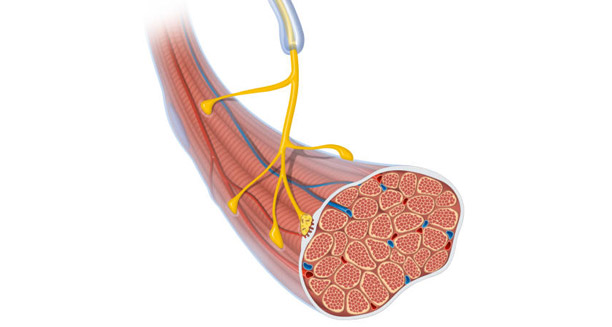

Lambert-Eaton myasthenic syndrome is a rare autoimmune condition that affects the neuromuscular junction—the critical point where nerves communicate with muscles. In individuals with Lambert-Eaton myasthenic syndrome, the immune system mistakenly attacks voltage-gated calcium channels (VGCCs) on the nerve endings. This attack hinders the release of acetylcholine, a neurotransmitter essential for stimulating muscle contraction. As a result, people with the disorder experience progressive muscle weakness and fatigue, particularly in the limbs.
Although rare, the condition has major clinical importance. Around half of all cases occur with small-cell lung cancer. This strong link makes it a typical paraneoplastic syndrome. In the rest of the cases, no cancer is present. These cases appear to be caused purely by an immune system problem. Early diagnosis is essential, not just to manage symptoms but also to find hidden cancer that may not yet show signs.
This disorder affects the presynaptic part of the nerve-muscle junction. That sets it apart from myasthenia gravis, which targets the postsynaptic side. The difference is important, as it changes how doctors diagnose and treat each condition. While both cause muscle weakness, the patterns of weakness and progression differ. This contrast helps doctors tell them apart.
Clinical importance of the overview of Lambert-Eaton myasthenic syndrome
Patients often feel weak in their hips and thighs at first. They may struggle to walk, stand up, or climb stairs. Many also report dry mouth, constipation, trouble with erections, or sweating problems. These symptoms show that the autonomic nervous system may also be involved. In some cases, these symptoms appear before any cancer signs and serve as early warnings.
Because Lambert-Eaton myasthenic syndrome often links to cancer, diagnosing it can lead to the discovery of a hidden tumour. Most often, this is a small-cell lung carcinoma. Detecting cancer early improves both cancer and neuromuscular outcomes. On the other hand, if there’s no cancer, the focus shifts to controlling the immune system and easing symptoms.
Even though it’s serious, Lambert-Eaton myasthenic syndrome is manageable. Better understanding of the disease has led to more accurate tests and improved treatments. With early diagnosis and the right care, many patients feel stronger and live better lives.
This overview of Lambert-Eaton myasthenic syndrome sets the stage for a deeper look at what causes it, how it shows up, how it is diagnosed, and how it is treated. Whether you’re a patient, caregiver, or health professional, knowing more about the condition helps improve care and support.