
Overview of Measles
Measles is a highly contagious viral infection that primarily affects children, although unvaccinated adults can also contract the disease.
What Measles Is and Its Impact
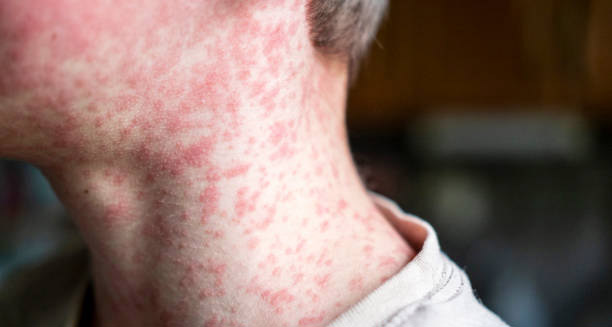
Measles is caused by the measles virus, a member of the Paramyxoviridae family. It is known for its red rash that spreads across the body and a range of respiratory and general symptoms. Even though vaccines exist, measles remains a major global health threat. Outbreaks are most common in areas where vaccination coverage is low or dropping.
Measles is more than a simple childhood illness. It can lead to severe complications such as pneumonia, brain inflammation (encephalitis), blindness, and even death. In developing countries, measles is one of the leading causes of death among young children. The World Health Organization (WHO) reports that outbreaks still happen, even in countries where measles was under control. Vaccine hesitancy and access issues often drive these outbreaks.
How Measles Spreads
The measles virus spreads through respiratory droplets when an infected person coughs or sneezes. The virus can linger in the air or survive on surfaces for up to two hours, making it extremely contagious. About 90% of unvaccinated people exposed to the virus will become infected.
After entering the body, the virus targets the respiratory tract first and then spreads through the bloodstream to other parts of the body. The incubation period lasts about 10 to 14 days, during which infected people may feel well and show no symptoms.
Contagious Period
People with measles can spread the virus a few days before the rash appears and remain contagious for about four days after the rash shows. This makes early detection and isolation vital to prevent transmission, especially in schools, hospitals, and crowded places.
Prevention Through Vaccination
Vaccination is the best way to prevent measles. The MMR vaccine protects against measles, mumps, and rubella. Children usually receive the first dose at 12 months and the second dose at 4 to 6 years. Two doses provide about 97% protection. Immunisation campaigns have lowered measles cases worldwide, but outbreaks can still happen if vaccination rates fall below herd immunity levels.
Immune System Suppression
Measles can weaken the immune system for weeks or months after the infection. This “immune amnesia” erases the body’s memory of past infections, leaving people more vulnerable to other diseases. This makes vaccination even more important.
Diagnosing Measles
Diagnosing measles is usually straightforward when classic symptoms appear. These include fever, cough, red watery eyes (conjunctivitis), and the distinctive rash that starts on the face and spreads downward. Koplik’s spots—tiny white lesions with bluish centers inside the mouth—also help in early detection.
In some cases, lab tests such as blood tests or viral cultures are needed to confirm the diagnosis, especially in early or unusual cases.
Resurgence of Measles
Measles has resurged in recent years. Contributing factors include vaccine misinformation, limited healthcare access in conflict zones, and global travel that spreads the virus quickly. High immunisation coverage—about 95%—is needed to prevent outbreaks and protect people who cannot be vaccinated.
Supportive Care and Recovery
Most people recover from measles within 10 to 14 days. Supportive care is important, particularly for children. This includes staying hydrated, managing fever, and monitoring for secondary infections such as ear infections or pneumonia. Vitamin A supplements can also reduce severity and complications.
Public Health Considerations
Measles is not just a mild rash. It can cause death or long-term problems, especially in infants, pregnant women, and immunocompromised individuals. Severe complications like encephalitis or respiratory failure may require hospitalisation and intensive care.
Outbreaks often highlight gaps in healthcare or immunisation programs. Effective surveillance, quick diagnosis, and outbreak containment are key. Governments, healthcare providers, and community leaders must maintain public confidence in vaccines and ensure access to immunisation.
Summary
Measles remains a serious global health issue despite being preventable. It spreads easily and can lead to severe complications. Maintaining high vaccination coverage, educating communities, and responding quickly to outbreaks are critical to controlling this disease. Recent resurgences show that constant vigilance is essential to protect populations worldwide.