
Outlook for Heavy Periods
The outlook for heavy periods is generally positive, particularly when the condition is identified early and managed with appropriate treatment. Although the experience of heavy menstrual bleeding can be physically draining and emotionally taxing. Most individuals respond well to medical or surgical intervention, and many go on to lead full, active lives without ongoing disruption. With modern treatment options and increased awareness. The outlook for heavy periods continues to improve for people of all ages and backgrounds.
In cases where the cause is functional—such as hormonal imbalance during adolescence or perimenopause—the outlook is especially good. These hormonal fluctuations often settle with time or respond well to low-dose hormonal therapy. Many individuals experience natural regulation of their menstrual cycle as their bodies adjust. Particularly when combined with lifestyle measures such as stress management, exercise, and maintaining a healthy weight.
For those with treatable structural causes, such as fibroids or polyps, outcomes are also encouraging. Minimally invasive procedures—like hysteroscopic resection or endometrial ablation. Can offer long-term relief from symptoms, often without affecting fertility or daily function. When surgery is necessary, advances in laparoscopic and robotic techniques mean quicker recovery times, fewer complications, and better patient satisfaction. For people whose fibroids recur or grow. Follow-up care ensures that the situation can be monitored and addressed before symptoms become severe.
Individuals who choose hormonal treatments, such as oral contraceptives or intrauterine devices (IUDs). Typically, see a significant reduction in menstrual blood loss within a few cycles. Many find that their overall menstrual health improves, with lighter, shorter periods and fewer cramps. For those who also require contraception, these treatments provide dual benefits, further improving quality of life. Compliance and side effect management are key to long-term success. Furthermore, most people adapt well and continue on their chosen therapy for years.
Outlook for Heavy Periods
Even in more challenging cases—such as heavy periods caused by chronic conditions like endometriosis or bleeding disorders. The outlook is often manageable with specialist care. Multidisciplinary teams that include gynaecologists, haematologists, nutritionists, and mental health professionals can offer holistic treatment plans tailored to the individual. Though some cases may require ongoing management, flare-ups and complications can be greatly reduced with consistent care and early intervention.
Another area of optimism lies in the increasing normalisation and visibility of menstrual health issues. As public awareness grows, more individuals feel empowered to seek help sooner. Education campaigns, online resources, and open discussion in schools, workplaces, and healthcare settings have all contributed to a more supportive environment for those experiencing heavy periods. This cultural shift not only leads to earlier diagnoses but also helps reduce the shame, stigma, and silence that once kept so many from accessing care.
One of the main factors that leads to a good outcome for heavy periods is managing iron levels well. When people restore their iron through supplements or food, symptoms like tiredness, dizziness, and shortness of breath usually get better. In addition, bringing iron back helps improve mood, energy, and clear thinking. For those who have dealt with symptoms for years without knowing they were caused by blood loss, this recovery can truly change their lives.
Of course, individual experiences vary, and not every case is resolved quickly or without complication. Some people may try several treatments before finding one that suits them best. Others may require long-term monitoring or revisit treatment plans after life events like pregnancy or menopause. Nevertheless, the overwhelming trend is toward improved outcomes, especially with patient-centred care that respects personal preferences and health goals.
Outlook for Heavy Periods
In the context of fertility, many individuals worry that heavy periods might affect their ability to conceive or carry a pregnancy. In most cases, this concern can be addressed with proper investigation and management. Treating underlying conditions such as fibroids, endometrial abnormalities, or hormone imbalances not only reduces bleeding but also improves the likelihood of successful conception. For those pursuing assisted reproductive technologies, controlling heavy bleeding and stabilising cycles are important preparatory steps.
In older adults approaching menopause, heavy periods may become increasingly irregular before eventually ceasing. While this transition can be disruptive, the end of menstruation often brings relief to those who have dealt with long-term menorrhagia. During this time, clinicians remain vigilant about ruling out more serious causes, such as endometrial hyperplasia or malignancy, but once those are excluded, treatment usually shifts to symptom relief and hormone support.
Economically, the outlook improves too, as effective treatment reduces the need for frequent sanitary product use, sick leave, and costly emergency visits. For some individuals, especially those who previously struggled with work attendance or social participation due to their periods, successful management results in better career progression, improved relationships, and renewed confidence.
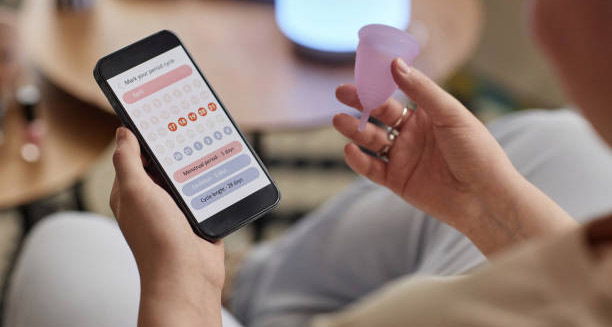
It’s also important to highlight the growing number of digital health tools and wearable technology that can support menstrual health. From smart period trackers to apps that sync with wearable devices and notify users of cyclical changes, individuals now have greater insight into their own patterns. These tools can guide discussions with healthcare providers, improve adherence to treatment, and enhance personal agency over one’s reproductive health.
Outlook for Heavy Periods
In summary, the outlook for heavy periods is increasingly optimistic. With personalised treatment options, improved medical technology, and growing awareness, most individuals can achieve effective control over their symptoms. Whether the cause is hormonal, structural, or idiopathic, modern medicine offers solutions that are less invasive, more effective, and better suited to each person’s goals and lifestyle. The key lies in recognising the symptoms early, seeking appropriate care, and engaging in a collaborative treatment journey with healthcare providers.